

“I’ll do it if you do it.” I cannot count the number of times I have said that or my sibling or friend has said that. People are insecure about acting when there are other people watching them, and there are various sociological theories that relate to this. More importantly, however, is knowing why people do certain things or do not do certain things, and how that connects agenda setting and public policies. Furthermore, media has an impact on people’s lives, and we can look at how media, and violent television in particular, affects people, and therefore affects the public policy.

The documentary, The Human Behavior Experiment, talks about the reasons people do some things and do not do others. The documentary uses the example of authority, and when someone in authority says to do something, people will usually do it even if it seems off or wrong. The documentary also used the example of a study of people on the phone, with one person having an emergency on one end. If the person being studied thought he or she was the only one who was in contact with the person with the emergency, he or she was much more likely to help the person. If however, the people being studied knew they were in a group, they were much less likely to get up and help the person in need on the line. People want to be affirmed. Overall, this documentary helped to show how people respond to certain stimuli.
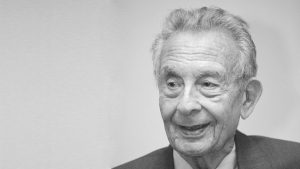
Taking a narrower approach, the documentary, Mean World Syndrome, focuses on the study done by George Gerbner. He wanted to know what was the correlation between violent television and violence in the world. He found, in contrary to what many people think, which is that watching violence on TV leads to committing violent acts, is that watching violence on TV actually changes how people think about the world around them. It is this interpretation of the “meaning of violence,” not the violent act itself. Gerbner found that people who were heavy watcher of violent TV were more likely to be afraid of violent acts happening to them. This theory is called the cultivation theory, and like a garden is cultivated, so is the mind in how people view the world based on their media intake. Another theory relating to this in Mean World Syndrome is the “fish in the water” theory. This has to do with the fact that a fish does not know it is in water because it has always been there. In the same way, we have born into the media and have not been without it.
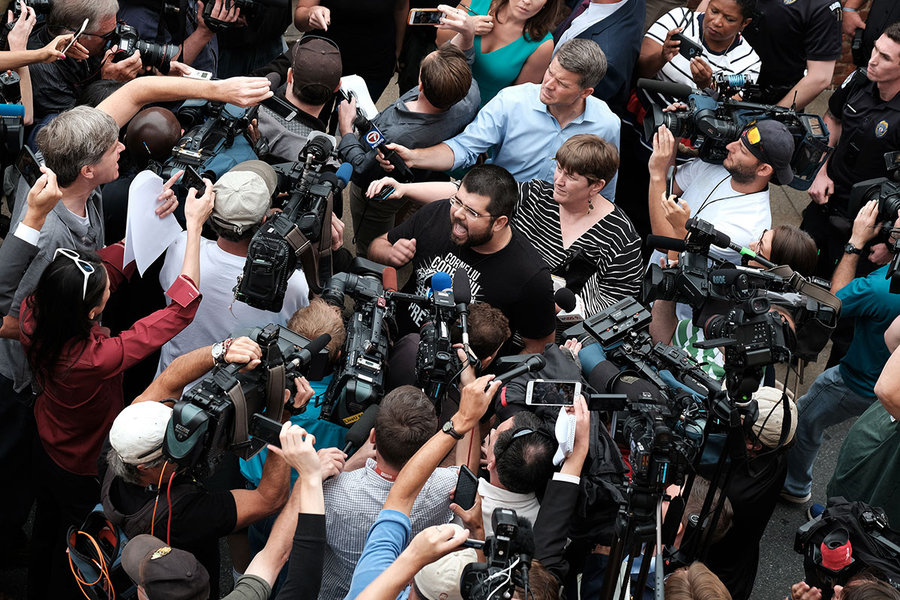
The cultivation theory connects to the agenda setting theory, which measures saliency or importance. The agenda setting theory has to do with the media (or really, politicians) pushing for certain issues in the news, and then because those are the most widely covered issues, people eventually think that they are most important and set the agenda based on this. The government can then set the public policy to match this public agenda that it and the media cultivated in the minds of the people.
What the media says is important, as is how the people interpret it. How does one find a healthy balance between being informed about issues and not being cultivated to believe certain things that are not true? In looking at America today, does the agenda setting theory work? How can we help instill in people the courage to do the right thing even if they stand alone?
 Mass Media and American Life
Good analysis with some good points raised. Would’ve like to learn the authors take on the Human Behavior Experiments video.
LikeLike