
This week we watched the documentary Funny Ladies, which dove into the original female comedians and how they were expected to ‘be funny’ and gain public appreciation. They mostly did this by acting silly and playing down their looks. Iconic comedians such as Lucille Ball, Mary Tyler Moore and Carol Burnett took down stereotypes of needing to look and act a certain way to gain respect as female television comedians. The show, I Love Lucy Lucile Ball starred her as well as her real-life husband, Desi Arnaz who both captured viewers with their comedic take on married life. It was such a hit that it won 5 Emmys during its 6 year span on television. Carol Burnett hosted her own variety show on CBS, The Carol Burnett Show which televised talented guests who did stand-up, sang and re-enacted popular television scenes. She was most known for being humorous and witty, drawing in audience members of all kinds.

Betty White described early comedians as simply “just funny-silly as hell.”
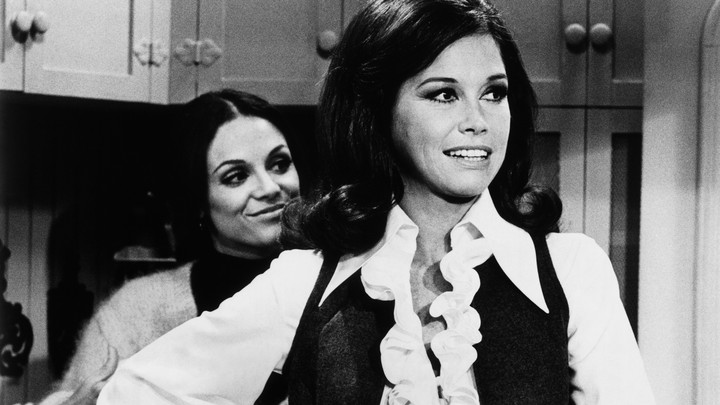
The Mary Tyler Moore show came on later and took an even more progressive approach to comedy from a female perspective. The show’s protagonist, Tyler-Moore supported herself and never really ‘settled down’. She was just funny on her own- as well as hardworking, ambitious and talented at her job as an evening news producer. This targeted female audiences with a strong relatable component as well, breaking gender roles.
We also viewed the episode Hush from the series, Buffy The Vampire Slayer which I found to the plot of to be rather interesting (as well as a little eerie). In the episode, everyone wakes up to find their voices gone- stolen by zombie like creatures. The students need to get creative with their means of communication and even do this with strategically leaving around $10 bills for each other to find. The episode had a lot of screaming, zombies and hidden messages. Overall, I thought it was a really interesting take on an ‘apocalyptic’ plot line.
My question(s) for the class are- How do you think the Coronavirus Pandemic will affect current film and T.V. shows? (If it all). Will a deadly plague be (a little more normalized) and not as scary in the context of a horror film?
 Mass Media and American Life
I seem to think that a plague makes me more scared now than before the covid pandemic. I think its because we’ve seen how fast illnesses get spread, and if there was an illness will a 80% death rate we know exactly how fast it would spread through our country and that is very scary thought.
LikeLike
I think the idea of a plague in movies and T.V. shows will not be shown for awhile. It will be too sensitive of a topic I think but as soon as the corona virus threat is lifted (which who knows when that will be), I can see it being normalized for sure. The topic could be very profitable if done right.
LikeLike
I think we are going to see some lower level production stuff coming out. I think once sets do open up they are just going to try to push anything out to get it on. I think too we’ll see smaller networks will be able to produce more successful shows.
LikeLike
These women set a new standard for women in entertainment. After this women played bigger roles in tv and in movies. Now it is common to see a woman comedian.
LikeLike