Music is Changing

The culture of music has always been a form of expression that I believe has been the world’s official language. Music has entwined cultures while creating long-lasting emotions that no other genre or area can duplicate. Listening to music today from a different era can make the same or almost very similar feeling with an individual from that specific era. Because of the immense relevance music has on society, it has always been a topic for future generations to make some of our favorite songs more accessible.

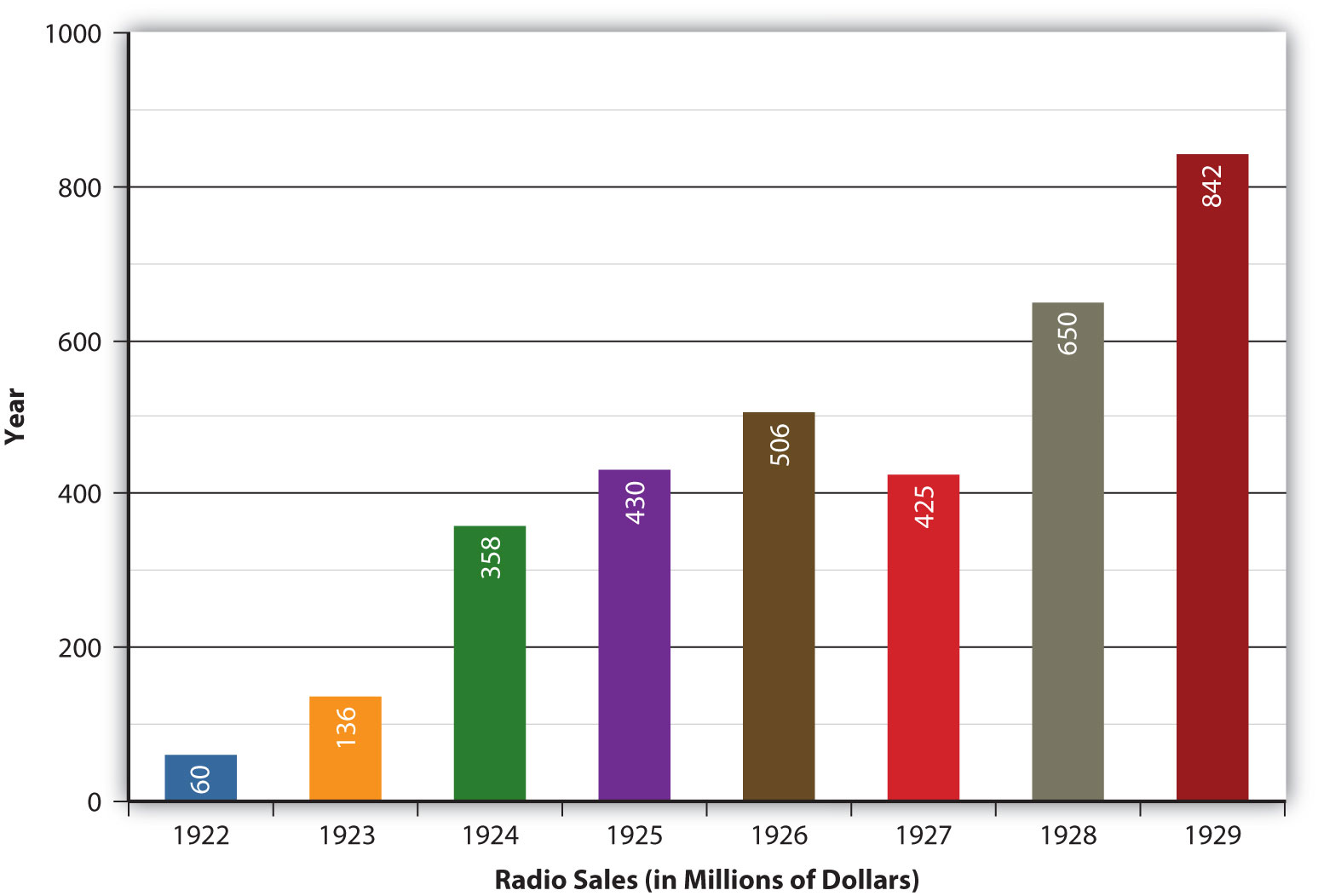
During the 1920s through the 1960s, the radio went through a golden age with a flourished possibility of music and air content through United states homes. Stated “During this time, the number of licensed radio stations in the United States exploded from five in 1921 to over 600 by 1925 (Salmon, 2010).” (218) This new technology opens a world of creativity that modern visionaries used to improve this tool to become better. Airwaves became a form of entertainment in many homes as families began to gather around for new songs, shows, and commercials that many many have never had before.
“The introduction of radio broadcasting provided a valuable link between urban city centers and small, rural towns. Able to transmit music nationwide, rural radio stations broadcasted local music genres that soon gained popularity across the country.” (218)

Once radios became the new normal, innovators shortly after became fascinated with recording music. Recording music allowed for content to be shared throughout worldwide clubs, people, etc. This freedom of music could reach such a broader audience. Popular albums now had an opportunity to be from a different area. And be bought from the recorded store right around the corner, thus increasing traction and sparking albums sales worldwide. While this also adds to the music industry’s value and improved revenue for the creators, producers, and distributors. Unfortunately, something was coming right around the corner to turn the table around.
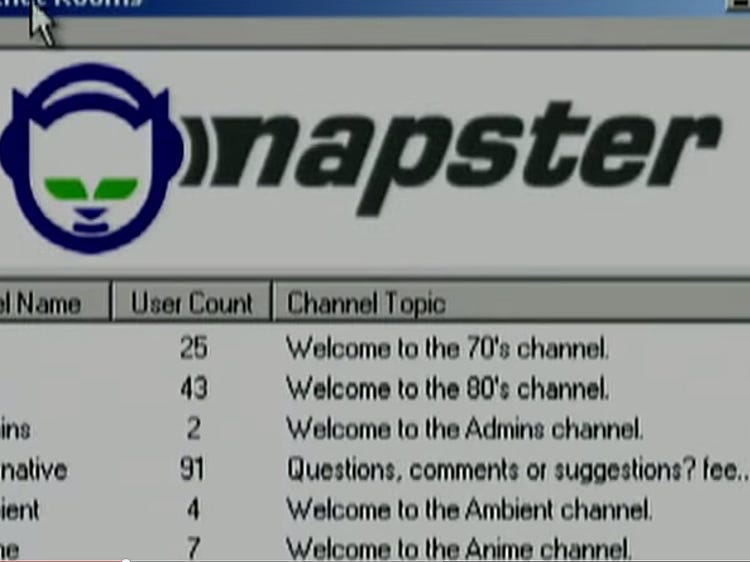
With all the changes happening in the music industry and their monopolization of the creator’s work and revenue, the internet began to level that playing field. Viewed in the screening “Downloaded: Napster documentary,” the internet before Napster was an avenue to stream music but wasn’t as effective. The internet had long loading times and unwired phone lines as there was not director connection between a server to download music and the IP computer. However, The internet with such potential sparked a light in Napster, Shawn Fanning, as he looked at this new technology as a vehicle to allow for downloadable music. In his efforts to make recorders and CDs go out of style, Napster opened a new window downloading and stream music. Napster allowed people to find, search, and download their favorite songs without the hassle of purchasing an entire album or paying the overhead cost of the music industry. Downloading music became the newest form of obtaining music, and there was no way the world was going back.
Personally, the history of music and its changes as technology continues to evolve is sentimental to how I view music today. My family comprises of producers who used tapes, cassettes, vinyl, and digital music to Dj. Because of that, I understood the importance and culture shock Napster has on the Music world. As producers were affected by the available albums, Djs has an easier time collecting and performing their sets. Today, I find the evolution of music something that was going to happen in due time.

Question: How has the streaming of music digitally affect new creators?
Free “Insert Artist Here”

Free Kanye, Free Uzi, Free Tunechi, Free Ski Mask, Free…. I think you get it. The last 20 years have changed music and the way we consumed it but with that change came more corruption within the industry. Artists as of recently have been getting themselves into really bad contracts where they either can’t get off their deal or they do and they lose their masters worth thousands (or even millions) of dollars. Lets back it up for a moment, masters according to HipHopDx.com “…is a term used to refer to the original sound recording copyright of a song. When an artist records a song, he or she is also creating an original sound recording protected under United States copyright law.” This is essential for artists that want to make money off sampling and streaming services but in some contracts artist sign, they aren’t allowed to own their masters that they might want to use in the future if they terminate their contract. 

The most famous example of an artist losing their masters because of a terrible contract is Taylor Swift (and now maybe Kanye??). She has expressed her frustration on Twitter and other social medias a numerous amount of times but as of now she currently doesn’t own a single one of her 6 previous records, that belongs to her (old) label, “ Big Machine Records”. Other examples an artist going through contract disputes is Lil Uzi Vert, an Atlanta rapper who has released some of the most viral songs of the 2010s such as “XO TOUR LIFE”, was in a heated contract dispute for 3 years and during that time had dropped almost nothing because he wanted to get out his contract, the details are unknown about what the feud was about but from 2017-2020 Uzi’s label wouldn’t him drop features with other artists either. At the beginning of this year he was finally set free after begging his label and creating a social media stir with people on twitter creating the #FreeUzi movement to show their support of him. After that he dropped his long-awaited album, Eternal Atake, then he dropped a second album the next week. He didn’t have any industry help from anyone during his promotion for his album and reached the #1 spot by himself.

Labels since then have been called out by young rappers who signed B.S deals at the beginning of their careers because they had no understanding of what was in it before they signed it. As recently as last night Kanye West, one of the most controversial figures in music (and in general), posted a video of himself peeing on a Grammy he won, then proceeded to post his contracts from labels over a series of over 100 tweets, after all of that he had said that signing to a label is “Modern-day slavery”. While he is acting manic, I understand that he is frustrated with his label because they have been conning artists since music streaming became mainstream. These examples are just the tip of the iceberg and within the next year I can guarantee another artist will be put in this situation again because of how the industry works, all they want is money and nothing else. 

One question I want to pass off to you is, do you believe artists should sign to big labels or do you think it’s smarter to go independent and try to create your own following?

Music and Radio

The textbook does a good job about talking about the modern era of the radio and music but what I think it fails to mention is how music influence humans before the 19th century. It’s crazy to me that there is only one chapter on music seeing how it was so influential throughout human history. Music brought people together, it connected people and created societies. The lack of that in the textbook I think is a huge oversight. Music celebrated life and festivals and happiness for centuries. Religion and Cultures were built around music and I feel like it deservers more time.

What is the oldest known piece of music? - HISTORY

What I like that the textbook did was broke up the times and showed the evolution of music through the 20th century. It starts with the modern technology that emerged in the late 1800s that helps distribute mass music and connect people on a bigger scale. This part also flows into the next chapter about radios and really ties the two together. Music has always been a way for people to express themselves and that reflects what the chapter talks about in the race and gender. Like I said before music is part of culture and has been for a long time.

Downloaded was pretty interesting to watch about how fast the music world can change. It went from only live to having a a radio and record player to downloading music to now which we can listen to to music off an app. This just shows how connected people are to their music and want the easiest access they can.

Spotify now lets you watch podcasts as well as listen to them | TechHive
Marketing Music on Pandora | Music ConsultantApple Music: Our Complete Guide

On to Radio, I really likes the Frazer episode we watched. I thought it was funny how fake a person can be over the radio. As funny as it was it did also point out that radio was a major form of entrainment for a long time. They allowed stories to be reached to wider audiences and voices that before weren’t heard could now be heard. Of course all of that is on top of bosting music consumption.

My question for the class is how did Music influence your life? What kind of music do you listen to and why do you think you listen to it?

The Power of Music

Music brings a vast array of emotions, actions and mental thought. Their is power in music and in the 21st century in which we live in, that statement becomes even realer. Our advances in technology have proven that words, sounds and rhythms can cause someone to change. Music for me has always been something that I needed to spark certain emotions, I’ve been an athlete for my entire college career and pregame music provides an energy boost for me. I have an emotional attachment to some songs in which help fuel my in-game performance so in a way you can say that my actions are persuaded by music.

Everybody has emotions and different ways of coping to different scenarios. Music can cause sadness , create anger, bring joy and etc. Listening to music can make you feel more relaxed, but in some cultures, it’s actually used to ease pain. Science all but confirms that humans are hard-wired to respond to music. Studies also suggest that someday music may even help patients heal from Parkinson’s disease or a stroke.

In the 21st century music has broaden and reached great elevations. The development of new musical technology can accredit to that.

Some questions to spark discussion:

How will music be different or altered 10 years from now? With every decade that past, music has shown great changes.

What genre of music would you say gives you “power”?

Do you feel that music doesn’t alter emotions? Why?

How the 20th Century Changed Communications

The 20th Century was responsible for a lot of things, but with media it started with the radio. The first commercial radio station was established in 1920. When you think about families huddled around the radio listening to music, a radio play such as the one we saw in Frasier or a comedy show, it brings warm feelings to think about a family time listening to that radio instead of a group of people sitting the at the dinner table with devices in hand. Everyone is in their own little word and no one is talking or laughing together.

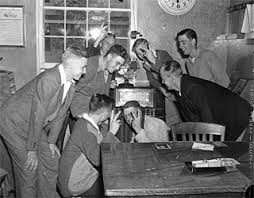
Group gathered around office radio, VJ Day, 1945. | Minnesota Historical  Society
family huddled around a radio

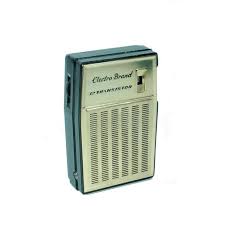
The post war prevalence of radio hugely impacted popular music. Radio airplay of popular songs helped promote record sales. The thirties saw the rise of jazz and blues, vaudeville and ragtime. Rhythm and blues laid the groundwork for rock and roll. Popular music diversified in the 1960s and brought about folk and soul music. Ten years later we had disco and punk. Hip-hop dominated the 1980s and pop became successful in the 90’s and 2000’s. In a period of 80 years over a dozen music genres emerged largely thanks to the radio. That radio evolved from a small box that you plug into the wall to a transistor that you carry around. It further evolved into multiple bands such AM and FM were there are more specialized stations then later to satellite radio where one can find increasingly specialized stations where one can listen to information about one’s sport team or one singer such as Frank Sinatra.

Vintage Electro Brand 12 Transistor Radio Gold and Black
Transistor radio

The radio pushed music into the forefront of world culture. Whole industries began to form around music. There was a relationship between culture and music with music influencing youth culture, migration and racial integration. Record labels began to form and records evolved from 78s to 45s to LPs and from vinyl to tape. Bands and singers became successful overnight and made hundreds of millions of dollars.

This all came tumbling down with the creation of Napster.

RCA Victor Phonograph

With the advent of the computer and the ability to digitize music, people could swap music from one hard drive or MP3s to another hard drive thus by passing the record company and copyright laws. Eighteen year old Sean Fanning changed the world with his discovery of Napster, a pioneering peer-to-peer file sharing internet software that utilized digital audio files. With this discovery, he threatened to bring the music industry to it’s heels. This now multi-billion dollar industry was not about to let some 18 year old pull the rug out from under them. Lawsuit after lawsuit was filed and copyright lawyers had a field day. How they asked can Napster bypass the copyright laws? The company that was changing how we listen to music in two short years would be dead. Though the sharing of music through audio songs encoded in MP3 format was not permissible, the digitization of music allowed for a revolution in the music industry leading to new forms of purchasing music such as through iTunes or listening to whatever one wanted listen to with Pandora or Spotify.

How the music industry shifted from Napster to Spotify — Quartz
The "Ultimate" Driving Music Service is Now Powered by Napster

In short 80 years it is remarkable to think about the revolution that happened in music. Today we walk around with are airpods stuck in our ears listening to music throughout the day whether it’s doing our homework or eating are dinner. It is hard to imagine a family huddled around the radio waiting for their favorite program or music show. It is also hard to imagine where music would be without the radio or the ability to digitize the songs. Music is such an integral part of our lives — it influences so many aspects of our culture — and the ability to listen to any song you want at any time of day would likely not happen without the discoveries of radio and Napster.

The Changing Tones of Music

Music is always changing and always evolving from one generation to the next. One type of music that is popular one year might completely change the next. Music is one of the only things in history that can accurately depict when a new generation has formed or a new era has taken hold. Today I listen to R&B, story book rap, with a little punk rock that is making a comeback actually. But I think in today’s world it is really accepted to like all kinds of music from all sorts of generations. Many younger generations today compared to older ones like to listen to music live at concerts or through pod casts that have events. This is very different from years past because sometimes artists didn’t have to do tours to make a living, but their survival is dependent on this revenue stream.

A common theme of history when it comes to music is that most of it has been stolen from Black culture and the music they created. Elvis one of the most famous white musical artists was one of the biggest thief of black culture that he made his own.

This sort of stealing of black culture has been very common especially in today’s music that sees a lot of white artists that use black melody and tones to create a new type a music. Black music expresses pain, sadness, struggle, and transition which is a exact replica of how black life is in the world.

Do you think that music should be appropriated to whomever designed the music? What is your favorite songs and albums from African American artists?

Is Music a Generational Thing?

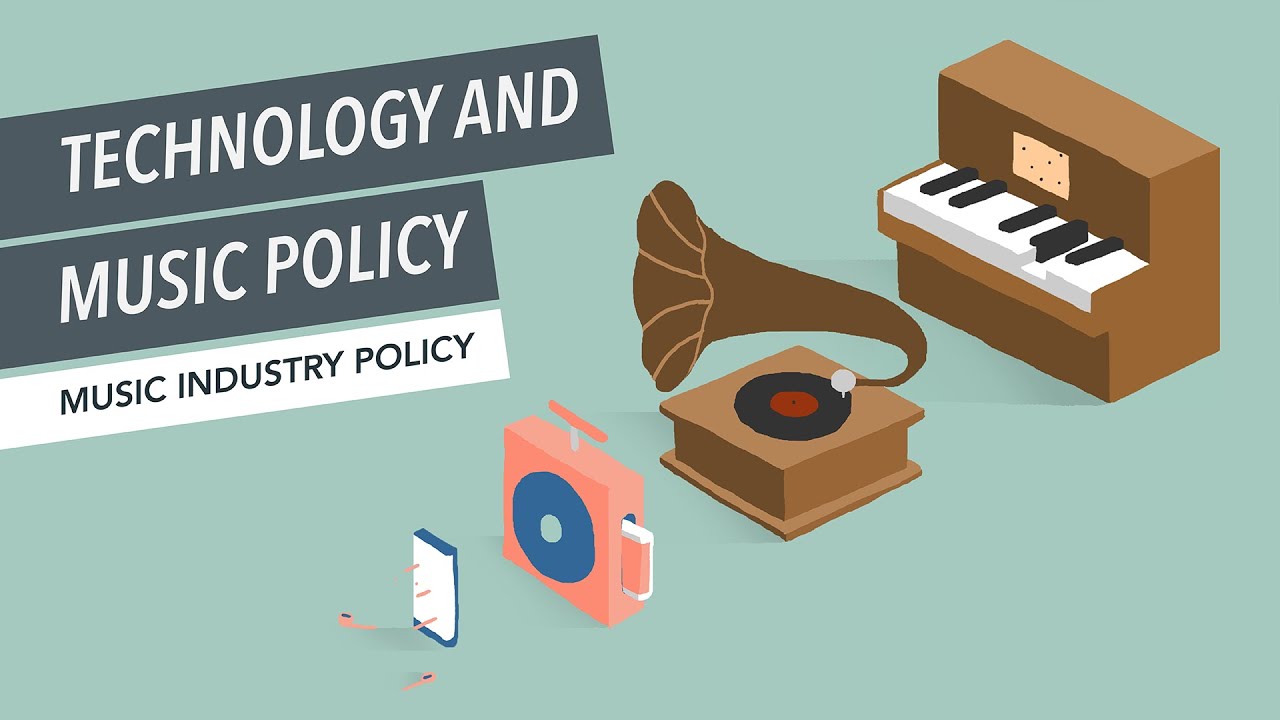
The Evolution of Music Policy and Technology | Casey Rae | Music Business |  Berklee Online - YouTube

Music is one of those things that always show the gap between generations just by the music people listen to or have listened to in the past. You just tend to see people that are in the late Baby Boomers, and the gen X generations tend to listen to music that was made in the time when they were growing up. Music like classic rock and roll, Summer of love, and Classic Soul this is the music they grew up with and still listen to till this day. Then fast forward to the millennial generation you see different types of rock like pop rock, blues rock, alternative rock, and punk rock that’s just a few. There are also a lot of millennials that listen to electronic music seen at many different music festivals around the world. Millennials are also known for being the first generation to start consuming music online by downloading it off the web on websites like Napster which we will talk about a little later. Then you finally get to Generation Z which we most of us in this class are in. Generation Z is a big Hip hop rap generation, a lot of us listen to rap and some people listen to mix taps and small-time rappers on apps like Sound cloud, and Spinrilla. There are also a large group of gen Zs that do listen to country and different types of rock. One thing to make sure not to forget I am genializing and there are people in different generations that listen to music from many different time periods. With saying that there is undeniably is generation gap with music as a whole, every generation looks at the newest generation’s music in a negative light. Mostly because they don’t understand but that’s the beautiful thing about music is everyone has their own taste but that’s okay it should be an outlet for people to express themselves.

Napster turns 20: How it changed the music industry - BBC Culture

One of the most interesting times in music was the Napster file sharing. Napster was an online service founded in 1999, which was a website where people could file share their music to people around the world kind of like a social media. This was very troubling to the music industry because people where no longer buying music they were just downloading it off the internet for free from Napster. A lot of music artists lost a lot of money do to this free downloading the estimated lose is more than 50 million dollars. I wasn’t old enough to remember the time of Napster do to the fact that I was only 3 years old when it was popular. But the gen z kids had their turn that downloading music in the early 2010s on our iPods. I remember having friends that wouldn’t update their phone for the longest time because they would lose all their free music. What do you think, should we be downloading music for free? Did you ever download music as a kid? What do you think of Napster, should they of shut them down or should they of had the chase to change?                 


Music: A Bonding Force and the Issue of Digitization

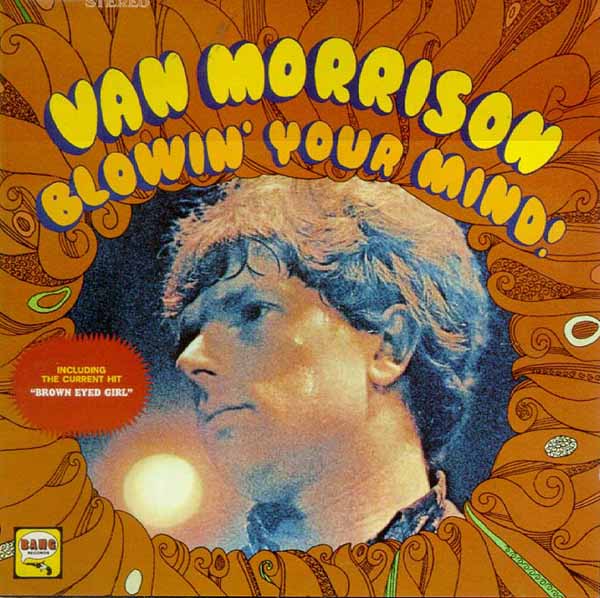
Brown Eyed Girl: A poplar song of the ages

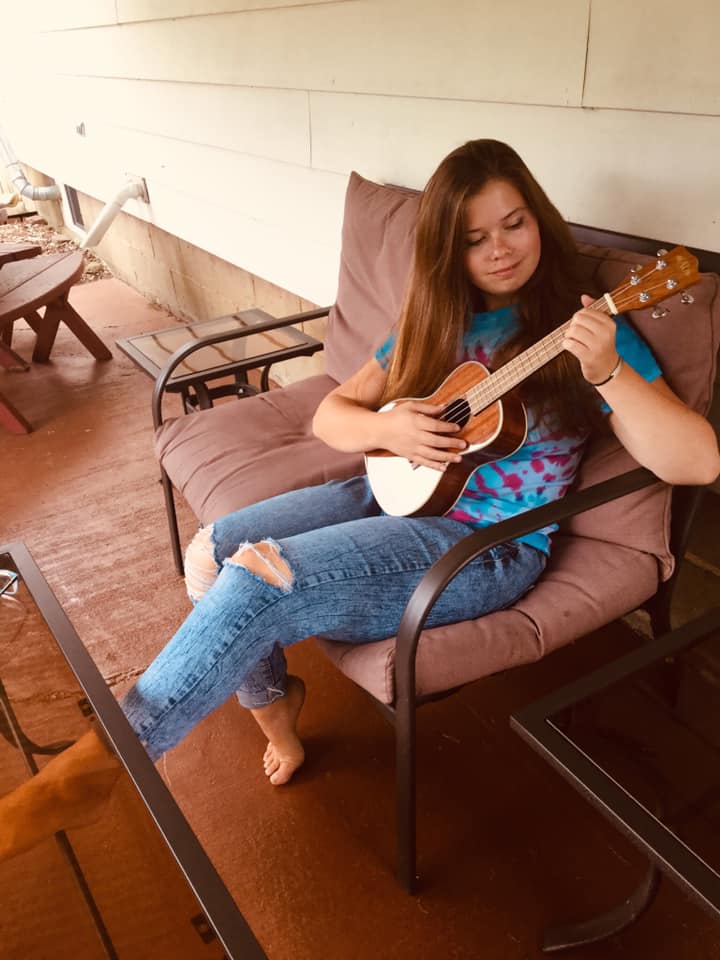
My fingers pluck the strings of my ukulele, and the popular Van Morrison song floats out.

“That’s “Brown Eyed Girl,” my middle-aged neighbor comments as recognition crosses his face.

               “Yep,” I smile. “We were listening to the Oldies station at work, and I thought this one would be a good one for my uke.”

               “The Oldies station?  Man—70s and 80s songs being on the Oldies station.  That’s crazy.”

               This conversation I had with my neighbor helps to demonstrate the fact that music spans time, ages, and cultures.  Music is magic.  You can listen to a song over and over and it does not get old, and I can enjoy the same music that my neighbor did when he was a kid.  Understanding Media and Culture goes through the history of music in Chapter 6.  Along with different genres of music is how it has morphed in the way it has expanded to people.  Again, the reason for this change, like with most forms of mass media, is due to the introduction of technology.  Digitizing music completely changed the game.  The question becomes then, how does one make music easily accessible to the public but also allow for the artists and music industry to make a living?  How do artists combat piracy when it is so common?

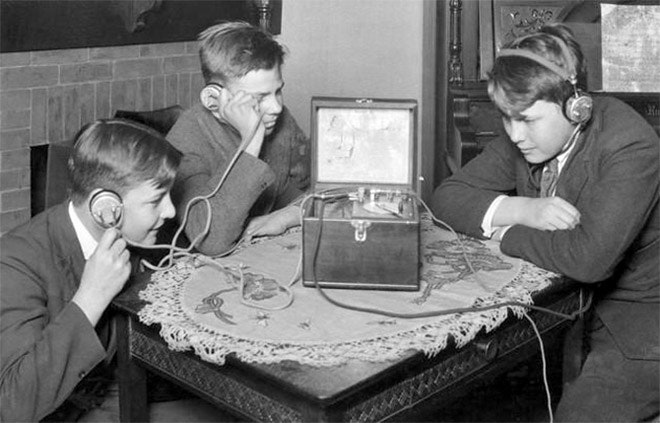
Boys listening to the radio in the 1920s

               Understanding Media and Culture says that, “In 1877, Edison discovered that sound could be reproduced using a strip of tinfoil wrapped around a rotating metal cylinder…” (214).  His invention led to the gramophone, “which used flat discs to record sound” (214).  Eventually, radio was developed.  The textbook says that, “Radio was an affordable medium that enabled listeners to experience events as they took place… This development was a threat to the entire recording industry, which began to campaign for, and was ultimately granted, the right to collect license fees from broadcasters” (216).

               The introduction of radio is where we first see this idea of “free” music, and if you fast forward several decades, the same sort of problem occurred with the introduction of Napster.  The documentary, Downloaded, tells the story of Napster.  Basically, Napster was the inspiration for the streaming sites of today, and it made it so that people should get online and share whatever music they had with their friends, and they could download whatever they wanted.   Unfortunately, it led to a lot of pirating of music.  Though some artists were boosted in popularity by people being able to listen to their songs for free, other established bands were losing a ton of money because of it.  Chris Blackwell says in Downloaded that, “This is the first time technology actually attacked the existing system and started to take it away.” Napster had to go to court, and even though the company was shut down, it inspired streaming sites like Apple Music and Spotify who have the same concept as Napster, but they are able to do everything legally and artists still get paid for their work.

Teens listening to music

               Everyone agrees that music is meant to be shared and enjoyed by all, but the question is, how can we do that in a way that benefits all involved—the artists, the music industry, and the public?  What can citizens do to encourage artists in making music, and how can we discourage piracy?

Me playing my ukulele

The Roll of Radio & Music

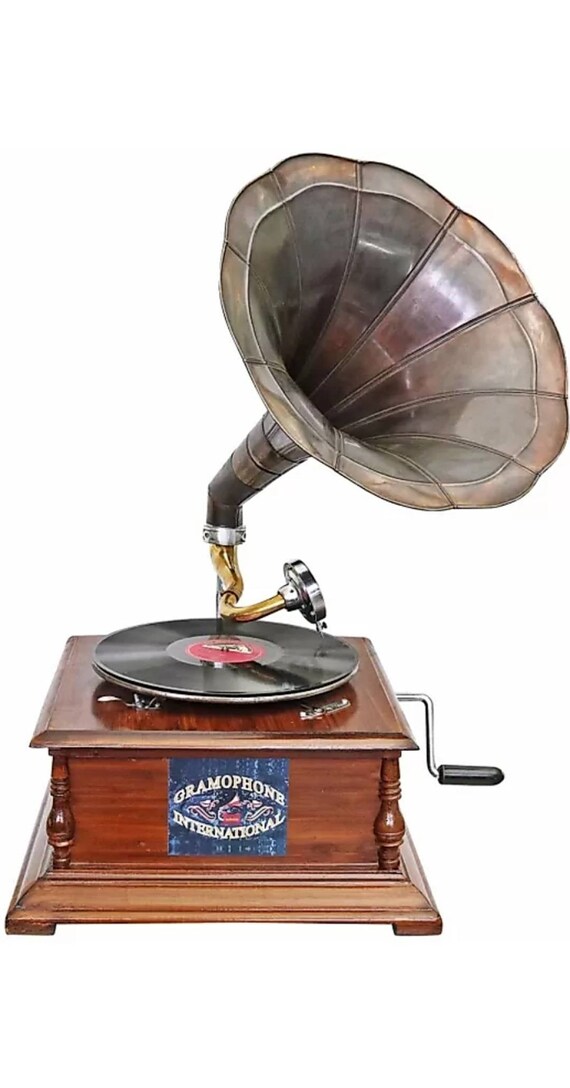
Buy Vintage Gramophone Online an Antique His Master Voice HMV | Etsy
This is a vintage gramophone.

Since the start of music, technology has played a huge role in production. As we all know there are many types of music, the two that resonate with me the most are classical and popular music. There are many differences in the industry that tell the two apart. Artists in the classical industry are known for their unique style, which makes them stick out from other classical artists. The way that popular artists portray music is to catch the eye of the audience. If their audience is my generation they want to produce music that stays in our heads and something we want to listen to all the time. In the late 19th century there was a wide spread of production and sound. This came from the invention of the phonograph and the gramophone. These were flat discs that recorded sound which were available to the middle class because of how cheap they were to purchase. Technology has made the music industry grow because of the way we interpret media in our society.

What You May Have Missed From Cardi B's Rodeo Houston Performance –  Solcieti Houston
Cardi b performing on stage at one of concerts. She has a very unique style.

Most people in our generation have access to technology and can listen to many different kinds of songs and genres. Being around music for the last 20 years I have seen the cultural influence it has made. One influence that stuck out to me is the youth culture. Seeing both of my 7 year-old cousins lip-sing words to new popular music caused me to wonder how they’ve interpreted this music. Through their ipads Apple music allows the to stream their favorite artist. They have multiple albums and singles that flood their “downloaded playlist”. They have access to the internet and apps which allows them to hear the new hit songs that play over and over when they come out. This shows that technology has made many advancements to its users and viewers. When artists make music videos or perform live they want to have the best physical appearance. Most times these artists have the brightest colors and very funky clothing on. This appeals to people because it sticks out to them and people love to talk, post and make memes of the things artists wear.

1920s Radio - Ethan's Us History 2 website

The era of radios started in the 1930s to 1950. The radio became popular because there was a variety of things to listen to like music, films, cartoons, books, news and so much more. It was common back then that every household had a radio in there living room. There was a stations on the radio for everyone in the house. One of the stations was meant for mothers because there role at home was to cook dinner, clean, and take after their children. This station gave pointers to mothers and had advertisements for cleaning supplies that they could purchase.

National Radio Day : NPR Wallpapers 2014 – BMS: Bachelor of Management  Studies Portal

Over the years radios has made advancements to reach their audience at anypoint because it is so convenient to our society. We use radios to hear news, music, sports games, podcasts etc. The radio allows you to listen to what you want at any point and time. Another type of rado server is satellite radio which costs money but lets you choose what you want to hear. The future of radios will be exciting to see because of the technology we possess today.

Downloaded the Movie - Home | Facebook
The film Downloaded

After watching the film Downloaded, napster was the first platform that allowed you to download free music onto your computer. Napster was created by young teens that never thought this addiction of downloading music would ever be so big. The platform allowed you to swap music files with other people on the site. It gave you the first access ever to communicate over the internet. Many of the people in the film talked about how napster allowed you to be yourself over the internet and not be judged, it gave you the opportunity to fit in with people just like you. At the end of it all Napster became big and people started to notice. Many record labels and companies filed lawsuits because they believed it was illegal and not fair what the site was able to do.

My question for you how do you think technology will evolve in the upcoming years?

Music, Music

History has brought us some very unique entertainment, of all cultures. Along the way, there has been very influential movements that make us who we are as a nation. One of those crucial movements was the long entertaining movement of music.

In modern day society, it is normal to want to experience excitment with your eyes, Media is an example of that, with TV and Live airings, but there is a whole other aspect of entertainment that we can experience with our ears. Music has always been apart of our history. It has changed drastically throughout that time. Every decade seems to bring out a different mood of music. The music industry holds some of the most influencial people to ever walk this planet. David Bowie, Prince, Michael Jackson all changed the world with their music. Artist have so much power in this world. These people have changed the ways we talk, listen, dress, feel. There is always different and new music coming out that there is no way of predicitng it’s potential. Modern day music however, holds a lot of below average artists who maintain the publicity with terrible music. Tekashi 69 and Fergie come to mind first when I think of poor music.

The screening for this week was “downloaded”. I watched this last year in Professor Schlegels Social Media and Society class. I didn’t even know about this event in time until we talked about it and researched it. I asked my parents about that time and my dad said it impacted the world. It changed the way we used technology and also changed how we listened to music. Essentially, Napster is multiple online services that help you stream your music through file sharing and digital audio files. Before that time, you had to buy all of your music, which in the long run will cost you a fortune if you listened to a lot of music. The Napster movement helped eliminate the paying factor to music. You could download all music at the touch of a button. This was very overwhelming to most people because you never could have had your hands on all music before Sean Parker came around with this historical idea. 80 million registered people were using Napster. It quickly spread and became a viral service very quickly. The sun always has to come down though and Sean Parker and his Napster crew found themseleves in legal trouble when running into copyright issues. The online service was shut down by the court. It didn’t matter though because the idea was out and nobody would ever pay for music again because it impacted people in a big way. Napster was stopped, but it came back in different ways. Now there are hundreds and millions of ways to get free music. Napster wasn’t that long ago. It goes to show how quickly the world can change. Its all about influencers. People that make things happen affects everyone.

I enjoy listening to music and I don’t think I’ll ever stop listening to music. I don’t see it going anywhere anytime soon.

A Short History of Napster