
Fans, short for fanatic sometimes seek out other fans in person and participate in meet up groups and themed parties. Fans sometimes attend conventions and dress up on cosplay to show their appreciation for their favorite character. (Fandom pdf. Canvas) Fans sometimes identify with characters, for example “trekkies” or Star Trek fans. There are different forms and levels of Fandom (Fandom, pdf. Canvas) :
Mild: Fan clubs, autograph seeking, creating art, writing fiction or prose, making videos, etc.
Active: Seeking other fans in person – more than simple acknowledgement, participate in meet up groups, themed parties, attending conventions, renting out hotels. Through this, social integrative needs are fed.
Pro-Active: Engage with producers, showrunners, actors – participate in active creation of show – determine storylines, bring back shows from cancellation. (Fandom pdf. Canvas)
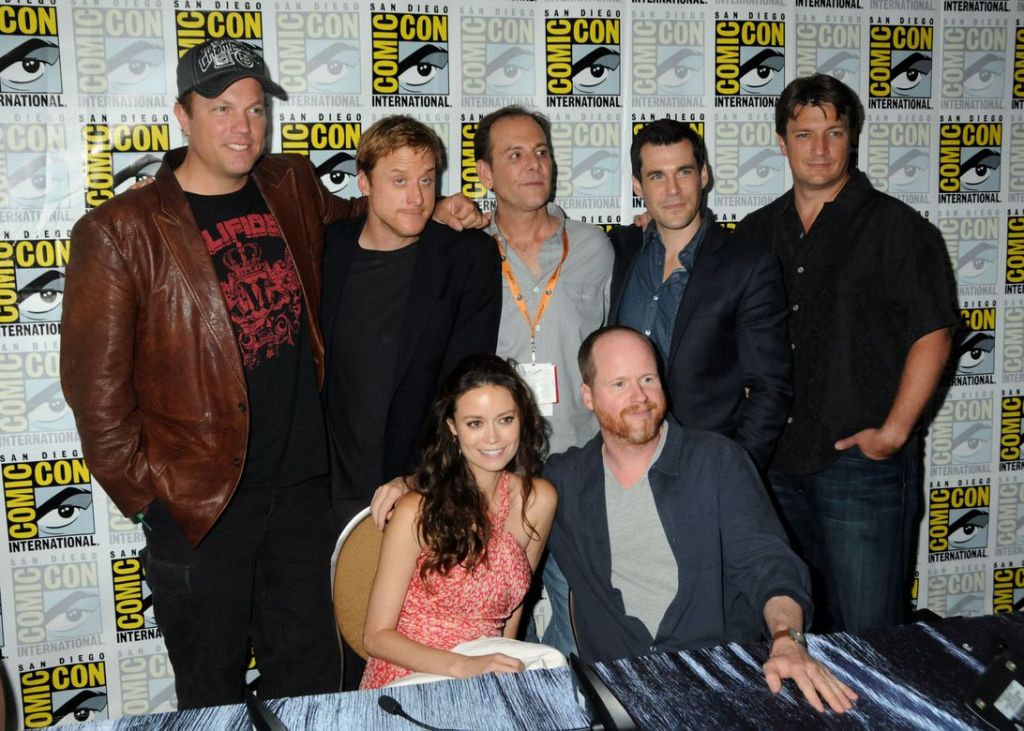
In Henry Jenkin’s On Participatory Culture, he says in a folk culture, which he compares fandom to, media is used to share with others. Participants learn from each other and share their knowledge for something they are passionate about, such as a craft or a movie, or a book. Fans write stories to one another in the form of video blogs, pictures, and other forms of media. He poses the question: What if we could get fans to geek out for democracy and society the same way they geek out over a movie or story, like Harry Potter for instance.
“How do we grow from participating in our culture to participating in our civic structures?”
-Henry Jenkins
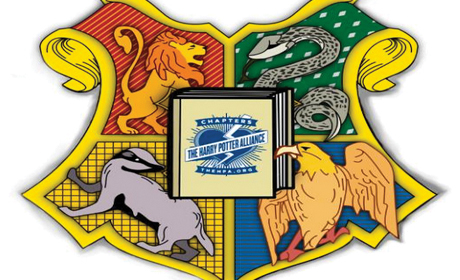
What does it mean to be as passionate about society as you are about anime, games, and other forms of pop culture? He references The Harry Potter Alliance who organizes around human rights issues, founded on the premise of good vs. evil. They are Dumbledore’s army – 100,000 young people who mobilized and work on a wide range of human rights issues. These kids who were involved in fandom found a vehicle to think politically. They found a way for them to be themselves; citizens in a new way.
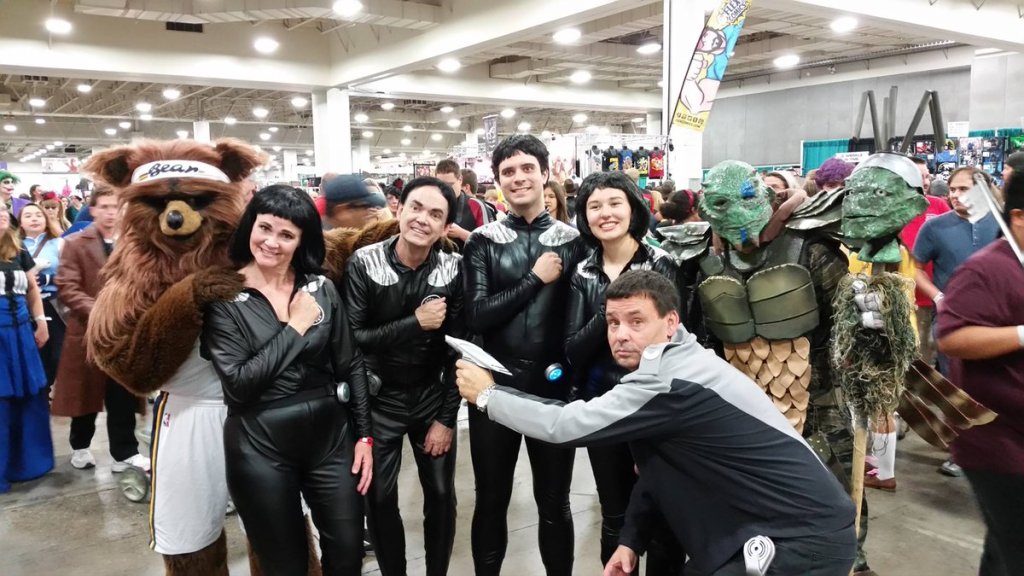
Another great example and display of fandom culture is the fans who are really the center of the movie Galaxy Quest. This is one of my favorite movies because it has a bit of everything in it. In Never Surrender: A Galaxy Quest Documentary, they showed how the fans are what made the movie real and mirrored that fandom in real life. They showed a convention for the Galaxy Quest movie and the fans who were dressed up in cosplay. I just thought this was such a fun way to appreciate the movie!
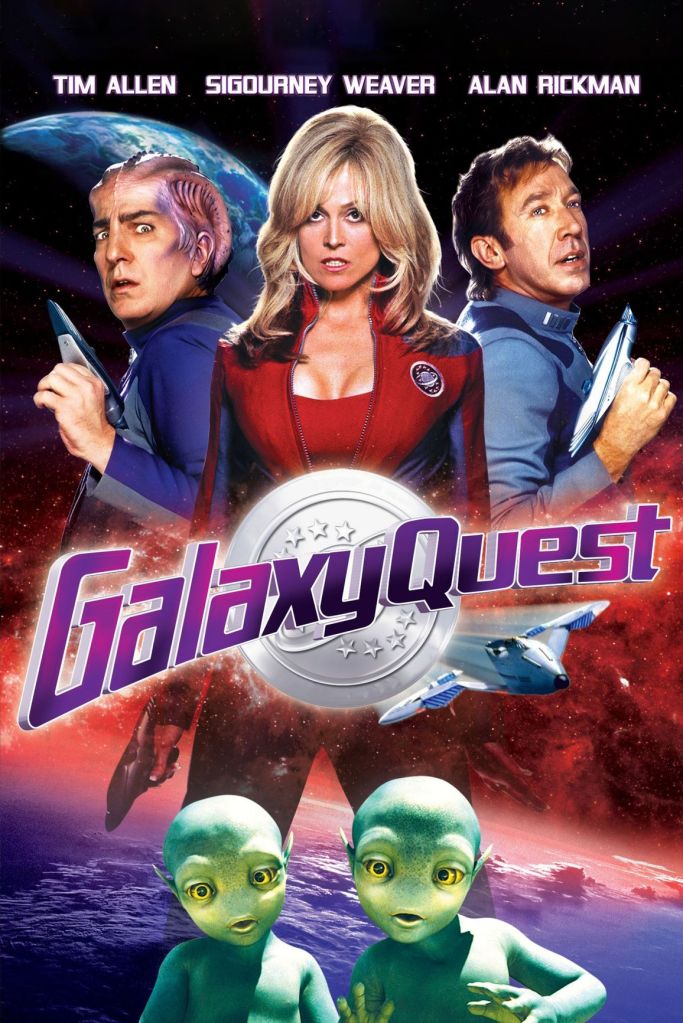
In 1999, when Galaxy Quest was released this movie portrayed a different tone and feel compared to the usual action-filled sci-fi film. In the documentary, they said that Dreamworks felt it was important for the film to have good special effects and costumes. In my opinion, the effects still hold up. The fact that they mimic the sci-fi show, Star Trek is an added bonus and adds an extra element, keeping it light and fun but also with a little bit of drama and set in the atmosphere of space. The fans that were interviewed said that they really wouldn’t change any aspects of the movie and they thought that Tim Allen was perfect for the role of captain. I think that Galaxy Quest is a feel good movie that incorporates a little fun, sarcasm, drama, adventure, and some life lessons. I guess I’m a fan.
Question: What is your favorite movie to “geek” out over?
Works Cited:
Fandom pdf. Canvas
You-Tube, 2013. Henry Jenkins on Participatory Culture
Amazon, Never Surrender: A Galaxy Quest Documentary







 Mass Media and American Life