Category Archives: Uncategorized

Personal Identity

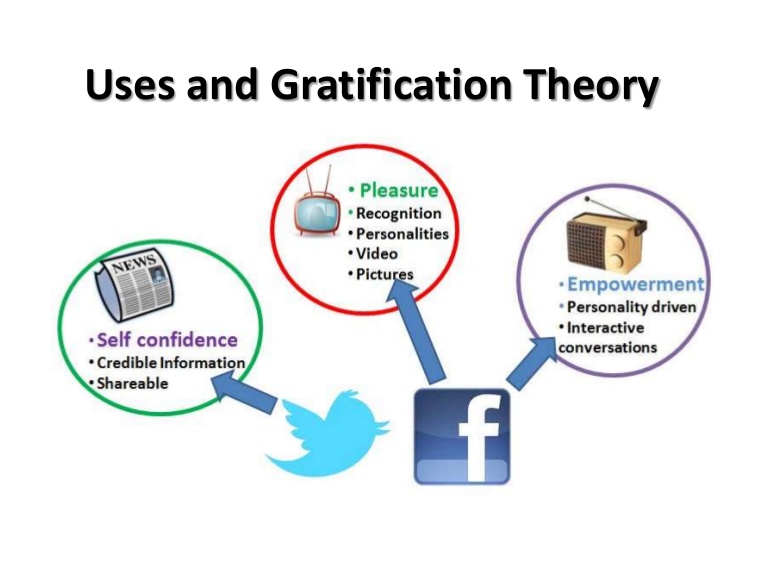
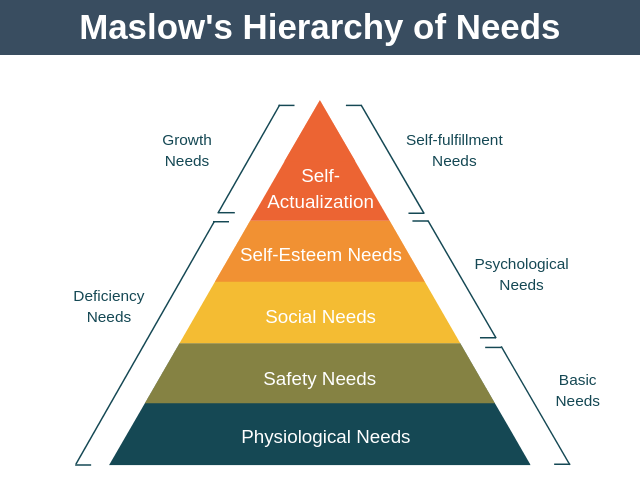
Over the past moth we’ve analyzed a number of media theories that attempt to justify and explain the media’s impact on their audience and vise versa. This past week we went over the Uses and Gratification Theory and were also tasked with watching Never Surrender: A Galaxy Quest Documentary and Jaws WeMake 45th Anniversary Tribute. These two selections are great examples of what this new theory embodies. The Uses and Gratification theory is based around an active audience and is an approach to understanding why and how people use media. Maslow’s hierarchy of needs outlines four basic reasons/needs for someone to use the media and can be simplified and applied to this series as; Information, Personal Identity, Personal Relationships, and Diversion.

One of the main aspects that we focused on in this theory was the idea of fandom, or personal identity driving you to use media. When you are a fan of something it is part of your personal identity. Part of this theory discusses how part of the reason we use media is to reinforce your own values or interests. Whether you are a huge fan of Star Trek or Jaws there is always more people out there like you who want to build relationships and talk to others with the same interests. No matter if it’s sports, food, or politics, I can see how this theory affects our day to day lives.
Galaxy Quest was a 1999 parody film originally created to celebrate the fans of Star Trek starred by many familiar faces. It follows the story of the cast of an old Star Trek like series who are visited by aliens who view their series as an accurate documentary.

Hardcore Star Trek fans, widely referred to “Trekkies”, have been one of the most widely known groups of cult media followers. This parody is generally loved by the community as it was directed towards the fans themselves and their own personal values.

The same can be said about the 45th anniversary of Jaws and their cult like followers. These communities of people are all drawn together by similar interests and these remakes/parodies are used to unite and attract these specific people and others who haven’t found out how interesting it is yet.

Knowing that we are psychologically drawn to people with similar values, beliefs, or interests, do you believe that is is morally acceptable to use this information to your advantage? Referencing Facebook/Google using an algorithm to track everything you do and use it to generate ads and recommendations to “further advance your experience”.

Fandom in Overdrive

We in the United States are renowned for fandom when it comes to sports such as football, basketball and baseball. We root for our hometown teams like we are apart of them. We care about the people involved and we usually hope the best for the team we root for. For me its the Buffalo Bills, even when they were at low parts in their past I’ve loved them through all of it.

For others there’s another different kind fandom that makes people feel the same way as I would at football games. This kind of fandom is on the movie screens that gives people impactful looks at characters and story lines that people fall in love with. One of these include Galaxy Quest a remake of a TV show that was meant to be a comedy and a serious story line that has helped story lines of movies even today. Galaxy Quest was kind of like a parody of Star Trek that had the special effect of involving a lot of people that really loved that movie story line.

Another story line that we have seen take on fandom to a high extent has been Jaws that has personally made me scared of deep waters in the ocean. Both these movies has provided a platform for fandom to become over used or even satirical. People become so invested in a movies story line that it becomes a part of their lives.

Fandom is a very important part of how society works with sports and in movies. There are many different films that have brought about that kind of mainstream fandom. Some of which are Marvel series, Star Trek, Star Wars, and many more. It is a great way to involve ourselves in the films and make them a part of our identity.

Do you think fandom becomes to much at times?

What is something that you are a fan of that you geek over?

2 Amazing Tributes

This week’s Screenings the Galaxy Quest documentary the Jews 45th year university wemake were very interesting and really showed the power of fans coming together. I at first didn’t understand why they connected at all they just seemed way to different and they had nothing to do with each other. But then it hit me, they both are about a group of fans that come together to make something that is a tribute to something that was a big influence in their life. Just one is a full-blown production and one is a little smaller of a production but both are made from fans.

Netflix Your Weekend | Galaxy Quest | Reel World Theology

  Other than Galaxy Quest being a great tribute to one of the best tv shoes ever made and with one of the biggest following, it was the start to movies as they are today. This is because it is one of the first comedy that was a mix between a movie with a serious story line but is casted with people that can make it funny but on the other hand a that can be taken seriously. This was achieved by a combination of real special effects that make you feel like you are watching the real thing unlike past comedies that make everything a job from the explosions to the way charters are dressed. But Galaxy Quest had another thing that made it even more special and that was that everyone in the movie and involved in making the movie are huge fans of the show Star Trek which the movie was based off of. This made it even easier for the movie to not make fun of Star Trek but be something that even the biggest fans won’t be offended by because it comes from a good place.

DreamWorks "Screwed Up": Why Cult Classic 'Galaxy Quest' Wasn't a Bigger  Hit | Hollywood Reporter

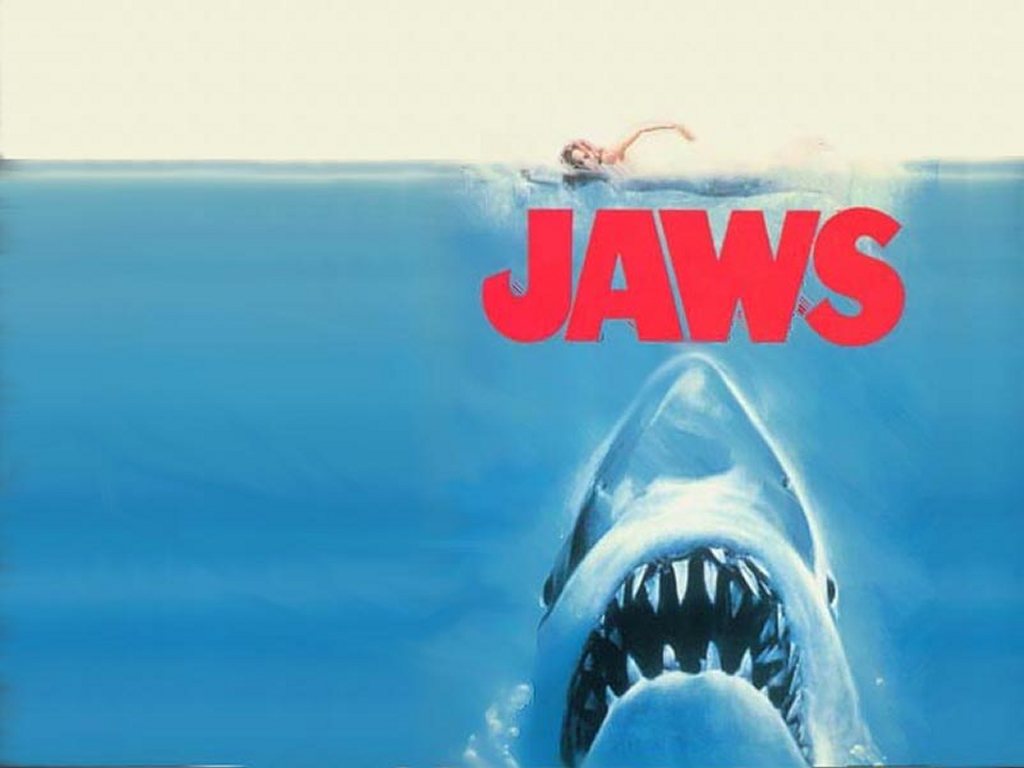
The 45th anniversary of Jaws Wemake was awesome in many different ways and it really gave you a good idea of now important this movie was to so many people. This was definably a different approach to a tribute but it was way more special. I think the idea of having fans from around the world that all loved Jews as much as the next person. I still remember seeing that huge shark under the water as it eat the guy on that orange boat when he was trying to get back in his row boat. That picture of the shark just under the surface about the bit the guys legs still makes me uneasy when swimming in open water. Just goes to show how much a movie can have an effect on someone.

JAWS 2 - Page 8 - Classic Horror Film Board

What do you think, would comedies be the same without Galaxy Quest?                  

The Fascinating Facet of Fandoms

As we’ve continued on with the Mass Media course we’ve primarily focused on that of the news, radio, and things of the like that help us with seeing, or even not seeing, the true world around us. Though, as we move into the final days of the course, we’ve begun to look more into more personal media consumption, some of which being TV shows and movies. Though this week we’ve moved into the more scientific reasoning as to why we use these as a means of escape or even rest.

Uses & Gratifications Theory – Media Studies | Paola Lada Franulovic


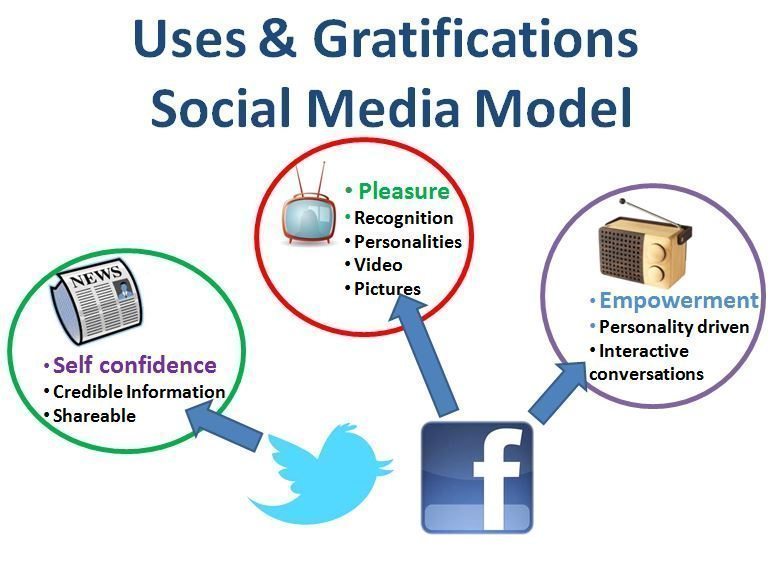
This week we’ve talked about gratification theory and how it may explain just why we enjoy what we enjoy in our free time, or even tapping into the previous subjects like news and radio. Gratification theory explores the idea that we use the media to either escape, unwind, seeing ourselves in the media we consume (hence making us want to continue “connecting” with said character), personal identity, and more.

As a person who found it interesting that we, as a class, were discussing fandoms and shows of the modern era was honestly pretty interesting! Although i probably should have seen that coming in a media class, it’s a rarity (at least for me) to see much recent events occur in class and discussed.

Fandom | LinkedIn


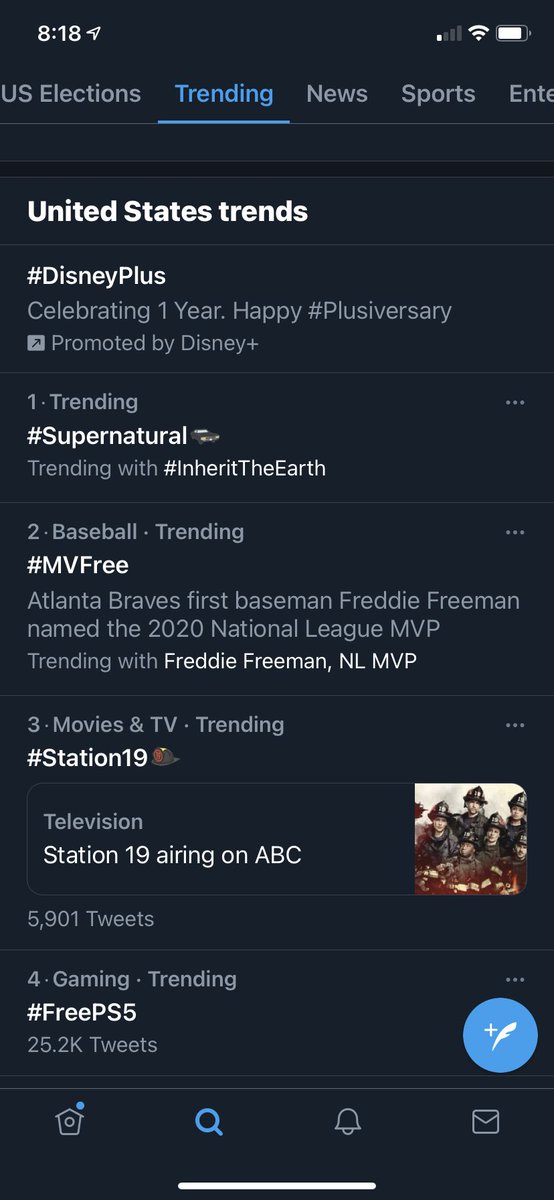
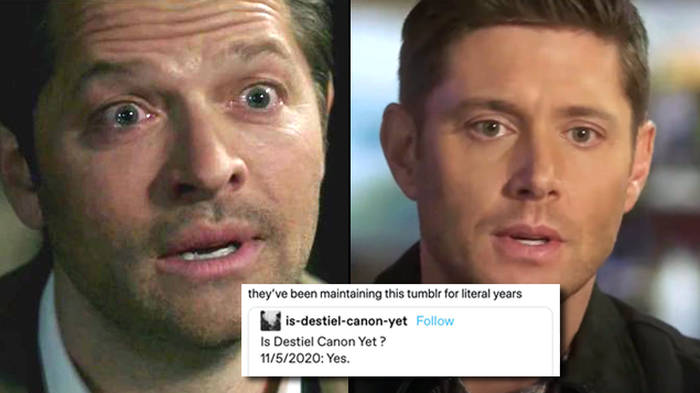
This week’s subject actually put things into alignment for me. I had never truly thought of why we as people enjoy what we enjoy. I suppose a part of me just thought it was just the way things were and didn’t have an explanation. This especially put in perspective one of the more recent fandom incidences, that being the announcement in the show Supernatural that one of the main characters, male, had fallen in love with another main character, also male.

This may seem a bit out of place and it may be a bit strange to bring up, but as a person who had been in the fandom way back when, then gave up on it around the 5th season, to hear about now, in 2020, when i had lost interest back in 2009 was such a shock.

For me this serves as a perfect example of Gratification theory. On the grounds that after nearly 15 years since it aired back in 2005 that the simple announcement of a character’s feelings in the show Supernatural finally being canonical in the series got trending on Twitter and blew up the internet above the presidential election.

Winchester Bros on Twitter: "#Supernatural is trending at number one in the  US!… "

This series, although being as old as it is, got people interested enough to 1.) research it even when outside the fandom, and 2.) sympathize and even criticize the characters. I feel as though this is seriously the most modern look onto Gratification theory i could find.

Is Destiel canon? Supernatural fans explode with memes after dramatic  reveal - PopBuzz

Although i’m not in the supernatural fandom anymore, i find this extremely fascinating and even funny as far as the timing goes. I suppose my only question is,

Are there any fandoms you’re in, or used to be in that you feel fit in with Gratification Theory? Why?

Use and Gratification Theory History to Present

Uses and gratification theory is an audience focused that concentrates on what people do with media, then what media does to people. There are different stages, stage one was in 1944, Herta Hertzog questioned people who listened to soap operas and concluded that they sought three different types of gratification. The three types of gratification emotional, wishful thinking, and learning. In 1954, Wilbur Schramm developed a method for deciding what kind of media an individual might pick. Stage two was in 1989, Jay Blumler and Denis McQuail studied the United Kingdom 1964 election and characterized people’s causes for watching certain political programs on tv. In1974, Blumler and McQuail joined with Micheal Gurevitch, Hadassah Haas, and Elihu Katz to do research on how people viewed mass media. Stage three is based on research today that is foretelling and clarifying possibilities of the theory by associating media usage with individual factors. These factors are cognitive needs, affective needs, personal integrative needs, social integrative needs, and tension free needs.

People use media for acquiring knowledge, information, facts. Now a days, google has all the knowledge. Ask any questions and google will tell you without any time restriction.  People use media and tv to satisfy they emotional needs. Personal Integrative is when people use media to reassure their status, gain credibility, and stabilize. Social Integrative needs is when you go on social media like Facebook, twitter, Tumblr, etc. to satisfy their needs instead of face to face gatherings.  Tension free needs is when people use media to escapism from the real world and to relieve from tension and stress.

In the Henry Jenkins on Participatory Culture screening talks about the history how people has responded to the past. Younger people had a stronger, more academic, and creative life outside of school.  There was a Tory printing press movement that was based on high school kids that were producing publications, hand laying type down and delivering them across the network. Folk culture is when media produces not to make money. People generate media to share it with each other.  For example, clubs there is no expert. Everyone is learning from each other. Fan audience is created because people are not trying to make money, they are trying to tell stories that they are passionate about.

In reading called Fandom it takes about the word “fan” how it started. Fanatic was created in the 19th century. In the 1915’s, to 1920’s started the “fan films” television wanted to engage the people, they wanted to understand the people’s knowledge.

The Science of Fandom

We are told in our told in our readings that fan culture began with baseball. As a baseball fan myself I totally understand how this might happen since became hooked from watching one game five years ago. The word fan comes from fandom which means fanatic which is what I am with baseball. Fandom takes many forms and it is what motion pictures and television try to develop and nurture.

What are the NHL's options to bring fans back to the arenas?
fans at an Islanders game

We saw in the Galaxy Quest documentary and in the Jaws 45th Anniversary parody, fandom can take a cult-like appearance. The documentary discuss many aspects which lead to this, from a strong and convincing plot to costumes and makeup which are somewhat realistic but not over the top. The characters need to believable and authentic. It is a peculiar blend between realism and fantasy, novelty and consistency. The Jaws Wemake takes this one step further with by integrating parody into the mix.

Galaxy Quest 2' still "comes up every couple of months," director says
Scene from Galaxy Quest

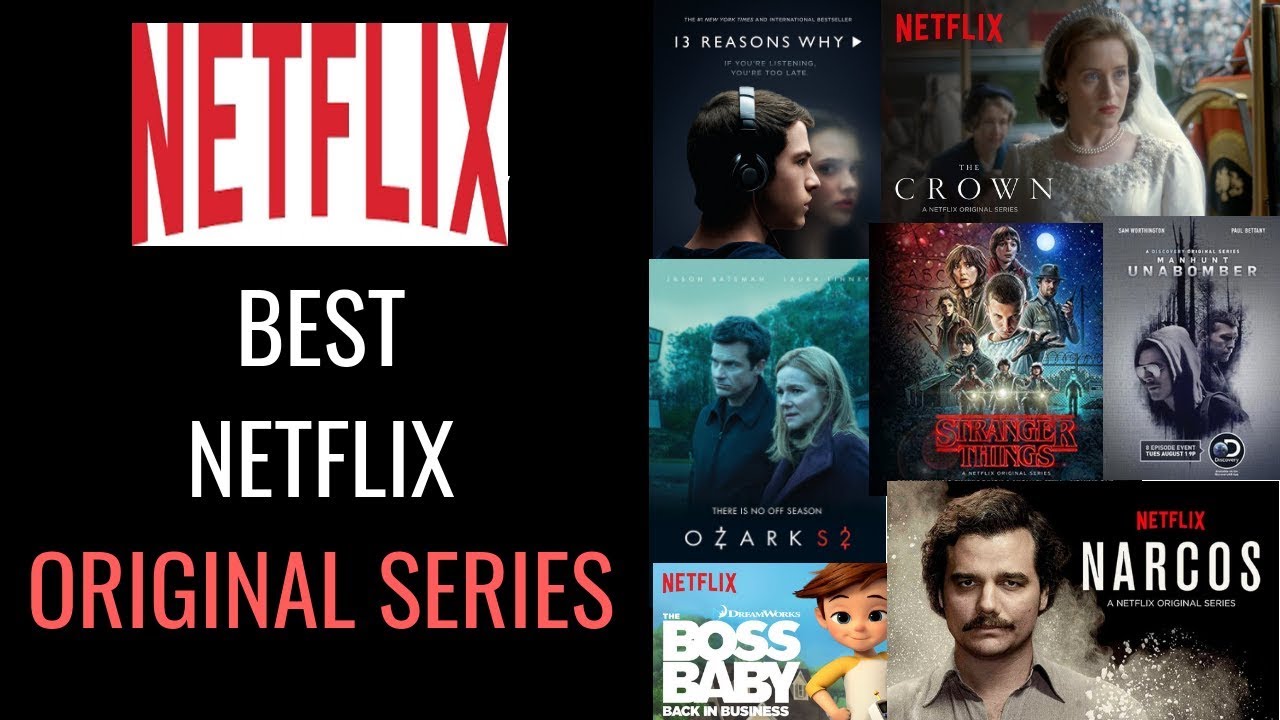
The slide presentation examines the uses and gratification that the media has on people. These include: cognitive needs, affective needs, personal needs, and tension free needs. Media should not only make us think but it should also makes us relax and engage us on a personal level. This is what happens when one enters the realm of fandom. You may not only identify with the characters, but you are emotionally drawn in by them and you may begin dressing and acting like them, maybe even joining a club or attending a conference of like-minded individuals. From a marketing perspective it is what people in marketing dream about. How do you hook someone into a story. Soap Operas learn this formula in the 1950s by hooking housewives into daytime dramas. Now we have Netflix with its ten part series. It’s just long enough to get you hooked and even binge watch, but not too long as to lose you along the way.

Best Netflix Series - Top 10 Netflix Original Shows to Watch in 2019 -  YouTube
Netflix Series

Henry Jenkins talks about the movement from participatory culture to a political culture in the Big Thinker series. Jenkins start with Folk Culture and how quilts were started within a community with various people contributing to different pieces of the quilt. They would learn from each other, with one person who knows something more about something teaching another person. He then compares this to the Internet Culture where people are sharing information and demonstrating their expertise while teaching others how to do what they do. It is a community on a global scale engaging in dialogue and sharing information. He uses the Harry Potter Alliance as an example. writing on the heels of this enormously popular series in organization formed to recognize and eradicate some of the evils and ills of the world. They call themselves Dumbledore’s Army. This group of 100,000 help fight human right violations in Dafour, the earthquake in Haiti, and advocate for gay rights. Jenkins also talks about how to move engaged students into action such as changing the Moby Dick entry on wikipedia and helping students find the right evidence to convince scholars of the need to make changes in the entry.

TEDxNYED - Henry Jenkins - 03/06/10 - YouTube
Henry Jenkins

Alan McKee takes an academic look at fandom and examines not only the history of fandom and reminds us of Cicero and how the masses consume culture. McKee discuss the Buffy The Vampire Slayer and notes that this popular TV series has a journal of Buffy studies and website dedicated to fan and academic studies of Buffy. It is in this realm that McKee sees the blurring of “humanities intellectuals” such as those studying Buffy to the fan. Ironically, he concludes by saying: ” we are the fans who are lucky enough to get paid to be fans.”

Alternate Reality

The uses and gratification of media provide us fans with an escape and an alternate reality in which we can be whoever we want to be for a moment in time. Being a fan of something brings you into a community of others like you. I’m a Tampa Bay Buccaneers fan and have been for years, when I meet other Buccaneer fans its an automatic approval of momentarily friendship. Fandom is a close-knit community and the media knows that so they highlight fanbases with different events and social gatherings.

The gratification that comes from being a fan and seeing the media praise you creates an alternate reality for most. Media gratification blocks all a lot of negativity one can be going through and it brings immediate joy. Many people do seek an alternate reality and I think the biggest forms of obtaining that is online gaming and social media. Social media has various platforms in which an individual can recreate who they are to the outside world. Many of us can type things online that we would never say in a person-to-person conversation. The gratification that comes from typing and not having to physically see the viewer is a thing that many people chase and that is thanks to the media. Online gaming is growing at a fire rate and it is because of how globally widespread it is. With online gaming you create a platform of who ‘you’ are, you can willingly join a community in which you are nobody and eventually become somebody. In these gaming communities you create a new you and whenever you are gaming, that person that you create becomes real.

The online gaming community can be a blessing or a curse because it is not hard to create a reputation especially the more skilled you are. The top gamers across different games across the world compete against one another and can be recognized for their accomplishments. These gaming competitions are watched worldly and individual gamers have fanbases themselves. Pro gaming is a profession thanks to the media and even in gaming there are community laws. Cheating and hacking are two immediate actions that can destroy a gamers reputation and ultimately get you banned from partaking in future events. It is actually comical to me that the media has created a virtual platform in which anybody can be anybody and still there is judgement between peers.

The use and gratification theory is truth and our society today amplifies that fact. The media is our outlet to find acceptance in life. Being part of a fanbase or joining a gaming community brings confidence and pleasure to individuals. We seek what we can’t have and sometimes just viewing something, even though we can’t obtain it, it brings a sense of gratification. People just want to be accepted, the problem is that everybody has a different personality and sometimes personalities are not compatible.

Questions for thought:

Would you say that who you are on social media emphasizes who you are in reality?

Do you express your true feelings on media?

Do you sometimes find yourself indulging in the false lifestyle norms the media portrays?

Uses and Gratification

I think Henry Jenkins in Fandom Force makes some interesting points. I never thought about fandoms playing a role in politics but as Jenkins points out it is a way of people coming together and sharing ideas. There are a lot of parallels in literature and the real world which could open up the readers eyes. I know there were a lot of parallels going around when the Black Lives Matter movement started and the hunger games when District 11 revolted. When situations are taken out of the real world and into fiction it’s a lot easier for people to see the other side and drop their preconceived ideas.

Andi blm @andreamrandaa - our generation was raised on hunger games,  divergent and a bunch of other books and movies about teenagers causing a  revolution against an oppressive government and y'all are
500+ Hunger games ideas in 2020 | hunger games, hunger, hunger games trilogy

With that being said I think people can get too attached to their fandom. That’s what I felt like with the Jaws WeMake. Of course there is nothing harmful about people being obsessed with something but sometimes when it takes up the persons whole identity it’s a lot. I find the Harry Potter fandom takes things very far, they have memberships that you can pay for and never-ending merchandise. Being a business major I can see why companies are attracted to this though. Having a set group of people with such an evoke set is the best costumer relationship a business can have. This also calls into question the business practices of these companies, they know people are so invested into the fandom that they could make cheap products or out source a lot of their work and still make a huge profit. That is what scares me about fandoms.

On love and inclusion in the 'Harry Potter' fandom — Harry Potter Fan Zone
The Harry Potter Fandom Collection | Gunvor Handmade Illustration

Uses and Gratification Theory

This week we started class with a discussion of the uses and gratification theory. The uses and gratification theory is an approach to understanding why and how people actively seek out specific media to satisfy needs. Everyday people use music, books, film and television to fulfil their cognitive and affective needs. People use media to increase the self-esteem and to measure their status in society. There is often individuals who look to seek social integrative needs to receive validation and credibility. These are the individuals who socialize with family and friends to develop or retain relations in society. They both view similar forms of media and find commonalities within that media. This begins to help individuals relationships with others that share the same interests, likes and dislikes. There are others who use media as a mean of escapism and to relieve tension. In the twenty-first century we have has many different forms of media allowing certain individuals to be alone or as a way of coping with loneliness. Some people have certain types of social media that they love to use. Twitter is my most used app, twitter is a place I can be more active and find information I want. You can figure out anything with just a simple search and scroll feed to find news and things that are funny. We also talked about fandom, fandom is something that many people may take more seriously than others. There are many events that people can attend to show their love and support for certain movies and shows. These are the things that can help show their support to the people who make the shows and movies they like possible.

Gratification Theory - Antonio Velardo Blog.com ::

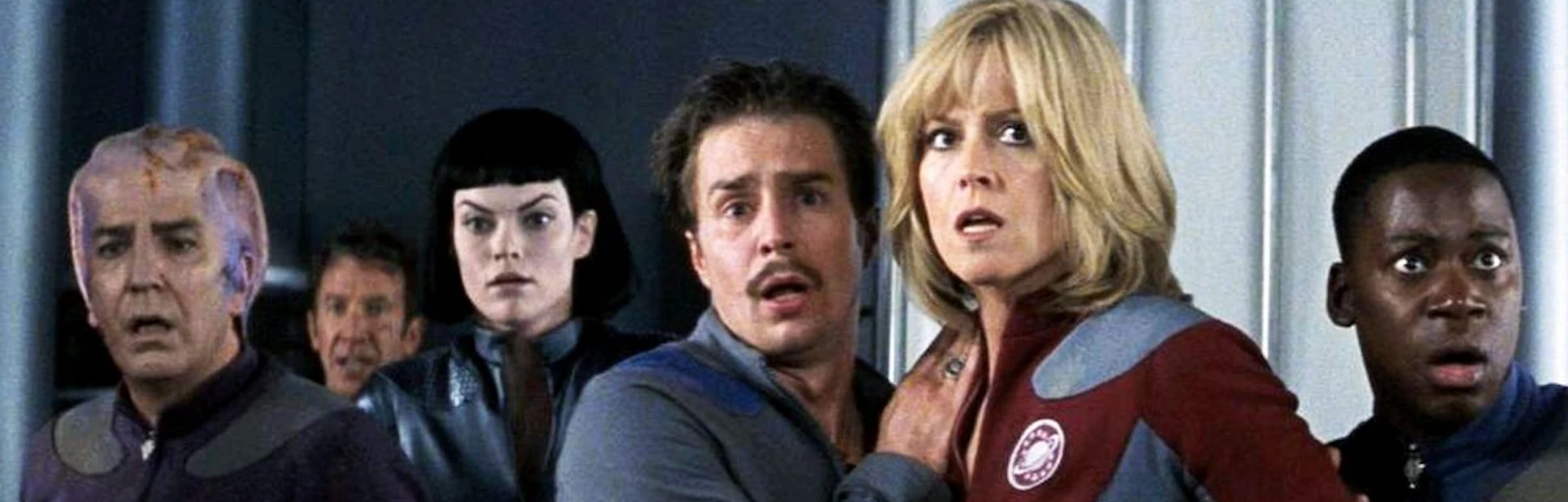
Galaxy Quest begins with the crew of the canceled space-adventure television show at a fan convention receiving introductions and signing autographs. Jason Nesmith embraces and loves the attention he receives from his fans; while his supporting cast resents and despises him for “soaking up” all the glory. The plot of this science fiction parody shifts towards a group of people called thermians. The Thermains are represented by Mathesar and approach Nesmith with an issue of life or death. A group of Aliens threaten the remaining Thermians and they request help from “Commander Taggart” to save their race. To Nesmith he thinks that this is all an act and agrees to help the Thermians with their problem. The next morning he is transported to the Protector and addresses the leader of the hostile aliens, Sarris. At this point Nesmith is still unaware of the danger at hand, he orders Mathesar to fire on Sarris’s ship and then requests to return home to sleep off his hangover. He is then shot into outer space and back to his home in seconds. Nesmith now realizes the situation at hand and rallies his crew to return to the Portector. The film ends with destruction of Sarris’s ship and crash landing of an escape pod into a convention. Finally Sarris attempts to kill the pesie humans and is foiled by Nesmith with a swift laser to the chest. To me this film is solely comedy and action but has heartfelt moments throughout.

Next Lives: Mary Franklin Says Goodbye | StarWars.com
Mary franklin

Then I had watched a TED Talk by Mary Franklin, she was the former Sr. events Lead for Lucas Film, she had the position to coordinate various marketing and promotional events for the company. She received this position because she is a huge Star Wars fan and was apart of the StarWars fan club. She helped the company because she was a fan and she knew what everyone wanted to see.

Question to the class: How do you use fandom to connect with others on the internet? Did you enjoy Galaxy Quest ?

The Power of the Fan

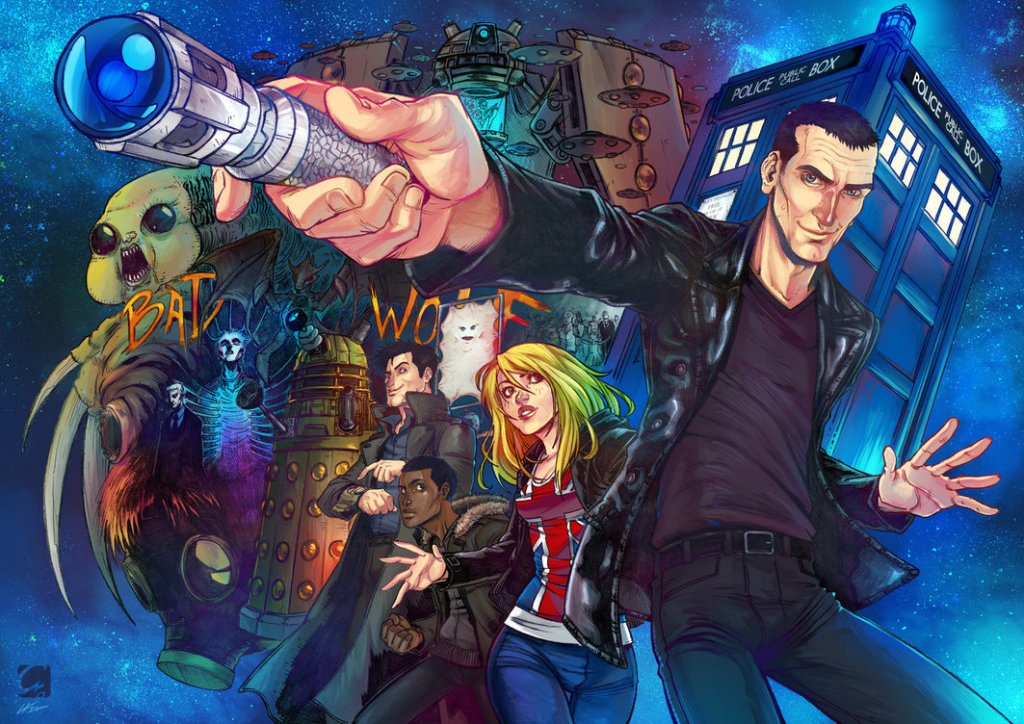
               Fans.  Fandoms.  What could be cooler?  One of the best things about media, especially movies and TV shows, is that people have the option to be actively involved with them.  Alan McKee talks about fans in his reading, “Fandom.”  He says that the word and definition of a fan originally came from describing enthusiastic audience members of baseball in the 19th century (McKee 67).  The definition of what a fan was later spread to include other things, like TV shows, with Doctor Who fans being the first to be studied (McKee 67). 

Doctor Who Fan Art

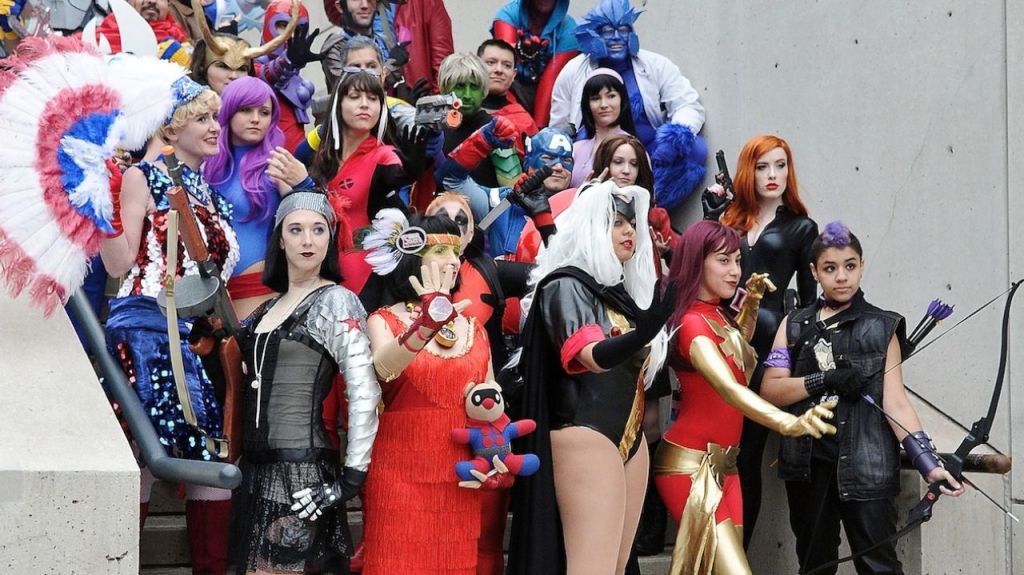
               The Uses and Gratification theory in communications is all about how people use media, not how media impacts people. According to the theory we talked about in class and on the power point, people will use media to satisfy different needs: Cognitive needs, emotional needs, measuring oneself to others in society, social needs, and to free oneself from tension.  Fans and fandoms are the most perfect example of this theory, especially when it comes to conventions like Comic Con and cosplay and fanfiction.   

People dress up as their favorite characters for Comic Con.

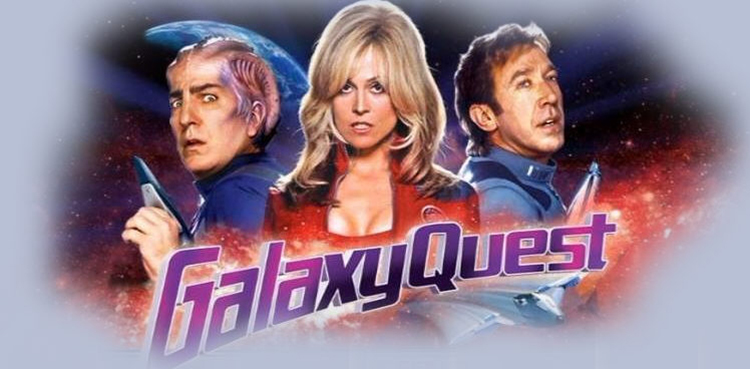
               Fandoms can be a really powerful thing too.  When there are a bunch of people interested in the same thing, there is not only a connection based on common interests, but sometimes that fandom can actually make an impact on the world.  Although a fictional story, the movie, Galaxy Quest, shows the awesomeness of the fans becoming the heroes.  The documentary, Never Surrender:  A Galaxy Quest Documentary, talks about the making of Galaxy Quest to celebrate the fans of Star Trek.   As said in the documentary about Galaxy Quest, “The fans made it real” and “Galaxy Quest is, without a doubt, the best Star Trek movie because it’s about what makes Star Trek special.  It’s about the fans.”

Galaxy Quest celebrates the fans.

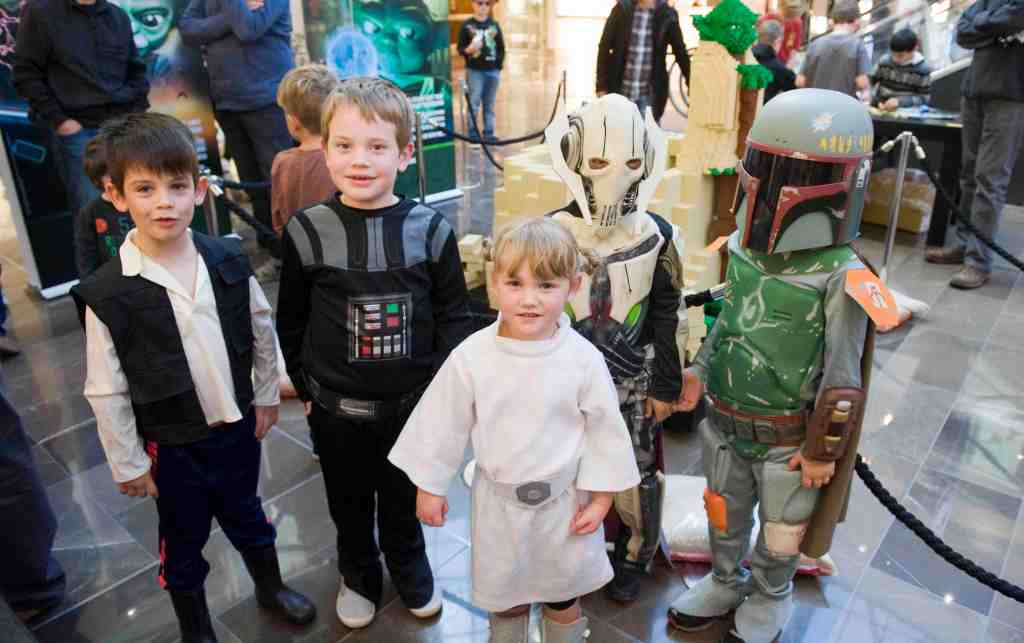
               With that same idea, Mary Franklin talks about harnessing the power of fans to help one’s show in the Ted Talk, Fandom Force: Harness the Power of Audience.  She says that the best thing one can do for his or her show is to know the fans, connect authentically to them, and to also ask them to participate.  She is an avid fan of Star Wars, and she actually got a job working for Lucas Film because of her passion.  She also talked about the creation of NY Comic Con and other Star Wars celebrations because of how involved and enthusiastic the fans were.  Fandoms matter.

Kids dressed up as popular Star Wars characters

               In the video, Participatory Culture by Henry Jenkins, he talks about people using their fandoms to make change in the world—even using their passions to, “geek out for democracy.”  He specifically talks about the Harry Potter Alliance that fights for human rights around the world.

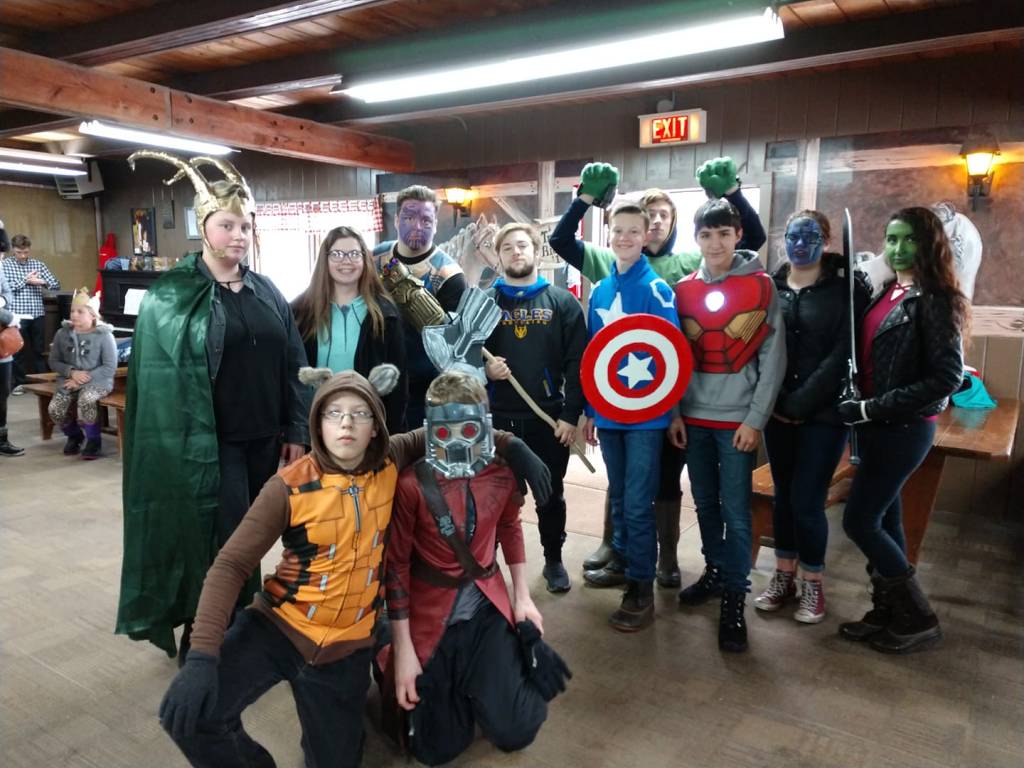
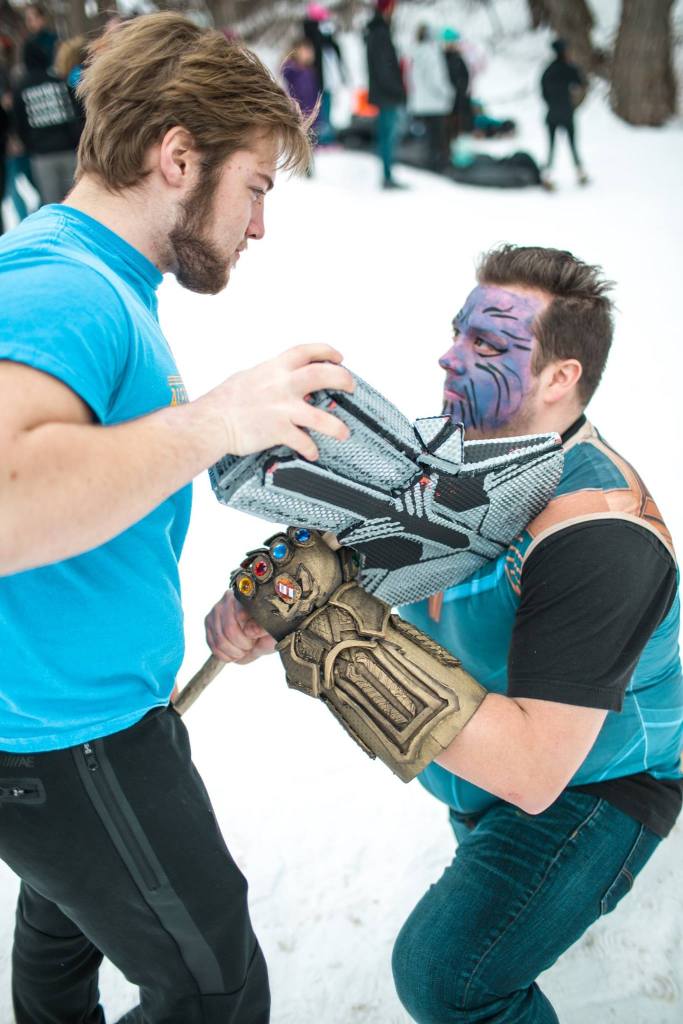
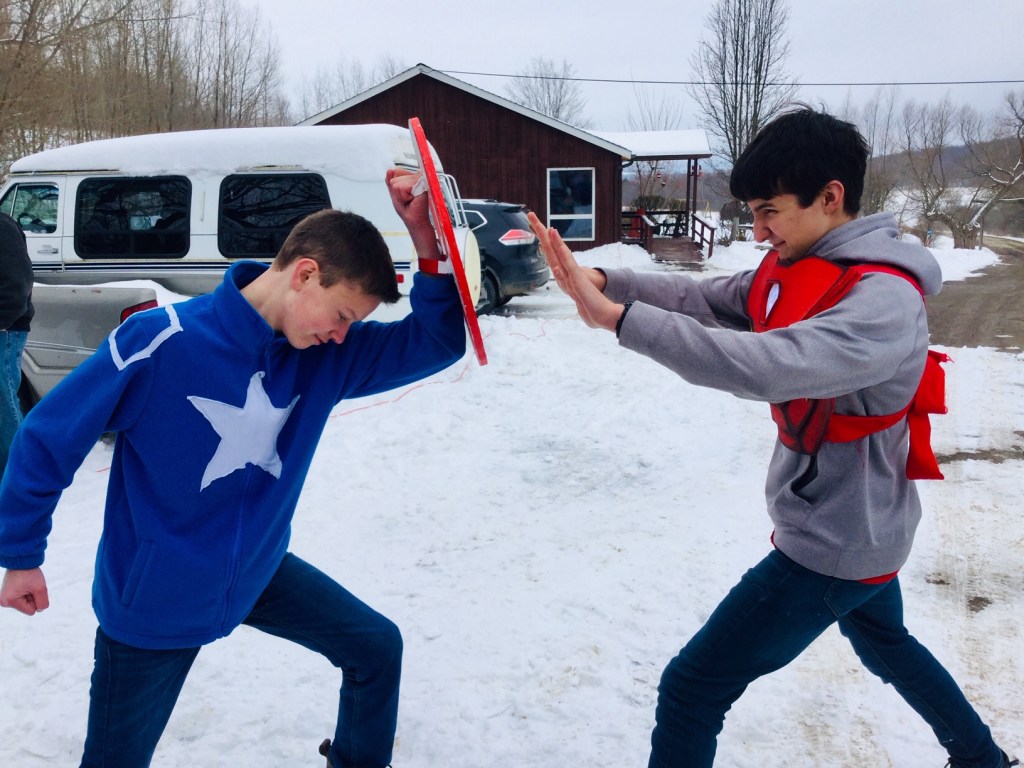
               Fans do all sorts of things, but probably one of the coolest things is that do cosplay or they produce their own media after something they love.  Will Wheaton, the creator of The Arrow and The Flash says in Never Surrender:  A Galaxy Quest Documentary, that, “I have always felt that cosplay is the purest, most wonderful expression of love.”  I’m a huge fan of the Marvel Universe, and my brother and I actually made all of our friends Infinity War costumes for a snow camp we went to with our youth group.  It was awesome.  We also used the costumes when we went to see Endgame.

Our whole group in costume.
Our friend Alex, played Thor and our friend, Slade, was Thanos. The Gauntlet took us a few weeks to make, but my brother made Stormbreaker the night before camp.
Our fiend, Mike was Dr. Strange, Caleb played Hawkeye, and Ethan played Hulk. We all had too much fun.
Tom and his fiend, Nathan, were Captain America and Iron Man. I was especially happy with the Iron Man chest, because I was able to get it to light up.

In addition, when it comes to fans producing their own media, just this summer was the 45th anniversary of Jaws, and there was even a Jaws WeMake 45th Anniversary Tribute to celebrate.  The scenes that the fans redid, and how they did them, was hilarious.

               What are you a fan of?  How can you use your fandom to impact the world and connect with others?  How is it that people can become so obsessed with fictional worlds and characters?