Category Archives: Uncategorized

Classic Hollywood

The Hollywood Antitrust Case - aka the Paramount Case

This week we talk about the studios finance and distributions and how they were independent’ films. This caused independent producers to find themselves as dependent employees. This week we focused on independent films. The independent cinema has become victims of their own success. This has made independent films look more and more like “microcosm of the studio business” (Schamus, 1998). The industry observers have seen the emergence of the “indie blockbuster” strategy with films like Miramax’s. The conglomerates’ systematic is an addition to the indie film movement. The split between the blockbuster drove major studios and their “Indiewood” counterparts a key to characteristic for the conglomerate era. Cabletelevision has become involved in the indie movement. Mostly in the lower-budget genre and specialty realm. In the early 2000s, studios produced blockbusters that assured them of having profit. Also blockbusters were invested in the indie movement itself. The Payne term ” the cleft between studio movies and independent movies” this could be seen as a symbolic tension that has become essential to the “studio system”. As motion pictures have developed and movie industries have moved away from the classic age of Hollywood with the Paramount decision. At this point all Independent filmmakers were given a chance to show their skills off. In the article Schatz talks about the new development, “The Studio System and Conglomerate Hollywood,”.

Is 'This Film Is Not Yet Rated' On Netflix?

The other screening I watched this week was This Film is Not Yet Rated. This documentary was an American film about the Motion Picture Association of Americas rating system and the effect on American Culture. the MPAA critics are completely confidential and are believed to be made up average American parents that are “not gods but not fools”. The MPAA has received harsh criticism for giving certain films a “NC-17” rating while letting other similar films be shown without question. This means a movie or film rating indicating that the movie contains adult content and should not be seen by people under the age of 17. We don’t witness the entire investigation, however we view it long enough to understand the confusion of some film producers and the shadiness of the MPAA. Several of the MPAA’s tactics are intended to silence employees and any specific feedback on a “NC-17” decision or rating. The MPAA may need to become more open with its investigation and more clear with their direction and involvement of their system. The MPAA rated movies very seriously when reviewing them and many people do not get their movies rated differently when trying to change them. Overall I found this documentary very interesting and showed what the film industry goes through when submitting their movies to the NPAA and how they can actually not get approved at all.
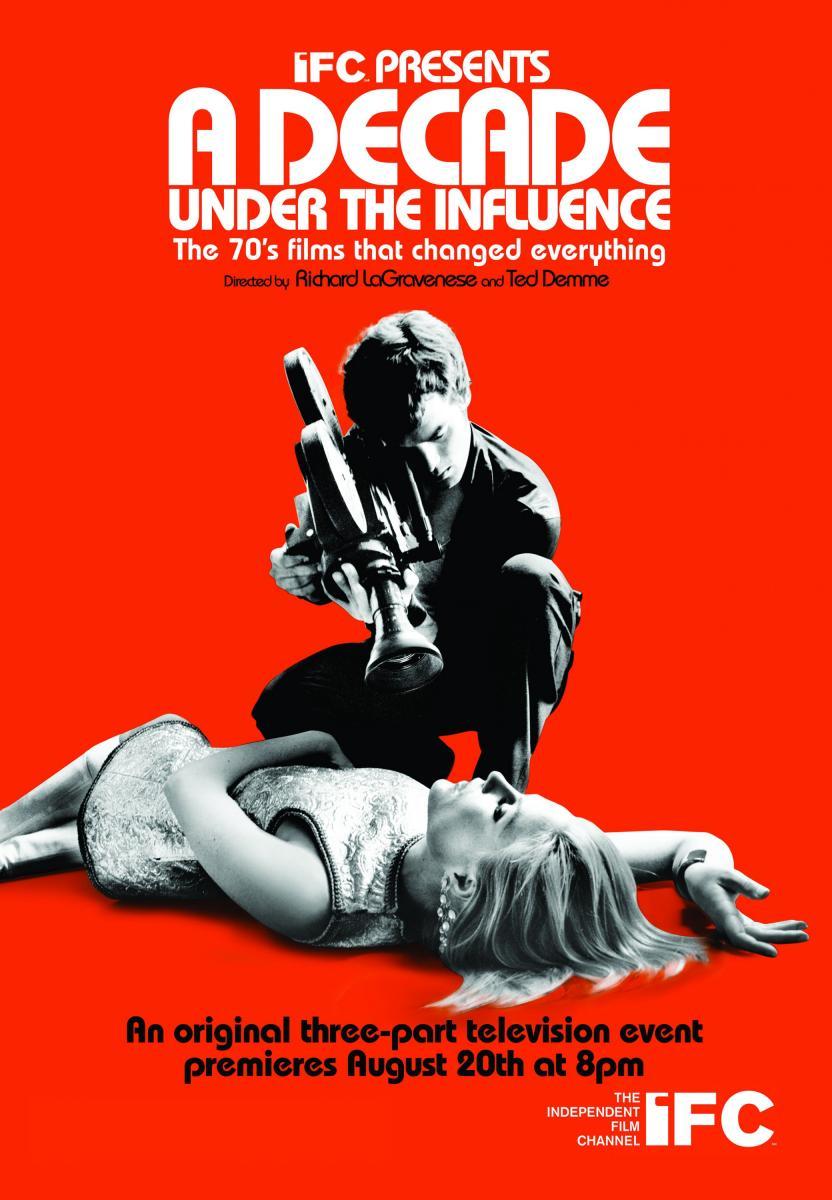
A Decade Under the Influence (2003) - i luv cinema

The documentary A Decade Under the Influence was to show that more films were starting to show more sexual scenes that were becoming okay in all types of movies. At this point movies were no longer made with perfect people who live the best lives. In the video they talk about the “new hollywood”, the films became very popular to people, if they related to how people’s lives were going. at the time. At one point in the documentary there was a change in how the style of the movie went. In the documentary this all came from the revolutions going into the 60s. The documentary Why Be Good? Scandals were based like Roscoe “Fatty” Arbuckle. This caused Hollywood to have to shape up and keep negative news out of the media. In the documentary Jeanine basinger says there were scenes that brought up issues of “ what’s appropriate for people to see, censorship immediately emerged as a key issue linked directly to the medium of film”. There were many conflicts happening during production, about if a film was going too far or not. The 1970s was the era that made new generation of filmmakers create a new kind of audience.

Question: Is the movie rating system working or should they change it?

Are movie ratings real?

Rated NC 17 MPAA Rating IDs logo (2013) Bumpers - YouTube

Movies have been rated for as long as I can remember and it was the one thing that could keep you from watching the movie that you have been seeing all the ads about when you were a kid. I can still hear my parents till this day saying sorry buddy is not appropriate for you and my sisters being able to watch it but I couldn’t it was a very hard time. But movie censorship didn’t look like it does today, the movie used to be just secured and the scene that was deemed inappropriate cut out of the movie instead of having a rating all movies where just safe to watch. But now a day’s movies have a rating system that goes from G to PG to PG-13 to R to X they go from most appropriate to least appropriate but back in the day there was NC-17 which ended up being done way with after it being too hard to differentiate from R to NC-17. This started a lot of problems in the movie world because if a movie was rated NC-17 instead of R the movie wouldn’t be released and left a lot of producers with a worthless movie that they had to cut out the scene or the movie wouldn’t be seen and it was a waste of money.

Is 'This Film Is Not Yet Rated' On Netflix?

            The problem really came from the people that rated the movie and how they didn’t really have any guide lines they just watched the movie and made up the standers as they went along. That’s why you would see such a drastic change between movies ratings, its because there is no true system to make their decision on they just used their opinion which changes person to person. What do you think, do the movie raters have too much power? Should they have a system in place?            

Movies from the Roaring ’20’s through the redacted ’70s

The general theme of this week’s readings was independence: from the wild, crazy, and sexually loose movies of the 1920’s to the censored movies by the Motion Pictures Association of America (MPAA). During this period movies went from big studio motion pictures to independant art movies. The 20’s also had their period of censorship with the enactment of the Motion Picture Code and the formation of the independent United Artist by Charlie Chaplin, Mary Pickford, Douglas Fairbanks and D.W. Griffith.

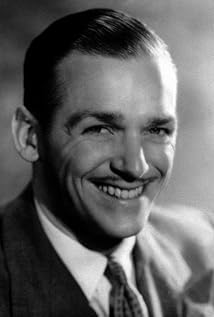
Douglas Fairbanks Jr. - IMDb
Matinee Idol Douglas Fairbanks

Though I am familiar with the silent films of the 1920’s, including those of Chaplin, Keaton and Lloyd, I did not realize that there were movies produced during that period that were sexually suggestive. In ” Why Be Good” they discuss the careers of Louise, Brooks, Greta Garbo, Clara Bow, Mae West, Gloria Swanson, and Norma Shearer. So wild were these pictures that the industry felt that they had to establish their own code to create standards for how sex was portrayed on the screen.

Why Be Good?
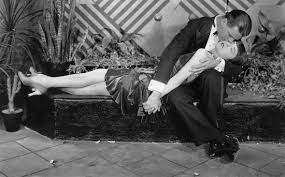
A still photo from Why Be Good

In discussing the “Two Hollywood’s” in our reading, “The Structure of New Hollywood,” it’s clear that the fault lines developed during the 1920’s with the perceived need for independence and the growing star system that allowed actors the freedom to set their own rules. That start system continued in the 1970’s and 1980’s with directors such as Stephen Spielberg forming Amblin Entertainment and later DreamWorks and forming alliances with Universal pictures and successful films like Steven Soderbergh’s “sex lies and videotape” that the lines were blurred between money making highly profitable independent films from small studios and blockbuster movies with blockbuster budgets. Spielberg could make the blockbuster “Jurassic Park” and small picture “Schindler’s List,” win Oscars and be highly profitable.

The Most Inspirational Steven Spielberg Quotes
Stephen Spielberg winning two Oscars

During the 1970’s the MPAA took hold of the movie industry. In “This Film Is Not Yet Rated” It talks about the different ratings there are in the movie industry as well as the breakdown of how certain films are rated. In this film private investigators were hired to go around Los Angeles and get names of the raters who were secret and find out who they are, their marriage status and number and age of children. Each of the raters would represent a type of individual, for example, they may have young children or they may be middle age and may be single. There was one individual who was representing a woman with children but it turned out that her children were in their twenties. The film also discussed the process of appeal of a rating. One of the points that was made of the rating board was that it was more concerned with sex than with violence. In fact, violence without blood was perfectly fine. One of the person’s interviewed made the point that violence with blood should receive a lower rating since it would discourage young people from being violent. Rather, the opposite is the case with the more blood the higher the rating. In Europe violence gets a higher rating over sex.

Is 'This Film Is Not Yet Rated' On Netflix?
This Film Is Not Yet Rated

” A Decade Under The Influence” tackles the emergences and the development of the independent film industry. As Julie Christie says in the film ” The roots of independent films started in England” in the early 1960″s with filmmakers like: Lindsay Anderson and Tony Richardson. In the U.S. it began with filmmakers like Dennis Hopper (“Easy Rider”) and Roger Corman. In France there was Jean-Luc Godard and Francois Truffaut. In Italy there was Roberto Rossellini Michelangelo Antonioni, Vittorio de Sica, Luchino Visconti and Federico Fellini. In Japan there was Akira Kurosawa. All of these individuals and many more had lasting influences on independent cinema.

Image gallery for A Decade Under the Influence - FilmAffinity
A poster from MIchelangelo Antonioni’s Blow-Up

Our reading ends with a short discussion of the convergence of old media and new media. With the internet, the entertainment landscape is being rapidly transformed with new media powerhouses like Google, YouTube and, though they don’t mention it, Netflix. But that’s a chapter we’ve already discussed.

What’s it Rated?

A picture from the back of the Hollywood sign

As motion pictures and the movie industry moved away from the classic age of Hollywood with the Paramount decision, independent filmmakers were given a chance to show what they had. Schatz talks about this new development in his article, “The Studio System and Conglomerate Hollywood,” when he writes that this new era was a mix between big-studio blockbuster films and independent films (31-32).  The independent films took off in popularity, and many big studios ended up sponsoring independent films (Schatz 32-33).

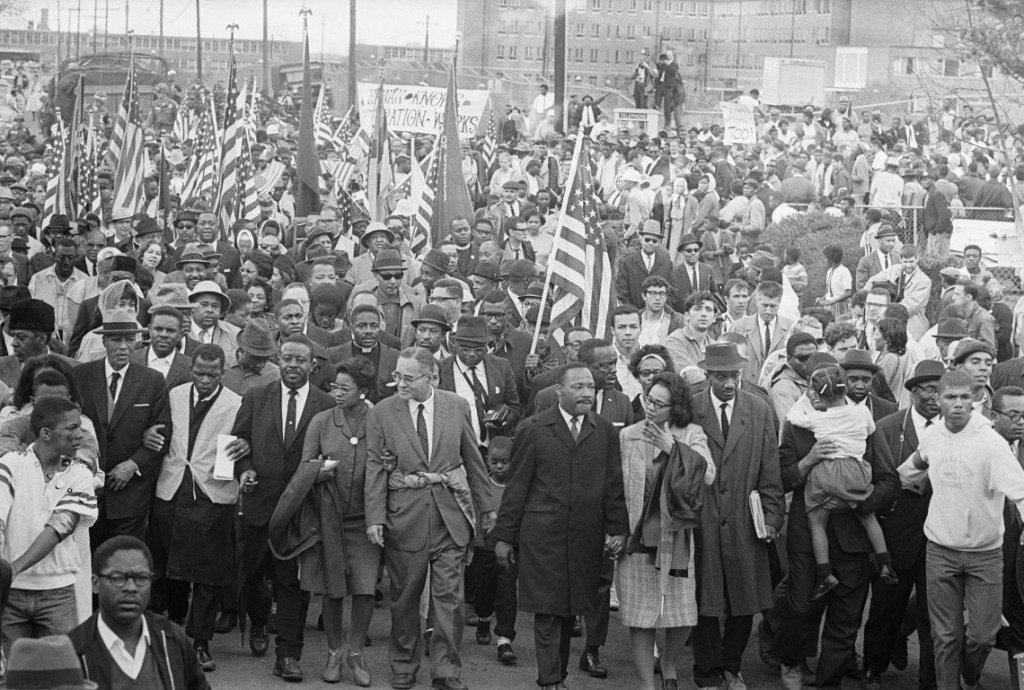
A Decade Under the Influence talked about how revolutions, like Martin Luther King Jr.’s, impacted films

One of the most interesting changes to how movies were made is that they no longer presented perfect people with perfect hair and perfect lives.  The documentary, A Decade Under the Influence Part One: Influences and Independents, talked about this new age of Hollywood.  People wanted to see films that related to the issues of the day.  They did not want perfection.  The documentary says that this mentality came from all of the revolutions going on in the 60s.  There was a change in style of movies, and as was said in the documentary, “This world was new and open and anything was possible.” 

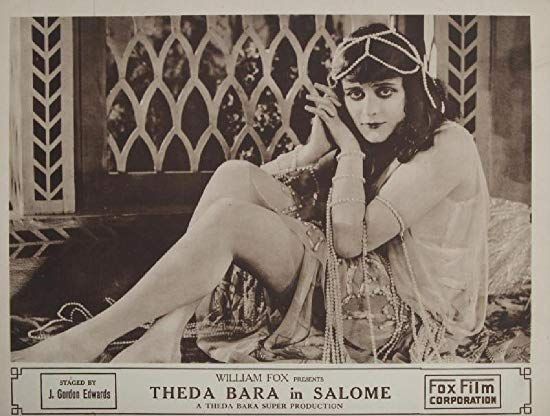
Theda Bara–one of the first women to really express sexual scenes on the screen

Also discussed in A Decade Under the Influence was the increase of independent films and the addition of more and more sexual scenes that were accepted in movies.  The documentary, Why Be Good? talks about the beginning of sexual scenes in movies and the censorship that accompanied it.  Jeanine Basinger says in the documentary that when these kinds of scenes started appearing in the early 1900s that they brought up the issue of, “what’s appropriate for people to see…so censorship immediately emerged as a key issue linked directly to the medium of film.”  Film was a new thing, so it was a controversial issue about what was okay to be in a film and what was going too far.

MPAA logo

The documentary, This Film is Not Yet Rated, picks up this idea in the modern realm as it discusses the MPAA and the ratings that it gives to movies.  The movies with the most inappropriate material is given the dreaded rating of NC-17, which the documentary says is the equivalent of an X rating.  This Film is Not Yet Rated was very insightful.  The rating that producers get for their movies impacts their ability to market their films, and if they do not accept the rating that the MPAA gives, then their movie will not be able to be played in a theater, and it will be very hard to get people to buy it.  One of the most controversial aspects of the MPAA is that the identities of the raters of the movies are kept secret.  This makes sense to some degree for protection purposes, but the producers in the documentary point out that it does not seem fair for their movie to be turned down by a group of people that no one knows who they are.

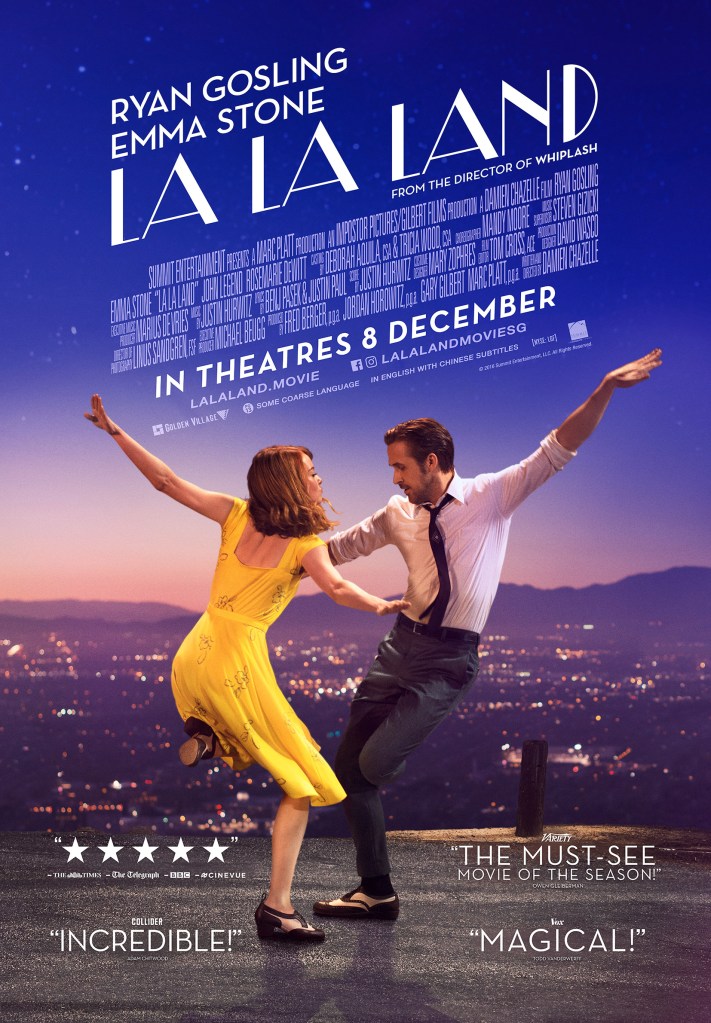
La La Land–one of my favorite movies, was given a PG-13 Rating

Even with a rating system preventing which films are marketed, motion pictures have come a long way from the early 1900s.  Is this influx of independent films a good thing?  Have certain films become too progressive?   Do films influence the culture more or does the culture influence films more?  Should films be rated by an unrelated person to the film and should the raters of the MPAA be anonymous?  These are all questions one must ask to dive deeper into the world of motion pictures.

Should Filmmakers Have Creative Freedom?

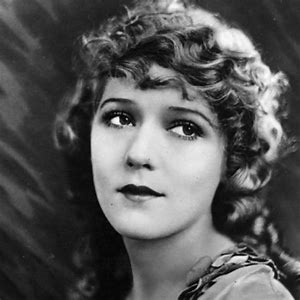
Why Be Good highlighted the 1920’s during a period when people were coming out of the Victorian era and people were introduced to film and cinema and began to wonder, ‘what is appropriate?’  It was a time of social, military, and artistic advancement.  At the time, many churches frowned on theatricals as being worldly.  Women actresses like Mary Pickford offered a fresh, honest approach to acting.  She was a nude actress but did not do anything she did not feel like doing.  She was also the most beloved female movie star and for a time, the most powerful woman in Hollywood.  She wielded great influence on the studios and her audiences.  Women would see the elaborate outfits she was wearing, and she became a fashion symbol.  

Mary Pickford, 1920’s

It was the era of the flapper, a whole new revolution for women.  It was considered art to see a women nude.  Actresses like Clara Bow and Louise Brooks helped usher us out of the Victorian Era and for the first time, viewers were seeing emotions and sexuality on film.  Soon, the studio conglomerates began to realize the effect these actors had on the public and their persona.  The artists were living in a time when sexuality was being revolutionized and filmmakers were testing out the boundaries of film by portraying women nude and in a more natural.  It was a time of celebration and though women were being celebrated on screen, the studios expected them to maintain a “clean persona” off screen and above all else to stay out of the papers. 

Louise Brooks

Eventually, the studios would try to constrict what the actors/actresses did on their own time because they did not want a scandal in the newspapers.  Anything goes on screen they said.  The studios were fine if the actor/actresses were bringing in the money.  This seemed like the studios owned the actresses and some of them rebelled.  Mary Pickford, along with Douglas Fairbanks, Gloria Swanson formed the United Artists, or UA to have total creative and financial control over their movies.  In 1934, the Production Code Administration was established and required films to obtain approval before released. 

“A filmmaker does not want censorship.  A filmmaker wants to be free to tell a certain kind of story and to make the films they want to make.” – from Why Be Good

Within a span of 35 years, rapid change of what is created on screen, censorship, and what is viewed on screen transformed.  In 1968, the film industry set up a censoring rating system, categorized by the Ratings Board.  Basically, a bunch of people whose identities are unknown who decide what is morally ethical and what is not and therefore should be censored.  It was total genius that in This Film Is Not Yet Rated Kirby Dick, Filmmaker and Interviewer hired a Private Investigator to find out who the members of the Ratings Board were.  Jack Valenti oversaw the board until Dan Glickman took over in 2005.  Most of the members were married and parents and were trying to assign ratings to films that they considered unsuitable or that have nudity and violence.  They most harshly rated being nudity.  Violence seems to not be a real issue to them.  Who gives THEM the right to determine what we can or cannot watch?

The ratings include:

NC – 17 – No children 17 or under

R – Restricted, no children under 12

PG-13 – Parents are strongly cautioned

PG – Parental Guidance suggested

G – General Audiences

The problem I have with the Rating system and the Board Members is like Kimberly Pierce, Director of “Boys Don’t Cry” verbalized, who gives them the right to decide what is morally right?”  Adding to that, to prevent a filmmaker from being able to market their own film without constraints? Personally, I feel like violence should be more censored than sexuality.  The ratings board should not be a private organization, it should be public, and they should only serve for a period of time.  I think that people should have the right to decide for themselves and artists should have more freedom to create their movies.

Question:  Do you think that the current movie ratings system is working?  What do you like about it or what would you change?

Works Cited:

This Film is Not Yet Rated:
Why Be Good?

A Decade Under the Influence (Part 1):
https://vimeo.com/152813864

Movies

When I was younger, watching a movie was usually a pretty big deal. My whole family would go together. There are 4 kids in my family and we are all only one year apart. So, as you can imagine, a trip with 4 kids to a movie theatre was quite the adventure. It was basically impossible to pick a movie we all wanted to go see. So the process of picking out the movie would start days in advance. Each of us constantly making the case for the movie we really wanted to see, trying to convince the others to switch their opinion on it. In the end, my mom made the final decision. No matter what she chose, at least one person was very unhappy and grumpy for the whole day. Someone was always begging for a snack. I always asked for the big jawbreaker. But I think I only ever actually got to have the jawbreaker once or twice. There was always a lot of complaining and fighting, but those trips to the movie theatre stick out as a good childhood memory for me. My family was all together, and that almost never happens anymore. 

So, as you can see, watching a movie used to be a communal experience. The whole family would watch together, and then we would talk about it for the whole ride home. Who liked the ending? Who didn’t? Who predicted the big plot twist? And it always left us with some inside jokes or lines we would like to quote consistently for the next month or so. Now, as we grow up, going to the movies is not as much of an adventure. It is something you do with a couple close friends when you have nothing else to do. Most of my movie consumption in the past couple of years has been a solely individual experience. Just me and my computer, sitting on my bed, watching on a streaming platform. 

A night (and a morning) at the movies

https://www.oppl.org/news-events/digital-learning/watch-more-on-kanopy-views-increased-to-20-a-month/

This is funny because this is where movies started. We finally came in a full circle. When Edison invented the moving image, it was made for a single viewer. This then evolved into the big motion picture which allowed for multiple users. Now, we are back to a single user medium. 

Movies *POSTED LATE WITH PERMISSION*

Storytelling has been around since the dawn of humans. Defined storytelling means “the activity of telling or writing stories.” As a form of expression and a way to bring other humans into the world of an individual’s consciousness. As such, the tools someone chooses to tell this story leave room for innovators to be creative. Hence the birth of motion pictures, also known as movies, was born. The film gives the audience depth and sensory realism in the form of frames. These frames attached to other structures give us a sequence, and with that, a new way of storytelling was created. Initially invented in Lyon, France, Auguste, and Louis Lumière invented the cinématographe. The “lightweight film projector also functioned as a camera and printer.” (Understanding Media and Culture). The camera’s attributes gave the ability to capture outdoor filming and travel more efficiently. Patenting their invention, Louis Lumière lacks hope in their vision, but the demand for this new entertainment form proliferated. Around the world, information about their invention soar and a new era of feature films follow suit.

   After the rush of silent film, moviegoers became excited by the thrill of the creation of movies. Before sound, silent cinema was mostly animated actors, orchestra, and sub cards, which helped the audience follow the story. Director and filmmaker D.W. Griffth grew in reputation during this era to learn a new technique of storytelling. Practicing parallel editing, he learned how simultaneously illuminated illusion and emotions. This was great as it heightens viewers’ scenes to drama, thrillers, or actions. Many other filmmakers learned the technique in editing that added value to the motion picture through silent film. Also, Griffth used his newly discovered technic to captivate his audience in his controversial film “The Birth of a Nation,” which spoke on political differences in society.

   Nonetheless, places like the United States wanted a piece of this pie. Realizing the massive spike of theater attendance and the power films had to motivate a nation, Hollywood became focused on creating their entertainment industry. “Control of the movie industry was exercised by the so-called Big  Eight studios, whose filmmaking factories in Hollywood fed their nationwide distribution operations.  The most powerful of these firms were the fully integrated Big  Five  studios– MGM, Warner Bros., 20th Century Fox, Paramount, and RKO – which not only produced and  distributed  films but  operated  their theater chains  as  well.” (The Studio System and Conglomerate Hollywood). Independent studios worldwide began to owns rights to writers, directors, actors, release, distribution, and viewing. United States transformation into their own powerhouse in the entertainment industry attributed to its “Golden Age” in cinema, which occurred in the late 1930s and early 1940s. In parallel, during this time, World War II was occurring, movies became a form of escapism, while also illuminate a new wave of people anti-war. Nonetheless movie industry increased in revenue which also increased U.S. economy. 

My Question to the reader: Explain how your favorite movie made you feel while watching?

Motion Pic

The concept of motion picture is a very unique one. Purely for the entertainment of the audience. Something we could easily live without but also something that has changed all of our lives for the better.

Nothing makes people more comfortable than watching a movie in their home. There is so many genres and types of movies you can watch. I strongly believe that there is a type of movie for every person on this planet. Motion picture was invented in 1892 by Edison and Dickson. Their invention obviously took off almost immediatley and was commercialized the following year. It obviously never looked back from there. Expanding and expanding quickly across the world. The field of cinema turned the world around. Jobs and lifestyles have come from that industry. Actors and actresses are some of the highest people in the world making you an instant celebrity. Thousands of movies are produced every year across the world.

For our film this week we were assigned to watch “Film History: Rise of the studio system. I really liked the brief history that it gave on the start up of motion picture. Edison ended up not happy with the amount of foreign films on US screens. He stablished a group called “The Trust” or “Edison Trust” in which their responsibilities were to standardize the distribution of movies and motion pictures, making it allowable to only have US films shown on US screens. They introduced the concept of rentals and tried to end the basic sale of movies and films. They were cut as a group in 1915, only seven years after they established, they shut down. Shut down for conflicts within the industry. In the film they talked about how the US was so successful because of pivotal political and global factors around that area in that time frame. The three examples and major events that were talked about to back up this statement were the fact that the Panama Canal opened, Franz Ferdinad was assasinated and also “Filming of a Birth of a Nation”. The Panama Canal opening was a huge factor because that really showed everyone that we were in “perfect economic condition”. This made it able to produce very quality movies and films. The US put a lot of time and effort and money obviously to produce “Birth of a Nation” With Franz Ferdinand dying, that forced Europe into World War 1 making the film production all over that country to come to a hault only boosting US to jump over competition when it came to film production at that time.

I really liked this film as I learned a lot about the history and how motion picture really lifted off. I don’t think we realize how much we learn and focus on movies and short mini series. We spend a lot of our free time on. Netflix or Hulu or any other streaming site and we sit for hours and watch these movies and series. Films and motion pictures consume so much of our time.

Academy Museum of Motion Pictures will open in December - Los Angeles Times

Movies

Throughout my life I rarely took the time to watch movies until this past year. It was partly because I rarely had/have free time and when I do I am doing other things than watching a movie. My girlfriend however loves movies so I have probably watched more movies this year than in the past 4 years combined. My parents have also always been very big movie fans and are watching a movie weekly. Although I haven’t seen very many movies at all, I have seen some pretty great movies from all decades.

I am from a town called Newcomb in the Adirondacks. I am located about 45 minutes north of Lake George and an hour south from the closest place to view a movie. Compared to most people I know today, going to see a movie was a slightly bigger deal than it should be because we had to leave the mountain. It was always a fun and special occasion with my family and friends because we had to make a day of it every time. It all felt different back then. It was a time before any type of streaming service and before any kind of cable recording was possible. I feel that we often take going to see a movie for granted and the traditions behind it but I don’t necessarily see a problem in it as well. Technology has advanced to the point where we can experience the same things from the comfort of homes or any place we choose to watch a movie.

Since the early 1900s movies have morphed into a form of entertainment and escapism. If the movie is well made, they can really pull at your emotions in a way that text could not. The combination of the visual effects, the atmosphere, suspense, and anything else prominent in movies all play very important roles in tailoring a specific experience for the viewer. Cinema viewing originally began in 1891 with Edison’s kinetoscope after celluloid roll film was introduced in 1885, and have rapidly evolved to what we have today. Early cinematography began with stop motion pictures, live action films, and 2D animations. Silent films set the foreground for all movies to follow after and sparked the creativity and exploration into cinematography, creating what we see today. These films forced you to pay attention and used music and sounds to influence how you watched and felt during the movie. One of the most interesting things about film for me is how music and sounds are created and used to stimulate certain feelings or emotions in movies. Music is able to create suspense, anxiety, fear, sadness, love, etc. for a wide array of movies. Without music or sounds scary movies would not be scary at all and basically any movie would be extremely bland and uninteresting. Now we have some of the most mind blowing technological capabilities when it comes to CGI and other visual effects like 3D animation stimulated by a computer.

At what point will the film industry reach its technological peak and how close are we to achieving this right now? Will we ever surpass 4K 3D cameras and cloud based technologies?

Motion Pictures

Motion pictures were first presented to society in New York City in 1888 by Thomas Edison. It brought a visual element to storytelling and literature. Something new and exciting that people could collectively join in viewing. The power of motion pictures I believe caused a change in how people viewed others. Instead of always listening to information or entertainment you could see it and some say that seeing is believing.

Motion pictures provide audiences with the ability to travel the world, experience tragedy, love and several other emotions without leaving a theater. Motion pictures are all over the world and easily accessible. Society loves motion pictures but the collective amusement of sitting in a movie theater and enjoying a movie is dying in our world. Generation Z and millennials have formed a society that wants things instantaneously and at their own leisure. Motion pictures will still be a thing but when it comes to movie release dates and the attraction of a movie theater, I believe in the next 20 years it will be a dying business. If we look back at history, live attractions were at the epicenter of entertainment. Even as far back to the Roman empire and coliseums. Live entertainment slowly died out because of changes in the wants of generations and you can say the same for the viewing of live motion pictures.

I am a heavy movie lover and I’ve enjoyed that sort of entertainment but I don’t necessarily enjoy going to theaters. I’ve lost the passion and interest of theaters because I just don’t have the time anymore.

How often do you go to the movies?