Category Archives: Uncategorized

Rated

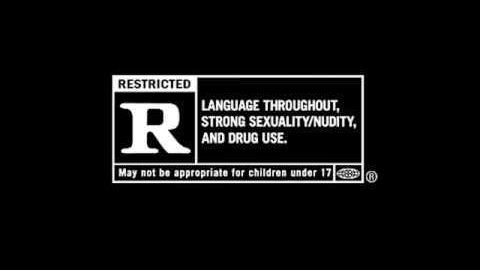
A film being rated a certain way that it is, is a concept that most people just look over and simply use as quick way to find out the mood of a movie. It’s extremely important and pivotal in the movie industry, but is it more than just a letter?

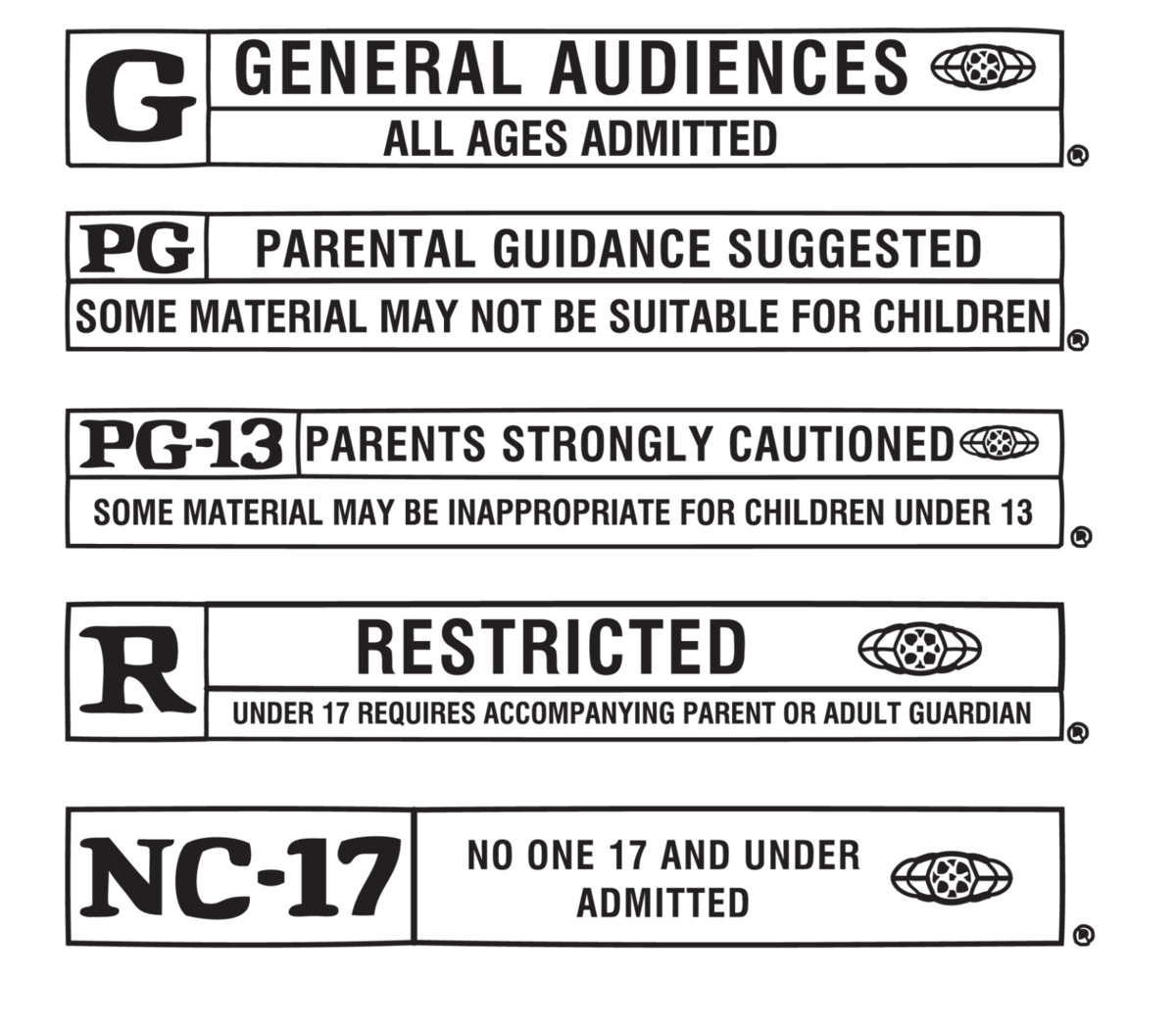
There is so many positives to having a movie being rated. Movie ratings are very important to parent’s. Everyone wants there kid to be so innocent and every parent tries to hold their kid back from seeing certain parts of life for as long as they can until they start getting older and are more mature for that content. For that reason, parent’s love ratings. It gives them information about what is in the movie and if it is appropriate enough for the whole family to watch. Nothing is more embarassing than an awkward scene coming up in front of the whole family, especially as a parent (I can assume). The whole concept of ratings was created in 1968 with a simple letter format to indicate the rating of the movie. It went G,M,X (R). PG replaced M later on and PG-13 was created in 1984.
Are There More R Rated Movies Being Made?

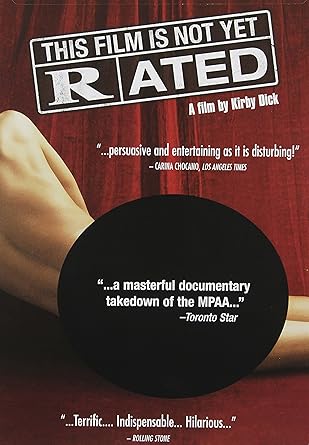
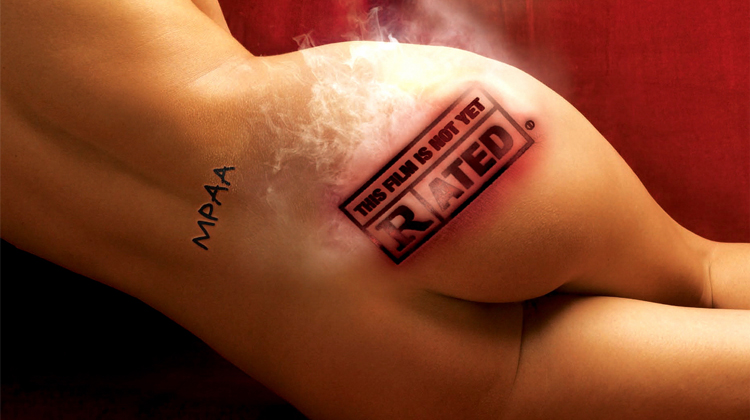
This week, we were assigned to watch “This Film is Not Yet Rated”. It’s a documentary that was made in 2006, basically going over America’s rating system and the effect it has on the American culture. Most of the attention is pointed towards Hollywood films and independent films. They go more in depth with how they think movies should be rated. Points were made about an assortment sexual scenes, scenes involving drugs, swearing, and nudity. I really enjoyed watching this film because it really opens your eyes to whats actually behind the ratings of movies. This film was directed by Kirby Dick and produced by Eddie Schmidt. The MPAA were a big factor in this film, The MPAA is the highest order of people to give a movie a rating, they give the final word. The MPAA gave this film a NC-17 because of the slight sexual content. 

The second film we were assigned to watch was “A Decade Under the Influence” which was an American Documentary Film and is all about the “turning point” in American movies during the 1970’s. It was directed by Ted Demme and was actually his last film that he directed before he died in 2002. I liked this film as well, It’s interesting hearing about what made the cinema world blow up and how did it happen. Everything they thought would change the world is blown out of the water now by newer and more quality technology. If I had to pick between the two films thenI would definitely choose “This Film is Not Yet Rated” because I could relate to that more and it was more about modern cinema, but I enjoyed learning about the past as well.

The Cinema industry will always be in our life, but so will ratings. Overall, I think ratings on movies are a very helpful and useful tool for so many people when researching movies. 

Why family films have PG ratings nowadays... by JIMENOPOLIX on DeviantArt

Ratings

In This Film is Not Yet Rated it becomes clear that the MPAA’s ratings of movies can be seen as a form of censorship. While some ratings are used to give the audience a sense of what to expect, and to protect children from seeing something that they are not quite ready to see, it can also prevent certain films from even being seen in theatres. I wonder if there are specific standards that the MPAA has to look for to deem it such a rating or if it is just opinion. 

What I found the most interesting, was the difference in the way that violence and sexual content were treated. And by sexual content, I actually mean showing the human body. It doesn’t even have to be explicitly sexual for it to be ruled inappropriate. Yet, violence seems to always slide past the MPAA. There are countless PG-13 movies with intense violence. I think that it is more important to be harsh on violence. Seeing violence can desensitize people to it or even encourage people to be violent in their own life. Yet, seeing the human body is not connected with any actions. The body is a natural thing that everyone has. I am not arguing that nudity should be shown in lower rated movies. But I do think that the ratings regarding violence should be more strict.

Are Films Rated Fairly?

As someone that’s been going to the movies/streaming them on Netflix for what seems like forever- I never really understood the method in which they were rated. From first glance and a practicality standpoint, it seemed as if excessive nudity and profanity made a movie rated ‘R’ while some swearing and more minor viewer discretion caused for it to be rated PG-13 and so on. After viewing ‘This Film is Not Yet Rated’, a documentary highlighting the ways in which the Motion Picture Association of America uses its rating system to classify movie ratings, I was very surprised. Movies are given highly subjective ratings in a largely un-regulated organization leaving plenty of room for bias, personal opinion and prejudice to play a factor. This 18+ documentary incorporates both parts graphic and humor to fully outline the different aspects incorporated into designating movie ratings. For example, the distinction between a movie being rated R and NC-17 with viewings of sex and violence. The ratings board is shown through a critical lens and shows little sympathy to it’s obvious room for error.

The evolution of movie ratings | News for Fenton, Linden, Holly MI |  tctimes.com

One of the issues pointed out was how the ‘F’ word could only be spoken once in a film with a PG-13 rating. If it’s said twice, the it’s automatically given an ‘R’ rating. How shocking is that?

I found it interesting to read some of this film’s top reviews to see what other people thought of this very intense ‘in-your-face’ documentary and found that most people enjoyed the humor and outlined lack of sense in the grading. This movie is not for kids and some adults mentioned that that it was a little too vulgar for them and should in fact be rated ‘R’. There were a few people who rated it very low and thought the cast was just rude and unprofessional. Too much so to really prove any viable points or justify their view of this ‘unjust’ system. The 2006 documentary did really well, earning 7.5/10 stars on IDMB and winning a series of awards like the Austin Film Critics Award for Best Documentary.

Amazon.com: This Film Is Not Yet Rated: Kirby Dick, Kimberly Peirce, Darren  Aronofsky, Atom Egoyan, Matt Stone, Jon Lewis, David Ansen, Martin Garbus,  Wayne Kramer, Paul Dergarabedian, Kevin Smith, John Waters, Kirby
question of the day: What's with this “appropriate audiences” stuff? |  FlickFilosopher.com

After viewing this film, many will think twice before going by the mere rating of it. I don’t think ever see this announcement the same after going to my next movie.

Looking back at movies I’ve seen in theatre’s I can recall really questioning why a certain movie was rated the way it was. I remember one time going to see ‘Baby Driver’ when it first came out with my friend and forgetting my ID. We were both 16 and waited in line for what seemed like forever. I was never asked to show identification at a movie theatre before and when we finally got to the register, I was really surprised that the teller even asked me for it. It seemed like such a ‘teen movie’ but it was apparently, rated ‘R’. We left and ended up just getting frozen yoghurt that night, and laughing about it. Then, I went back to see it a few weeks later with my mom and just remember thinking ‘this is rated R?’ I saw no real reason except for maybe speeding and some swearing. Researching the given reasons now, it was given an ‘R’ rating by the MPAA for ‘violence and language throughout’. This alludes to there being ‘motor violence’, gun and weapon activity and the portrayal of blood. Needless to say, I never forgot to bring my I.D. to the movie theatre again.

This is an article on 10 movies you’d never guess would be rated ‘R’. I was shocked at some of the mentions including ‘The Breakfast Club’ and historical drama, ‘The King’s Speech’.

https://screenrant.com/movies-that-would-not-be-rated-r-today/

Has anyone been turned away from seeing a movie (while under 18) for not having an I.D. or not being with an adult? If so, do you think this was unnecessary?

Is the Movie Rated?

Growing up I always saw that movies had a rating and a lot of people would pay attention to those type of things. I really never paid attention to them but I knew what they meant. My parents were very lenient when it came to them. But growing up and wanting to watch movies with my friends, their parents would not allow them to watch movies because of the rating of the movie. This was always very disappointing as well as confusing to me because I was not used to this. Although my parents were okay with me to watch these movies does not mean everyone is okay to watch them. Should there still be a rating though there are parents like mine that do not look at these ratings? Of course! Though some do not care about the ratings, these rating give parents or guardians a heads up on what is to come in the movie. Some families swear more than others in the household and and if a movie is rated higher than G because of language parents might be okay with their child to watch the movie because they are used to it in the household. Now if there is nudity parents may tend to shy away from the kids being able to watch the movie.

I feel like rating like this are very important to an extent. Movies are a great example of media that should have ratings. You want to know what to expect before watching the movie. No parent wants to be watching a movie with their family and then having a sex scene start in the movies. Now some say there should be a rating to all media. Such as TV, Music, and social media. And there is rating is there own way. Music is categorized as explicit or clean. TV has parental guidance warning before shows that need it. Social media has parent locks and filters. Now some like all of these filters but some hate them. My question to the audience is, should there be all of these filters or should people have a lighter handle on the children’s lives?

Who’s rating our film?

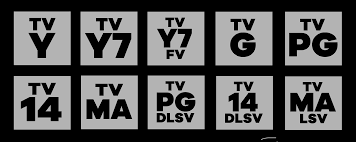
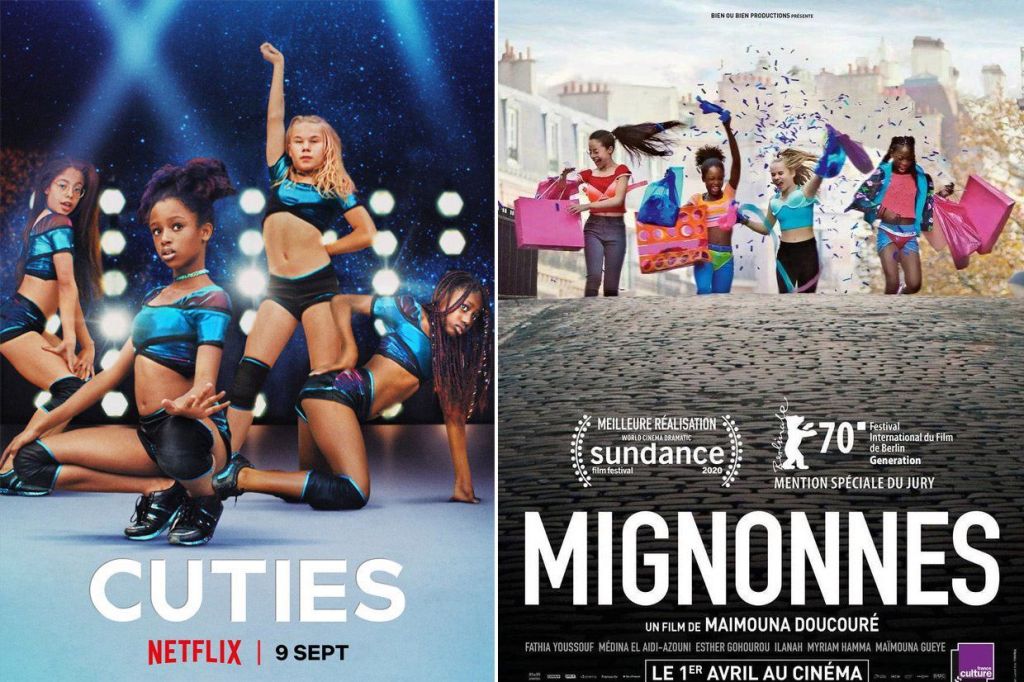
        As I fight the urge to click on Netflix for the third time today, I noticed a new film was out called “Cuties.” Directed by Maïmouna Doucouré, Cutie is a coming-of-age drama film that stars a dance crew of young girls whose strict Senegalese family’s tradition has resulted in their rebellion to express themselves. Nonetheless, in these recent days, Netflix has been experiencing enormous backlash on this movie as it is rated TV-MA, and critiques believe it is illuminated child-pornography and sexualize manners. First, and for most, TV-MA is ranked as a mature adult audience. Intending that this program is for a mature audience and contains content that may be “unsuitable for a child under 17.” As the controversy leading with this film began to grow, I can only wonder who rates our movies. 

       In this week’s screening, we uncover the secret world of the individuals who governor what the world consumes. “This Film is Not Yet Rated” is a documentary directed by Kirby Dick’s that examines the “standards and methods the Motion Picture Association of America (MPAA) uses to rate movies.” The MPAA “was established in 1922 by the major Hollywood production studios in response to increasing government censorship of films, which arose in turn from a general public outcry against both indecency on the screen and various scandals involving motion-picture celebrities.” (Britannica.com) The MPAA, which was seen in “This Film is Not Yet Rated,” is sought as a secret world of people whole watch and rate movies. These individuals aren’t disclosed, which the MPAA director states for their protection. By protecting the boards and raters, identity ensures that they are threatened or persuaded to rate the movie favors.

            However, with this organization’s secrecy, I can only wonder the negative effect of hiding the board’s identity can have on their reputation and alliances. In the film, MPAA was sought to favor larger production studios such as Paramount, Universal, Sony Pictures, etc. After providing the rating for these huge production studios and independent film, it was recorded that the MPAA director shouldn’t provide information on the parts of the film that was out of appropriate guidelines but provided information to largest studios. 

    “Lacking the finan-cial  resources  and  contract  talent  to  mass-produce  movies  for  a  declining  market they  no  longer  controlled,  the  studios  now  relied  on  independent  producers  to supply “packaged” projects that the studios would “green light” for production, putting up  some  portion  of  the  budget  in  exchange  for  the  distribution  rights,  and  often leasing  out  their  production  facilities  as  well.  This meant ceding creative  control to  independent  producers  and  freelance  directors,  and  also  to  top  stars  whose “marquee value” gave them tremendous leverage and frequently a share of the profits.” ( The structure of the industry)

While most of the board is still in secrecy, many questions remain about who and why people such as MPAA dare to become the “all-might decider” if a movie should be funded for distribution into a movie theatre. Thus, Netflix movies like “Cuties” that claim ratings such as TV-MA, which who knows may have been rated differently if it wasn’t under Netflix.

My question to the reader: IS NC 17 (No children Under 17) worse than R (Restricted audience)? 

https://www.britannica.com/topic/Motion-Picture-Association-of-America

Movies Part 2

The two part documentary showing the private investigators hunting down the people responsible for rating movies was very interesting. Also, pretty graphic but, being a 21 year old male I didn’t really mind.

I thought it was really messed up how the rating system works for movies. People forget movies are an art form and the director is doing something for a reason, everything in a movie has a purpose. That is one element to movies I love. I also wasn’t totally shocked that when it came to the gay sex scenes opposed to male and woman scenes that the rating would be different. People have always been harsher when it comes to stuff like that. There is a factor of uncomfortableness that comes along with that and some people end up getting really bothered by it. But why are those people, who end up being uncomfortable with that get to “dictate” the ratings. If all humans are equal, like we say we are then there should not be a different view when it comes to gay or straight sex scenes. Imagine being a gay director in Hollywood trying to make a name for yourself and the movie doesn’t end up being seen by a large audience due to the rating in which it received because of a sex scene.

I also don’t believe it is fair to keep the privacy of these raters names. Basically all information today is public and if not you can request information. The names should be known and the people should not be in the shadows while directors get angry by their decisions. If these people and directors had a decent relationship and co-existed among each other then maybe there wouldn’t be some much hate from the directors in the raters decisions. The directors and raters could share information and directors would not be so surprised when their movie would get rated, and they could help each other out. But at the end of the day the director has a vision on where they want to take their movie and that tends to be more important to them than pleasing the people rating the movie.

should the rating system evolve?

The documentary called “This Film is Not Yet Rated” is based on sexual content movies that are given harsh ratings. In 1915 there was a court case called Mutual Film Corp V. Industrial Comm’n of Ohio, the court outright movie censorship. Films were banned from being shown but years later the court reviewed and realized it violated our First Amendment.

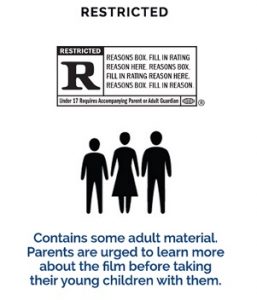
In 1999 the motion industry had a group of parents that would rate movies to help other parents what movies should and should not be watched by kids. G stands for general audiences which means no swearing, no sex, no drugs, violence was to be cartoonish. PG stands for parental guidance it can have swearing some minor nudity, and light violence. PG-13 stands for parents strongly cautioned, this has a lot of the word “shit” and allowed to say fuck once. R stands for restricted no children 17 or under, these films have sex themes, sex talk, sexualized nudity, tough language, tough violence. If there is sex it must be missionary. Nc-17 stands for no children 17 or under, these movies will not be released, sex is a problem, but violence was not the problem on why this women’s film was rated Nc-17.  Film makers has no freedom. If film makers do not accept the rating, then they cannot advertise.

In the 1990’s a parent tried to sue a California movie theater because a 13-year-old went to watch a rated R movie called “Dead Presidents”, but the complaint was dismissed.  The Hays Code was from 1930 to 1968, the Motion Picture Production Code banned lustful kissing, Illegal drug use, Interracial romance, detailed depiction of crime. The words like God and Jesus Christ were banned as well.  In 1968 the first MPAA ratings were created. G was General Audiences, M was mature audiences, R was restricted, and X was no more under 16 admitted. The first movie to be rated R was in 1968 called “the Split”. In 1972 the M rating was changed to PG, in 1984 the PG-13 rating was created.  The first movie that was rated Pg-13 was called “The Flamingo kid” in 1984, in the late 1980s the X rating was replaced with NC-17 in 1990. The movie called “Henry and June” was the first to be rated NC-17.

I feel like this rating movie system is not working anymore. In today’s world kids are raising themselves, little kids are playing killing games that aren’t cartoon form every day, I know some that are saying the word fuck at four years old because their parents are saying it or they heard it from a game or movies. I have been bringing their kids to a rated R movie in the movie theater and the workers let them. Kids might not fully understand what’s happenings, but they are stilled influenced. I remember when I was a child, I was not allowed to do any missions the first GTA which had terrible graphics, the blood was more cartoonish. My father thought I would turn in to a bad child, looking back on that I find funny because now kids are now playing there 4K modern warfare, or other first-person shooting games. Now a days there isn’t a lot of movies that do not have nudity or swearing.  

Controversy and Implications of Ratings

We’ve all seen ratings on movies and TV shows. Who hasn’t as a 16 year old wanted to see a movie SO bad only to find out it’s rated R and you know your parents won’t take you. And to lead off of that, one of the benefits of turning 18 being that you can finally go and watch whatever you want. It’s a common joke that kids dress up in a giant trench coat to try and sneak into movies they’re not allowed to see. Things like this kinda make it feel like it’s just another one of those things we deal with in life and it is how it is. But should it be? Sure, it’s probably a good idea to keep your young children from seeing borderline hardcore pornography, but when does it begin to feel like it makes the human body controversial?

As you watched the movie This Film is Not Yet Rated, you begin to notice some of the common themes that the MPAA seems to censor. A couple of scenes showing someone being brutally beaten, shot, and bloodied would certainly be the biggest concern, right? Violence can be disturbing and it’s been a longtime argument that younger minds might become desensitized to that or begin to glorify it. But that in fact isn’t true. It seems the MPAA has much more concern around the human body, something very natural. As an art student, even in 9th grade, I came to terms that the body isn’t something to be shunned or seen as horribly inappropriate. I came to appreciate the body as a natural beauty, and something that should be less stigmatized. We sketched a nude model and her curves, how the skin folds, and the flow of how the body stretches and sits. Yet the MPAA is shown to heavily censor scenes where a woman’s pubic hair shows, or where a woman is deriving pleasure from sex. Again, all very natural things. Though, if you were born female, you know women’s bodies are already under constant restriction and criticism, it’s nothing all too new. Women are expected to be rid of their natural body hair or else they’re seen as disgusting, and it’s a common shared experience that women don’t typically get off during sex if it’s with a cisgender male. In a way, the MPAA rating seems to be very sexist in the way it rates movies. A point brought up in the movie is how a lot of things are to be seen through the male perspective, and a woman being natural or enjoying herself seems unnatural or gross. Not even to touch on the apparent censorship of LGBT+ narratives.

We discussed before how movies are supposed to reflect the time and public feeling. Movies are being made to do exactly that, to show that women with pubic hair are natural and they should be able to have pleasure in sex, but it’s being censored. The MPAA seems to be a direct road block in the progression of movies and what current artists in the industry feel is important to touch upon. In a way, it’s trying to keep views stagnant and contain the views of those now coming into the industry. Though I believe ratings and censorship is to an extent, something that should exist, I believe that as it is today is unacceptable and needs to change. Movies need to be able to speak on what they want and express thoughts on the world today.

Do you feel that the way movies are rated needs to change? If so, do you have any idea on how?

Getting Down with the Ratings..!!

Ratings have been a thing in our society for all forms of social networks from TV’s, to computer sites, and to movies. We use ratings to make sure the film we are about to watch are within our grasp or age range. Ratings are a way for producers to display the message of the movie to the right audience. You don’t want a bunch of kids seeing 50 Shades of Grey! Therefore this system helps categorize the movies to make them more or less friendly for the set of audiences in society the film makes are trying to target.

In older films kissing was seen as very grotesque and pornographic to movie goers back in the day. But this system has evolved to the acceptance to film audiences of the times. That’s why kissing scenes aren’t as crazy to see in movies now in today’s world. Ratings have been seen as very helpful ways of classifying movies for the audiences pleasure, with changing times still going on I believe that we are heading towards a society that sees sex and other things as an important part of learning and a helpful experience for understanding. This might change the ratings to include other things in society but I guess we will have to wait and see.

Do you think that the movie industry is still evolving to audiences tastes?

Do you think this will cause other things seen as grotesque to become more normal in films?

Film and Ratings

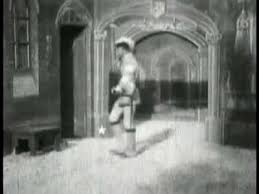
Entering into the modern age of films a lot have changed from classic Hollywood. More topics have become more acceptable to talk about as well as independent film makers to get their art out there. I think a great genre to look at is horror to see the change ( it’s also close to . It started with “The House of the Devil” ( in the US known as The Haunted Castle) created in 1896. It was a three minute film about the devil toying with a victim. (It’s on YouTube incase anyone is interested)

The House of the Devil (1896 film) - Wikipedia

There were a lot of good horror movies between The House of the Devil and Psycho, including all of the great creature features, but the next and seen as the all time best horror movie Psycho. To start tying in “This Film is Not Yet Rated” Psycho is rated ‘R’ now for us Psycho wouldn’t even be close to a rated R film and I was actually a little confused why it was so I looked into it. Turns out Psycho was originally given the R rating but when it was re released in 1968 it was given a ‘M’ rating which is about the same as a PG rating now.

Psycho (1960) - IMDb

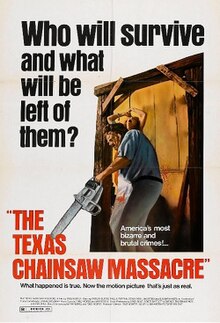
The switch in tone from older horror movies and Psycho is huge, which is why it is considered the start of modern horror movies. The next movie they changed the genre was “Texas Chainsaw Massacre” from 1974. It was considered the first slasher and started the movement that we saw in the 80’s and is having a resurgence now. I personally love the Texas Chainsaw Massacre it’s my favorite horror film there so many levels to that movie I could write a whole blog post about it.

The Texas Chain Saw Massacre - Wikipedia

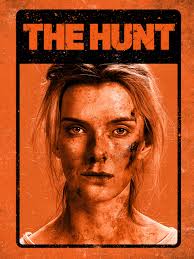
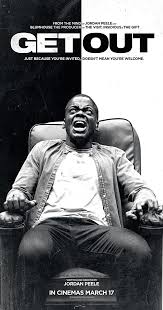
There’s tons of classic horror movies in the 80’s 90’s and 00’s but the last movie I want to talk about it “Get Out”. I assume most people have heard about it and probably know what it’s about but it say now started this movement of political horror. Followed by “Us” and “The Hunt” that touch on the politics and just how scary each side can be.

Watch The Hunt | Prime Video
Get Out (2017) - IMDb

This shift over the years hasn’t just been in horror. Hollywood has become edger and touched on subjects that before were too taboo. I love this change, being able to see real life on the screen instead of just stories is powerful. People can connect more or even learn about other ways of life through movies. Being connected to movies through my brother wanted to direct has shown me a new way of looking at movies and excited about where they are going.

My question for the class: where do you think movies are going? What is going to change due to COVID?