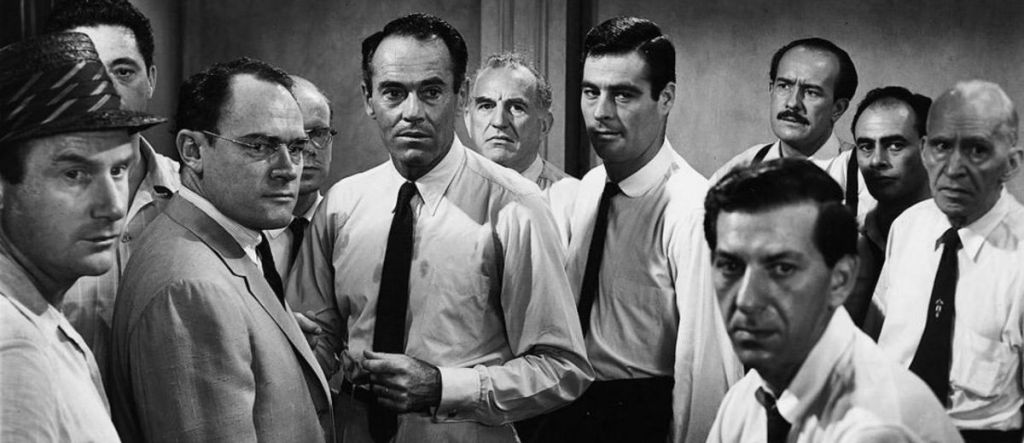
Have you ever been in a situation where your vote could mean life or death for someone else? It is a crazy situation, but that is the place that twelve men are put into in the movie, 12 Angry Men. The men are on a jury, and they need to decide whether to convict this boy to death for killing his father. As they leave the courtroom, they are given the instructions that they must have a unanimous vote of either “guilty,” or “not guilty.” Only one man has the courage to admit that he is not so sure the boy really did the crime, and as the movie goes on, slowly, he is able to pull more and more, and finally, all of the men to his side.
12 Angry Men is a great example of “Groupthink,” which is the idea of everyone in the group making bad decisions because they were pressured into giving up their morals to stick with the group (Comm Power Point). The movie also showcases “herd mentality,” which has to do with the idea of being influenced by your peers to make certain decisions (Comm Power Point).
Early on people are influenced by what their peers do.
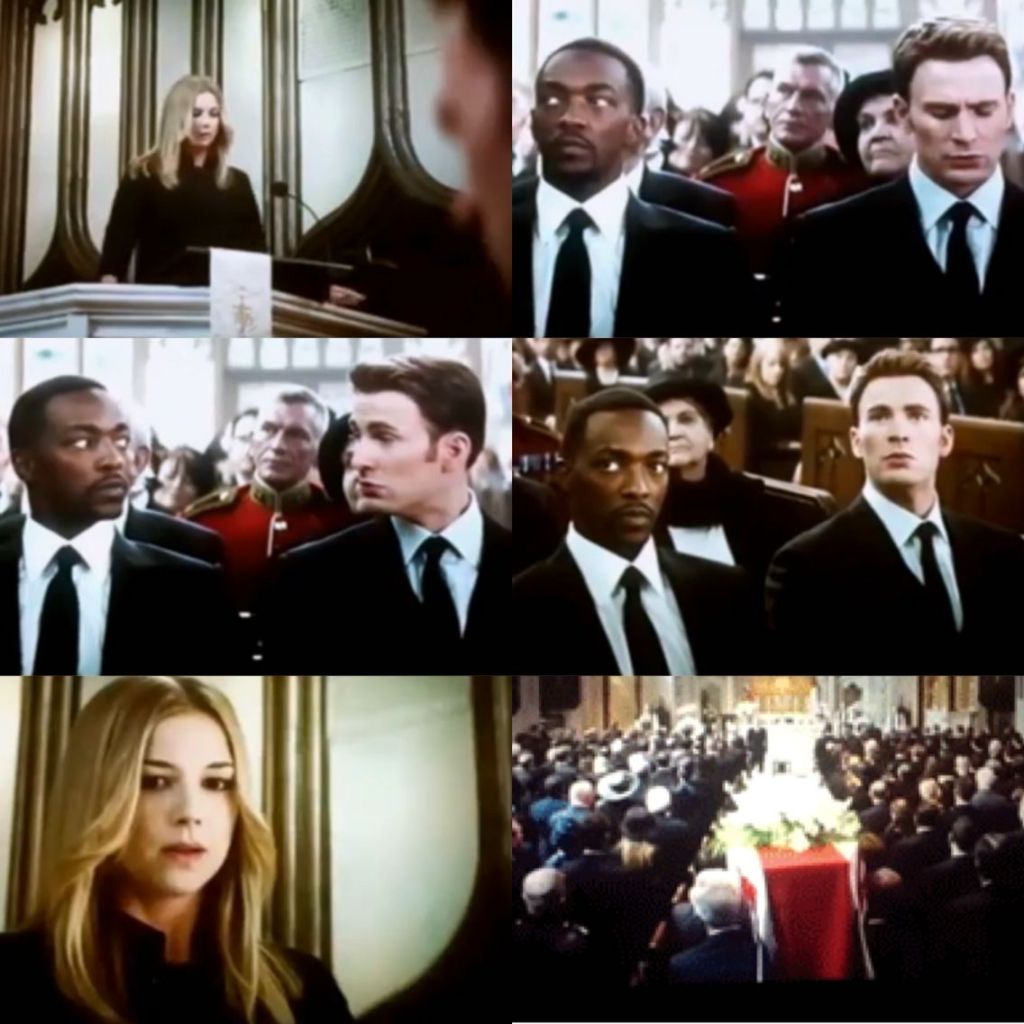
It is hard to stand alone and fight groupthink or herd mentality, especially if people are vehemently against you. That one man was not very popular at the beginning of the movie, but he stood firm. It is easy to go with the crowd, but what is easy is not always right. One of my favorite quotes pertaining to this idea is from the movie, Captain America: Civil War, when Sharon Carter says, “Compromise where you can. Where you can’t, don’t. Even if everyone is telling you that something wrong is something right. Even if the whole world is telling you to move, it is your duty to plant yourself like a tree, look them in the eye, and say ‘No, you move’.”
The scene when Sharon Carter encourages Captain America to stay strong in Captain America: Civil War.
As for an overview of the semester, this class was awesome. I really liked how each week we focused on one specific thing. I think it is hard when you try to fit so many different topics in one week. I really enjoyed the week that we did on radio and music. I also really enjoyed the week we talked about Old Hollywood. Old movies are my favorite things, so I thought it was awesome to talk about how old movie studios were run. I especially loved the MGM documentary. I do think it would have been really fun to talk about comics and video games, but I understand that it was not possible with the short semester.
The other thing that I really enjoyed was the Media Journal. It felt relevant to do, considering this is a mass media class. I had never logged my media intake like that before, and I thought the results were interesting. I especially liked that it was easy to do and it actually taught me something. I also enjoyed doing the weekly blogs instead of doing lots of quizzes like some of my other classes. I felt like with the blogs, they made me think through all we had watched and talked about in class.
The BEST thing about the class though, was Dr. Schlegel. He is a very cool person and very knowledgeable about so many different topics. It was a joy to take this class from him, and I am looking forward to taking more classes from him the future. He made me excited that my major is communications! Thanks, Dr. S!
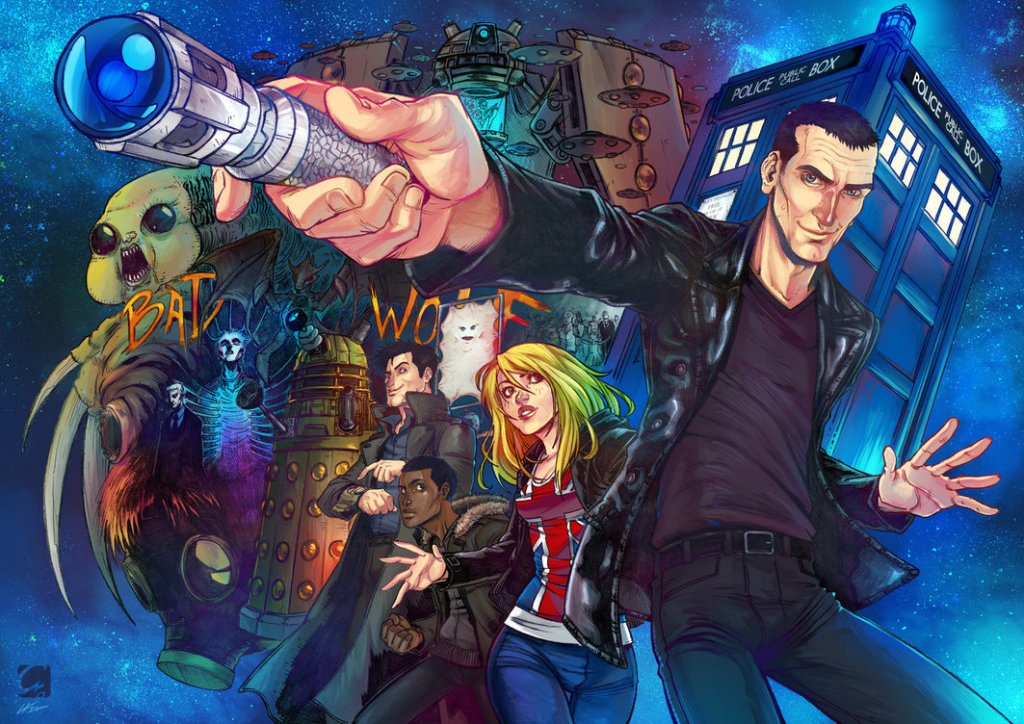
Fans. Fandoms. What could be cooler? One of the best things about media, especially movies and TV shows, is that people have the option to be actively involved with them. Alan McKee talks about fans in his reading, “Fandom.” He says that the word and definition of a fan originally came from describing enthusiastic audience members of baseball in the 19th century (McKee 67). The definition of what a fan was later spread to include other things, like TV shows, with Doctor Who fans being the first to be studied (McKee 67).
Doctor Who Fan Art
The Uses and Gratification theory in communications is all about how people use media, not how media impacts people. According to the theory we talked about in class and on the power point, people will use media to satisfy different needs: Cognitive needs, emotional needs, measuring oneself to others in society, social needs, and to free oneself from tension. Fans and fandoms are the most perfect example of this theory, especially when it comes to conventions like Comic Con and cosplay and fanfiction.
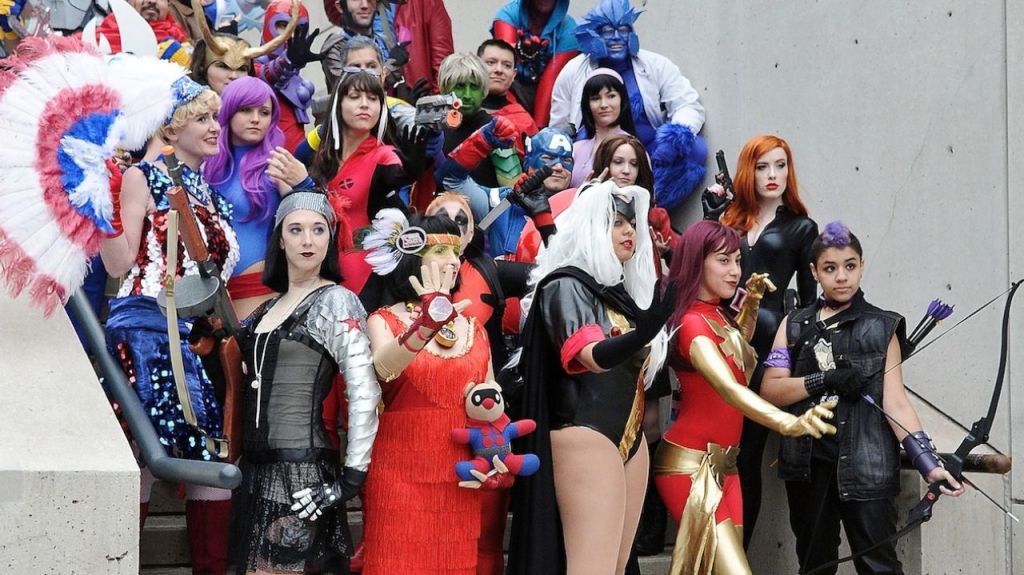
People dress up as their favorite characters for Comic Con.
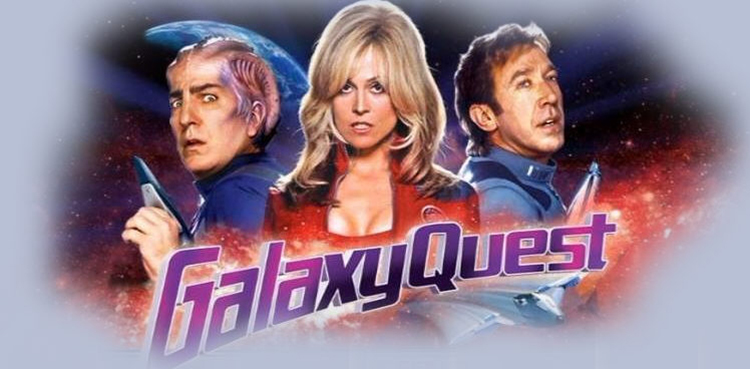
Fandoms can be a really powerful thing too. When there are a bunch of people interested in the same thing, there is not only a connection based on common interests, but sometimes that fandom can actually make an impact on the world. Although a fictional story, the movie, Galaxy Quest, shows the awesomeness of the fans becoming the heroes. The documentary, Never Surrender: A Galaxy Quest Documentary, talks about the making of Galaxy Quest to celebrate the fans of Star Trek. As said in the documentary about Galaxy Quest, “The fans made it real” and “Galaxy Quest is, without a doubt, the best Star Trek movie because it’s about what makes Star Trek special. It’s about the fans.”
Galaxy Quest celebrates the fans.
With that same idea, Mary Franklin talks about harnessing the power of fans to help one’s show in the Ted Talk, Fandom Force: Harness the Power of Audience. She says that the best thing one can do for his or her show is to know the fans, connect authentically to them, and to also ask them to participate. She is an avid fan of Star Wars, and she actually got a job working for Lucas Film because of her passion. She also talked about the creation of NY Comic Con and other Star Wars celebrations because of how involved and enthusiastic the fans were. Fandoms matter.
Kids dressed up as popular Star Wars characters
In the video, Participatory Culture by Henry Jenkins, he talks about people using their fandoms to make change in the world—even using their passions to, “geek out for democracy.” He specifically talks about the Harry Potter Alliance that fights for human rights around the world.
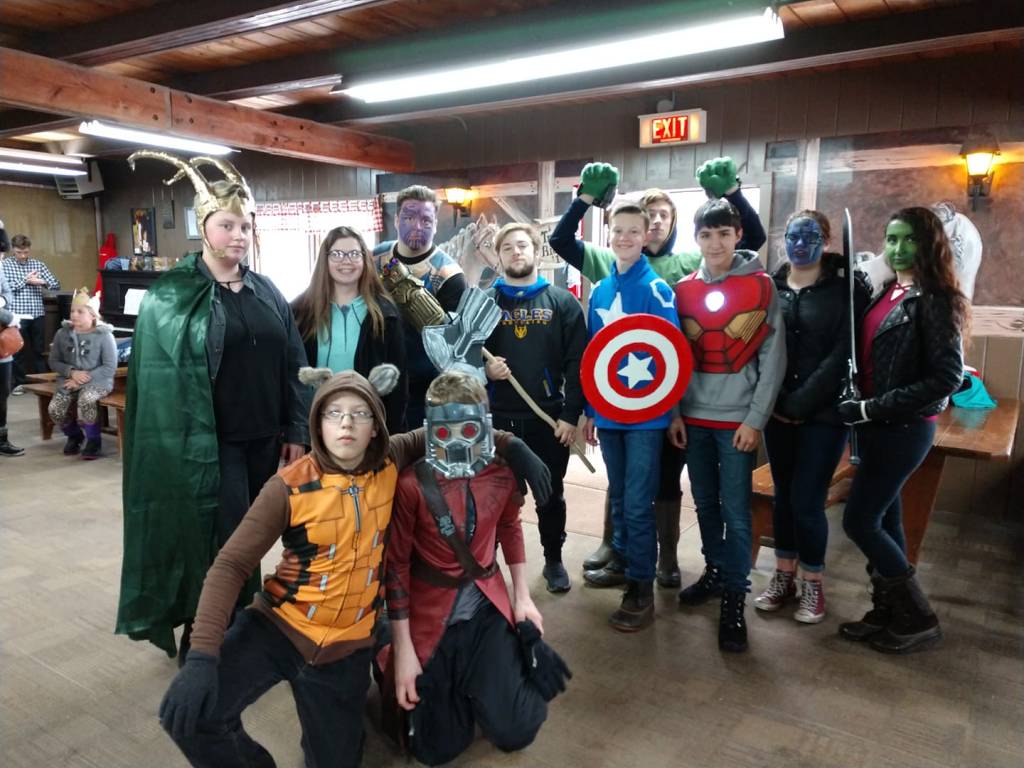
Fans do all sorts of things, but probably one of the coolest things is that do cosplay or they produce their own media after something they love. Will Wheaton, the creator of The Arrow and The Flash says in Never Surrender: A Galaxy Quest Documentary, that, “I have always felt that cosplay is the purest, most wonderful expression of love.” I’m a huge fan of the Marvel Universe, and my brother and I actually made all of our friends Infinity War costumes for a snow camp we went to with our youth group. It was awesome. We also used the costumes when we went to see Endgame.
Our whole group in costume.
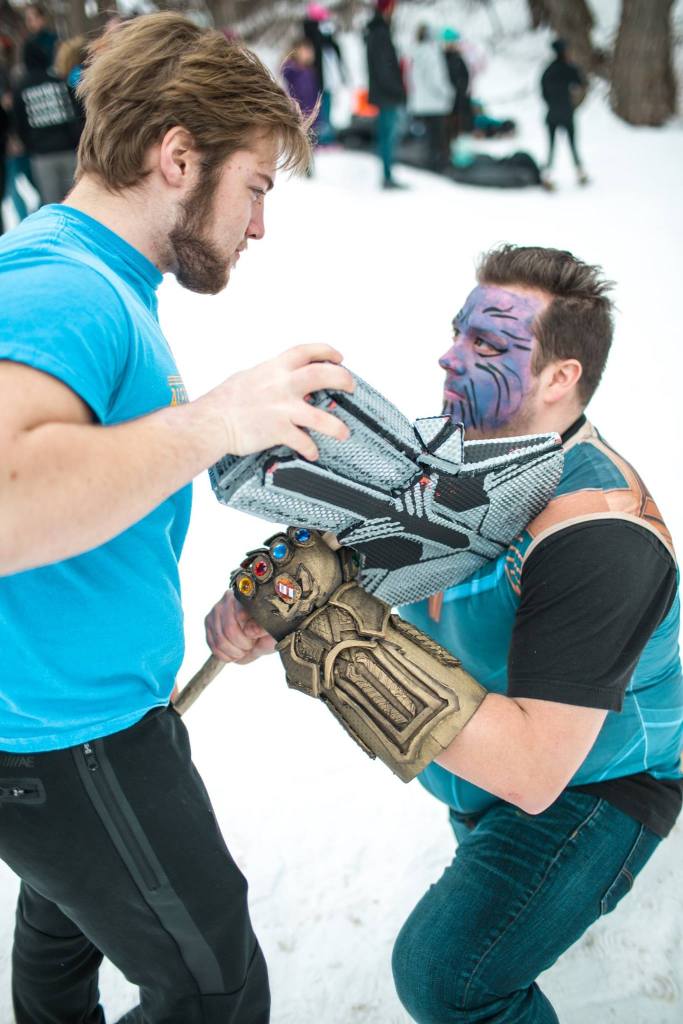
Our friend Alex, played Thor and our friend, Slade, was Thanos. The Gauntlet took us a few weeks to make, but my brother made Stormbreaker the night before camp.Our fiend, Mike was Dr. Strange, Caleb played Hawkeye, and Ethan played Hulk. We all had too much fun.Tom and his fiend, Nathan, were Captain America and Iron Man. I was especially happy with the Iron Man chest, because I was able to get it to light up.
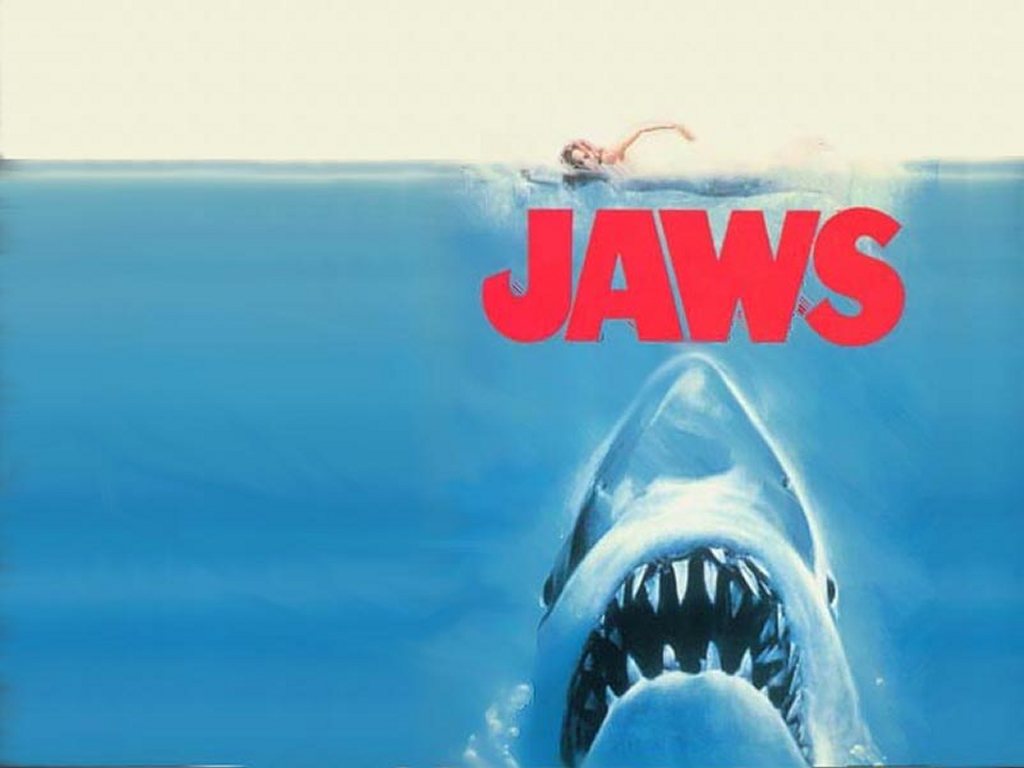
In addition, when it comes to fans producing their own media, just this summer was the 45th anniversary of Jaws, and there was even a Jaws WeMake 45th Anniversary Tribute to celebrate. The scenes that the fans redid, and how they did them, was hilarious.
What are you a fan of? How can you use your fandom to impact the world and connect with others? How is it that people can become so obsessed with fictional worlds and characters?
Right and wrong. Truth versus lies. It seems like an easy choice, but it is harder to apply than one may think. Especially important is the presence of ethics in media, and because it is the media informing the whole world about issues, the information they give needs to be accurate.
Understanding Media and Culture outlines several responsibilities the media should fulfill, including having a social responsibility to citizens, giving news that both serves and informs citizens, is fair to all sides, presents news in a way that is not simplistic but complex, gives different perspectives, and acts as a “watchdog” over the government and corporations (587-588). If a news organization is not fulfilling these criteria, one should question whether it should be listened to anymore.
One big controversy in the media was the Monsanto milk scandal, in which we learned that it is not illegal to falsify the news.
There are several reasons why a news outlet may not meet all of these criteria. The first and probably biggest hurdle the news media face to reporting news ethically is making a profit and staying afloat financially (Understanding Media and Culture 585). News outlets must make the choice about profit and telling people what they want to hear versus facts and possible controversy. At times however, news outlets will choose to please their sponsors and not let out certain stories that would harm their sponsors. They choose revenue over truth, which is not actually illegal. Through a documentary clip covering an issue on certain reporters being fired for not changing their article on certain chemicals found in milk in the U.S. that would financially harm the company, Monsanto, and therefore, the news station being sponsored by Monsanto, that, “falsifying news is not against the law.”
One of the biggest reasons the media disregards ethics is the need to make money.
Another way that ethics are thrown to the wayside is that news outlets get the most profit from a story if they are first. “With the immediacy of Internet news coverage, mainstream media outlets face increasing pressure to release major news while it is still fresh. That pressure is compounded by celebrity gossip sites like TMZ that may resort to unorthodox methods to gather information; the shelf life of breaking news is growing increasingly shorter” (Understanding Media and Culture 572). With the pressure of being first however, there is a chance that ethics will lose in the rush.
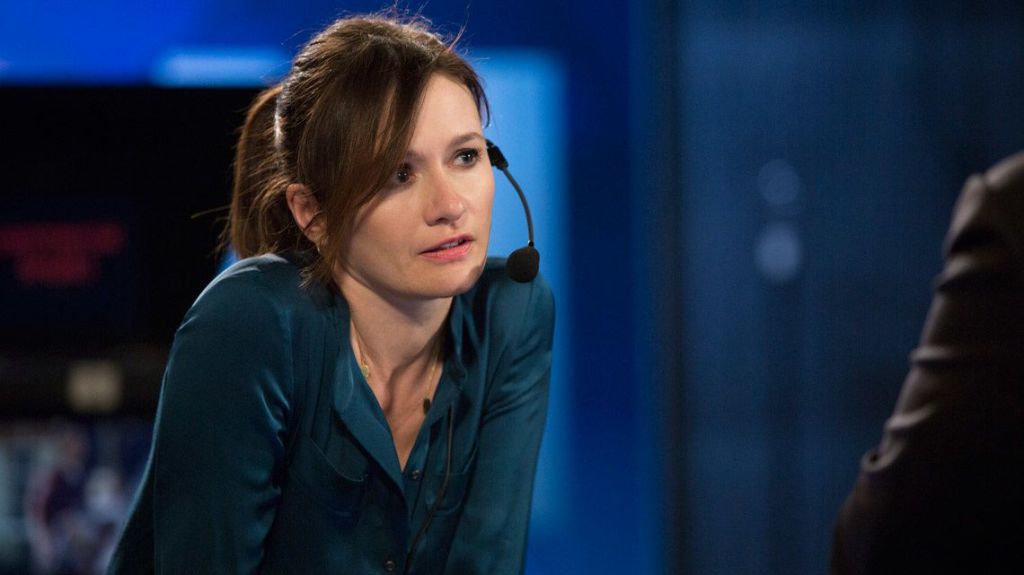
The Character, Mackenzie, from the TV show, The Newsroom
Summing up the real issue of ethics that the media faces in an engaging way is the TV show, The Newsroom. In the pilot episode, “We Just Decided To,” the rough character/reporter, Will, has stopped saying anything that could be biased towards any side. When he finally does say something controversial, almost his whole staff leaves. The character, Mackenzie is hired to the TV station, and though viewers can see that she and Will have a complicated past, she pushes Will to do better in an impassioned speech. She basically says that it would be better to do a good news show with real facts for only 100 people than to do a crummy one that offends no one for a million. She calls Will out of the pattern of people-pleasing he has fallen into, and by the end of the episode, the entire station has worked together to do their best to accurately cover a story on an oil spill, even though what they said about it did not match with what the other stations were saying. Mack gives what the ideal for the media should be, which is that it should be, “worthy of a great republic.”
What can we do to support ethics in the media? Why is it so hard to make ethical decisions? What consequences could it cost the country if the media continues in an unethical pattern?
Conversations like this happen about every other week at my house. One autumn day when I was a senior in high school, my brother and I had just had a funny experience where I kept running into my friend, Ethan, and it looked like I was stalking him. As we started talking about other funny things that just seemed to happen to us, we decided it would be fun to do a weekly podcast where we told stories about what had happened in our lives over the week. One of our favorite comedians, John Branyan, does a podcast that we love, and we wanted it like his in that it was relaxed and like our listener was right there with us. The next step after deciding our content was figuring out a name for our podcast. We live in Almond, NY, and since our podcast was humor based, Two Nuts from Almond was born. Since then, we have had several of our friends on as guests and experimented with a few different topics, including the occasional movie review and giving relationship advice. We are not popular at all, but we mostly just do it for the fun of it and for our friends who like to listen to us.
Podcasting has become super popular over the past few years. Lots of people I know have their special podcasts that they listen to, and it is not uncommon to hear about various friends starting their own. In several ways, podcasting is similar to what radio used to be as they both use audio to connect to people. The textbook, Understanding Media and Culture, makes the point that though podcasts are downloaded and radio is streamed or broadcasted, there is a chance that radio will morph more and more into podcasting (299). To understand podcasting and where it may go, it helps to look at the beginnings of radio.
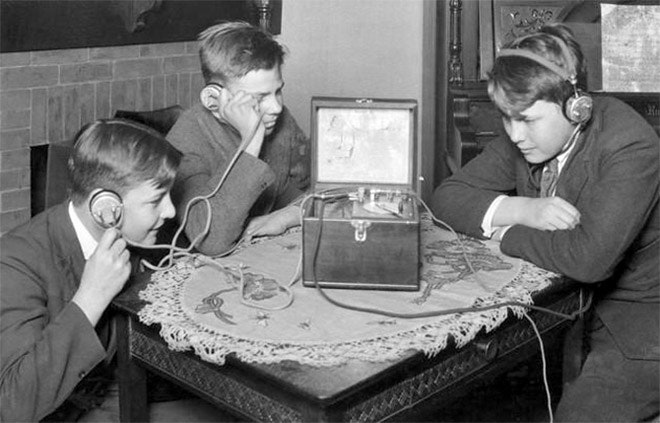
Kids listening to early radio
Like the craze of podcasting in the past few years, radio also experienced a craze when it first began. John Schneider says in his article, “Radio Broadcasting’s First Years—What Was It Like?” that at the beginning of 1922, there were 28 licensed broadcasting station in America, but that by the end of the year, there were 556 stations. As signals were established, almost anyone could have his own “radio show” if he had the radio equipment; churches, department stores, newspapers, universities, and corporations all began to experiment with various radio programs, much like the variety found in podcasts now (Schneider). There were broadcasts focused on things such as music, sermons, sports, or weather (Schneider). Radio broadcasting was eventually refined and organized into what it is today. Podcasting is becoming more organized than it was when it first started, but there will always be a certain level of spontaneity they can have that radio broadcasting cannot.
A short history of early radio broadcasting
Adam Sternburgh in his article, “How Podcasts Learned to Speak,” makes the point that with podcasts, “There are no editors to convince, no producers to pitch, no green lights to be green-lit.” Anyone can have a specifically tailored podcast and he or she does not need the go ahead to do it. All one needs is a microphone and a way to get the content on the web. Sternburgh also makes the point that podcasts are able to connect in an intimate way with people that other media has not been able to do. Another plus that podcasts have over radio, is, as Sternburgh says, “podcasts introduced portability, accessibility, and a nearly endless selection of subjects on demand.” With radio, one only has the opportunity to listen to the broadcast once, but podcasts offer the flexibility of pausing and playing when convenient. Sternburgh sums it up best why people love podcasts so much when he says that, “Podcasts appeal to the twin modern manias for constant enrichment and constant escape. Despite their low-tech origins, we should never have been surprised at podcasts’ modern allure.”
Podcasts are very portable in comparison to radio and are growing rapidly in popularity.
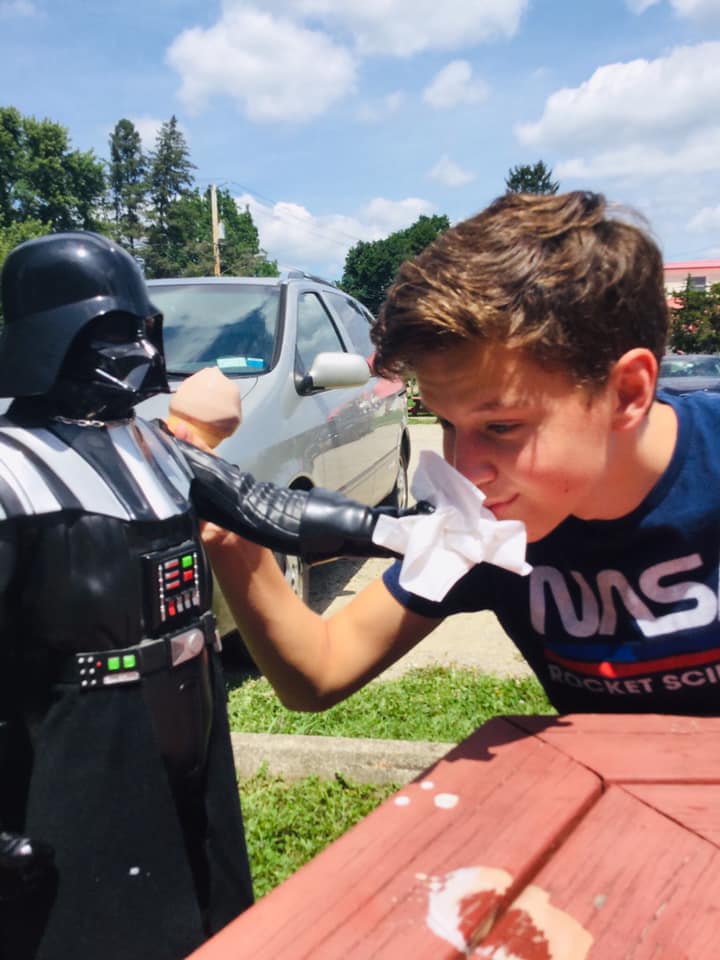
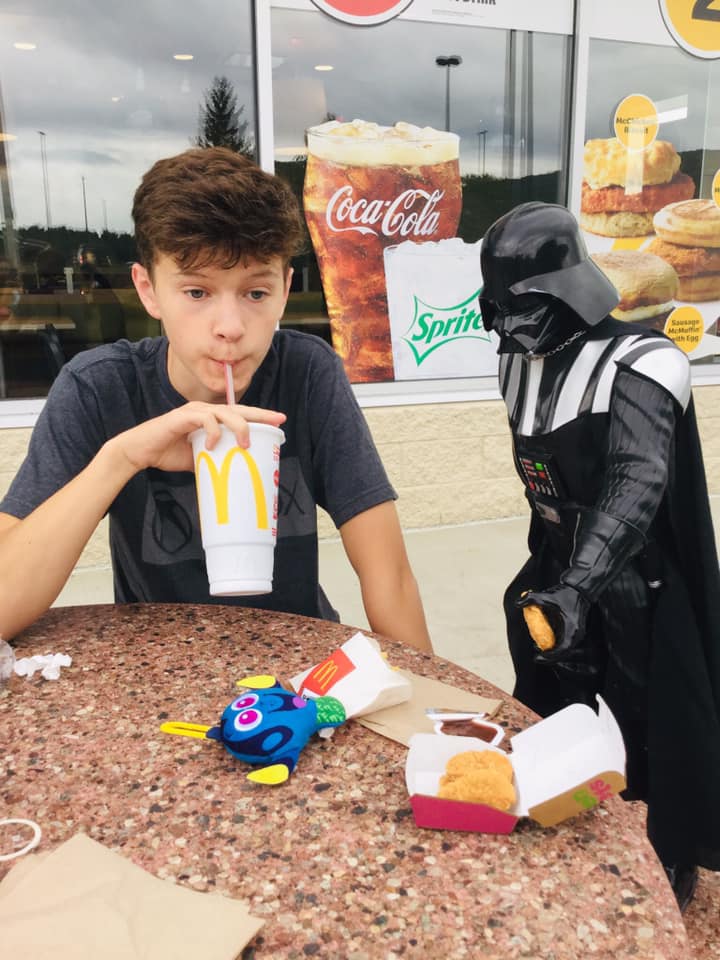
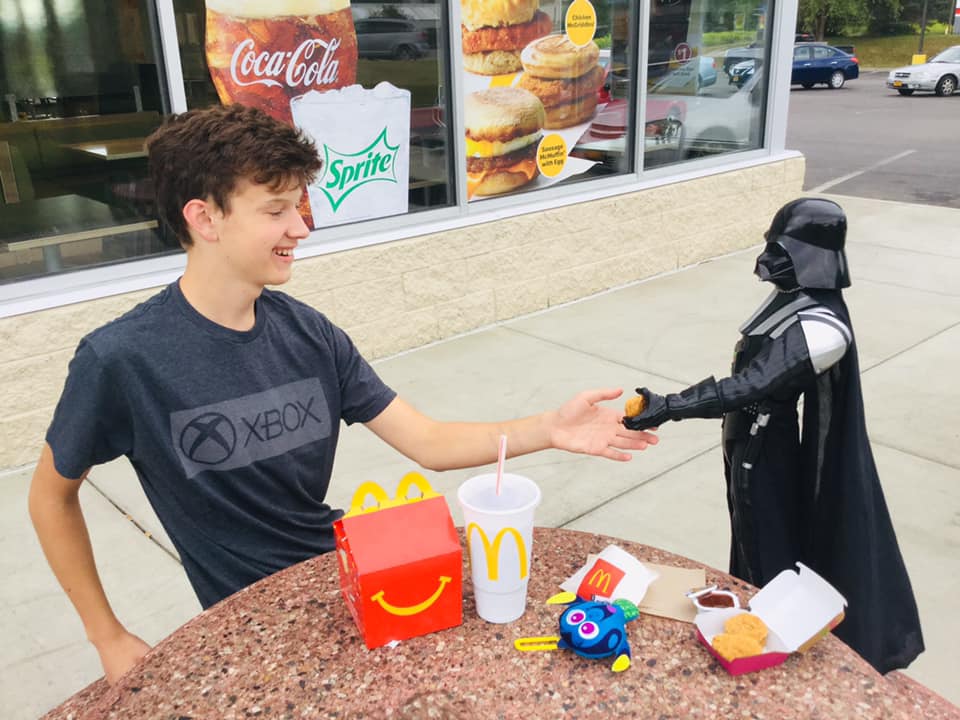
Both of these points about podcasts make sense, and if they are true, then it would also be true that podcasts have great power to impact people’s lives. I have been able to experience this in a small way through mine and my brother’s podcast, Two Nuts from Almond. Not many people listen to us, but those who do have told us that they really look forward to the weekly episode. Last March my brother and I were in the musical, Music Man, and it became the thing for the cast to talk about the latest Two Nuts episode. Our friends in the cast also inspired us to make merch for the podcast, so we now have the official Two Nuts from Almond anklet. We have also had several of our friends on the podcast to tell their own funny stories, and last Christmas we did an episode where we had almost everyone who had been on the podcast in the past year, come on again and share their favorite Christmas memory. We have also done some podcast “extras” for our friends to encourage people to listen to the podcast, including making funny videos and taking pictures with Tom’s toddler-sized Darth Vader.
One of the funny videos my brother and I did as a part of our Two Nuts from Almond Podcast “extras.”
Podcasting is fun, easy, impactful, and may be at least part of the future of radio. Anyone with access to a mic can easily start their own, and one can find a podcast about anything imaginable. Two Nuts from Almond has been one of the coolest things I have done with my brother, and through my own limited experience with podcasting, I would not be surprised if it continues to dominate the audio market.
It is easier to stand up for something when you have friends to stand with you. This idea connects to several communication theories.
“I’ll do it if you do it.” I cannot count the number of times I have said that or my sibling or friend has said that. People are insecure about acting when there are other people watching them, and there are various sociological theories that relate to this. More importantly, however, is knowing why people do certain things or do not do certain things, and how that connects agenda setting and public policies. Furthermore, media has an impact on people’s lives, and we can look at how media, and violent television in particular, affects people, and therefore affects the public policy.
Like the documentary, The Human Experiment showed, sometimes people will not act unless they see other people acting. This sometimes lead to harm and even death.
The documentary, The Human Behavior Experiment, talks about the reasons people do some things and do not do others. The documentary uses the example of authority, and when someone in authority says to do something, people will usually do it even if it seems off or wrong. The documentary also used the example of a study of people on the phone, with one person having an emergency on one end. If the person being studied thought he or she was the only one who was in contact with the person with the emergency, he or she was much more likely to help the person. If however, the people being studied knew they were in a group, they were much less likely to get up and help the person in need on the line. People want to be affirmed. Overall, this documentary helped to show how people respond to certain stimuli.
George Gerbner, founder of the Cultivation Theory.
Taking a narrower approach, the documentary, Mean World Syndrome, focuses on the study done by George Gerbner. He wanted to know what was the correlation between violent television and violence in the world. He found, in contrary to what many people think, which is that watching violence on TV leads to committing violent acts, is that watching violence on TV actually changes how people think about the world around them. It is this interpretation of the “meaning of violence,” not the violent act itself. Gerbner found that people who were heavy watcher of violent TV were more likely to be afraid of violent acts happening to them. This theory is called the cultivation theory, and like a garden is cultivated, so is the mind in how people view the world based on their media intake. Another theory relating to this in Mean World Syndrome is the “fish in the water” theory. This has to do with the fact that a fish does not know it is in water because it has always been there. In the same way, we have born into the media and have not been without it.
What reporters deem important connects to the agenda setting theory.
The cultivation theory connects to the agenda setting theory, which measures saliency or importance. The agenda setting theory has to do with the media (or really, politicians) pushing for certain issues in the news, and then because those are the most widely covered issues, people eventually think that they are most important and set the agenda based on this. The government can then set the public policy to match this public agenda that it and the media cultivated in the minds of the people.
What the media says is important, as is how the people interpret it. How does one find a healthy balance between being informed about issues and not being cultivated to believe certain things that are not true? In looking at America today, does the agenda setting theory work? How can we help instill in people the courage to do the right thing even if they stand alone?
As motion pictures and the movie industry moved away from the classic age of Hollywood with the Paramount decision, independent filmmakers were given a chance to show what they had. Schatz talks about this new development in his article, “The Studio System and Conglomerate Hollywood,” when he writes that this new era was a mix between big-studio blockbuster films and independent films (31-32). The independent films took off in popularity, and many big studios ended up sponsoring independent films (Schatz 32-33).
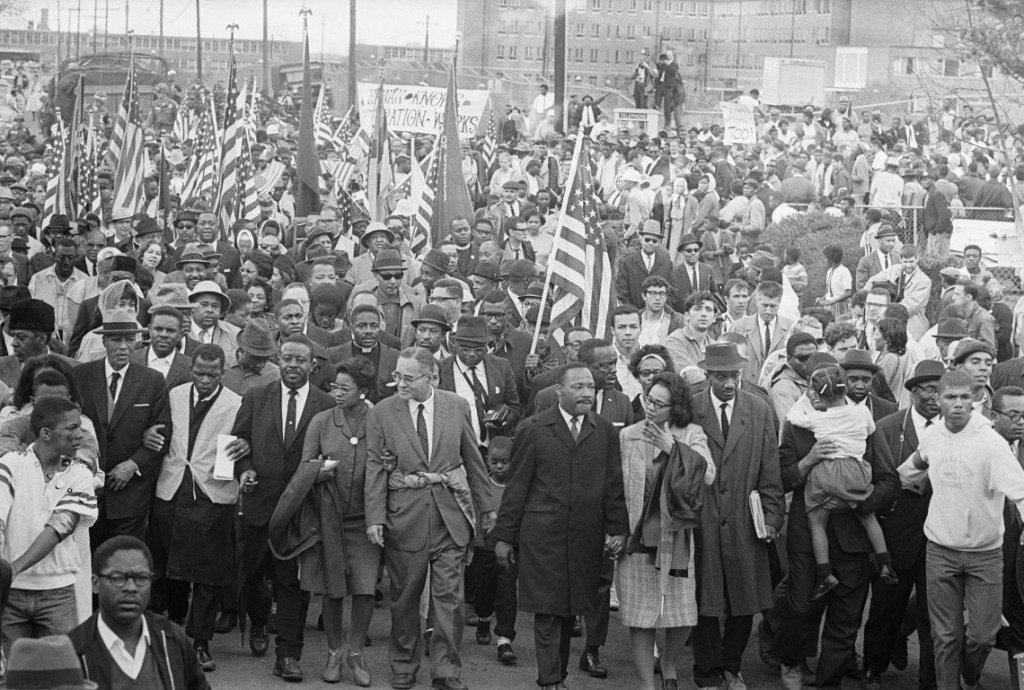
A Decade Under the Influence talked about how revolutions, like Martin Luther King Jr.’s, impacted films
One of the most interesting changes to how movies were made is that they no longer presented perfect people with perfect hair and perfect lives. The documentary, A Decade Under the Influence Part One: Influences and Independents, talked about this new age of Hollywood. People wanted to see films that related to the issues of the day. They did not want perfection. The documentary says that this mentality came from all of the revolutions going on in the 60s. There was a change in style of movies, and as was said in the documentary, “This world was new and open and anything was possible.”
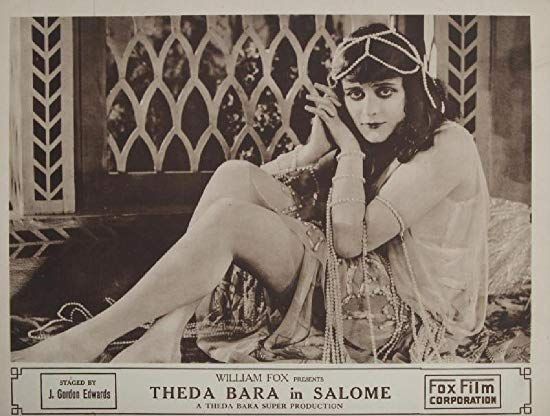
Theda Bara–one of the first women to really express sexual scenes on the screen
Also discussed in A Decade Under the Influence was the increase of independent films and the addition of more and more sexual scenes that were accepted in movies. The documentary, Why Be Good? talks about the beginning of sexual scenes in movies and the censorship that accompanied it. Jeanine Basinger says in the documentary that when these kinds of scenes started appearing in the early 1900s that they brought up the issue of, “what’s appropriate for people to see…so censorship immediately emerged as a key issue linked directly to the medium of film.” Film was a new thing, so it was a controversial issue about what was okay to be in a film and what was going too far.
MPAA logo
The documentary, This Film is Not Yet Rated, picks up this idea in the modern realm as it discusses the MPAA and the ratings that it gives to movies. The movies with the most inappropriate material is given the dreaded rating of NC-17, which the documentary says is the equivalent of an X rating. This Film is Not Yet Rated was very insightful. The rating that producers get for their movies impacts their ability to market their films, and if they do not accept the rating that the MPAA gives, then their movie will not be able to be played in a theater, and it will be very hard to get people to buy it. One of the most controversial aspects of the MPAA is that the identities of the raters of the movies are kept secret. This makes sense to some degree for protection purposes, but the producers in the documentary point out that it does not seem fair for their movie to be turned down by a group of people that no one knows who they are.
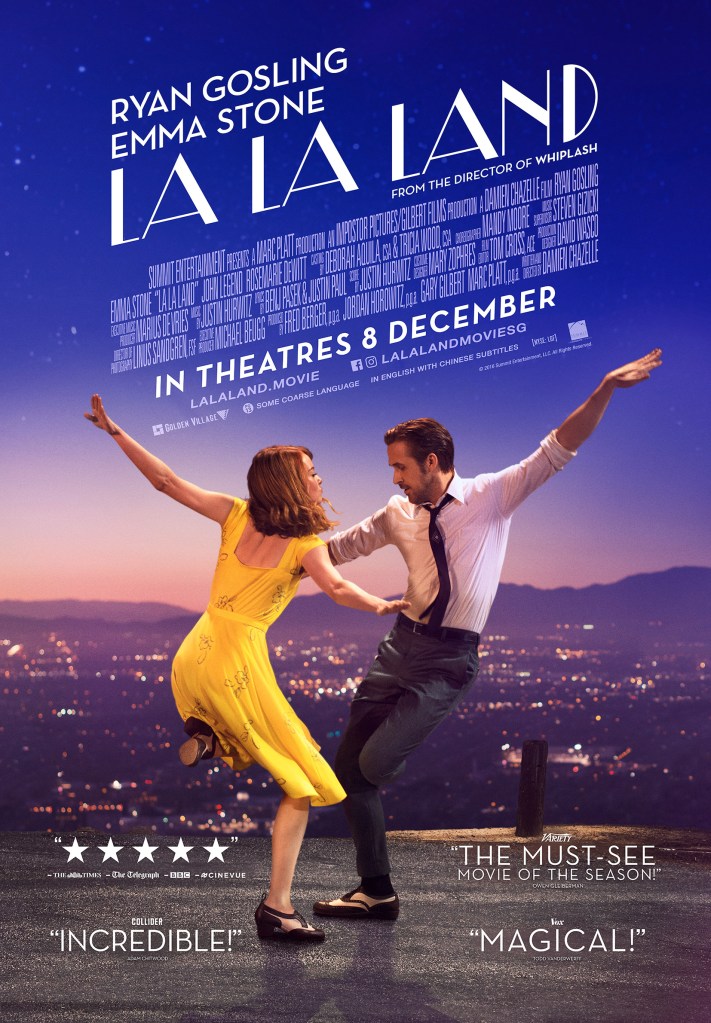
La La Land–one of my favorite movies, was given a PG-13 Rating
Even with a rating system preventing which films are marketed, motion pictures have come a long way from the early 1900s. Is this influx of independent films a good thing? Have certain films become too progressive? Do films influence the culture more or does the culture influence films more? Should films be rated by an unrelated person to the film and should the raters of the MPAA be anonymous? These are all questions one must ask to dive deeper into the world of motion pictures.
There is nothing quite like going to the theater with a bunch of friends—popcorn, coke, and Sour Patch Kids in hand—sitting down in a red cushy seat and facing a screen that covers an entire wall. Movies are unique and have impacted hundreds of people and become a huge part of the American culture especially. While motion pictures are still impactful today, they were even more impactful as the technology to make movies came to be in the late 1800s and early 1900s. Motion picture giants like MGM, Fox, and Paramount, led the way into this motion picture era, and as Patrick Stewart said in the documentary about MGM, When the Lion Roars, “The dreams they dared to dream really did come true.”
Nickelodeon Theater
Understanding Media and Culture talks about Thomas Edison and his invention of the kinetoscope, which allowed single viewers to watch short reels of film that made little, mini movies (306). As the technology developed, so did the creativity for the use of the technology, and as the success of films grew among the people, it “paved the way for the growth of the film industry, as investors, recognizing the motion picture’s great moneymaking potential, began opening the first permanent film theaters around the country. Known as nickelodeons because of their 5 cent admission charge…” (Understanding Media and Culture 310). People were loving these motion pictures, and producers found a way to make them longer by gluing reels together (Understanding Media and Culture 311). With the potential to make full length films, companies teamed together and Hollywood was born.
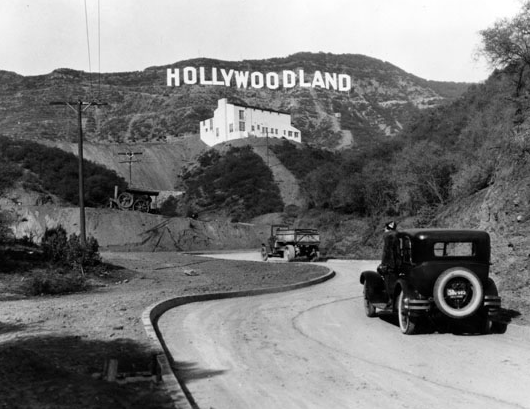
Old Hollywood
“The Studio System and Conglomerate Hollywood” by Tom Schatz talks about concept known as “vertical integration,” and the “Big Five” studios, MGM, Fox, Paramount, RKO, and Warner Bros, who were made of trifectas of companies who could produce, distribute, and exhibit their motion pictures, allowing the movie business to grow exponentially (15). This studio system flourished until 1948 when the Supreme Court ruled in the Paramount decision that the Big Five studios had to sell their theaters to break up the monopoly they held (Schatz 16). Those companies did some pretty big things before they had to downsize and decrease their production however.
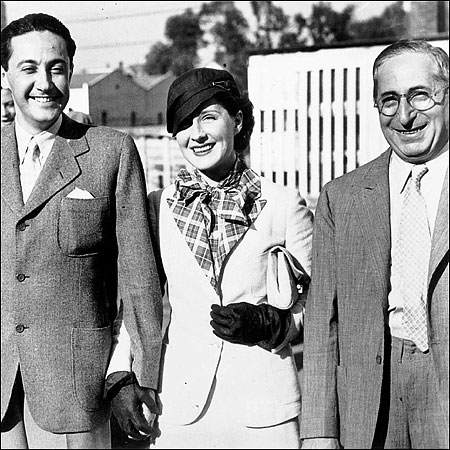
Irving Thalberg, his wife, Norma Shearer, and Louis B. Mayer
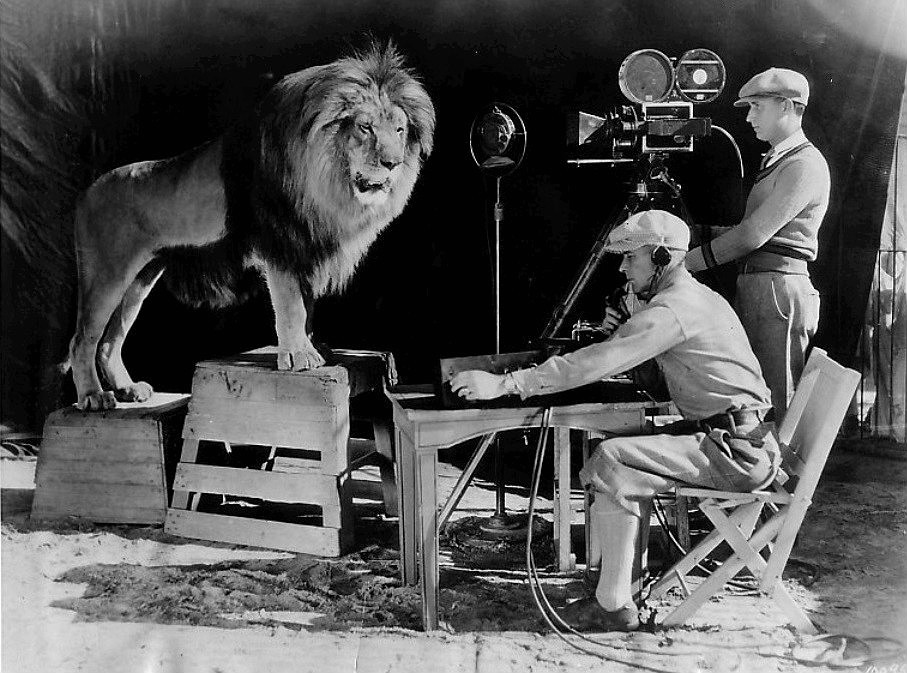
The MGM documentary, When The Lion Roars, hosted by Patrick Stewart, goes into the incredible history of MGM studios. The actress, Helen Hayes says about MGM that, “It was the great film studio of the world. Not just of America or Hollywood, but of the world.” MGM, or Metro-Goldwyn-Mayer, was a vertically integrated studio that did things no motion picture studio had done or ever will do again due to the Paramount decision. The documentary says that MGM made the goal to produce one feature film a week, with a total of fifty-two films a year. Louis B. Mayer and Irving Thalberg, the producers of MGM, did their best to fulfill this goal, literally making people into stars so they could act in the films happening each week. The icon of MGM, the roaring lion, represented the strength, grace, and power of the company well.
Leo, the MGM lion
The question is, should the Paramount decision have been made? What might MGM have done in the 2000s if they had not been stopped in 1948? Though motion pictures and motion picture companies will never be quite the same as they were in the golden years, sometimes as you sink into your seat at the theater and stuff a handful of popcorn in your mouth, you can still hear, the roar of the past.
Social media has opened up millions of opportunities for people all over the world. Someone could very easily become “friends” with someone across the globe from him or her. Not only that, but one can strengthen relationships locally through social media, or like pages and join groups of people who are interested in the same stuff he or she is. Facebook especially has been one of the biggest players in the social media game. With all of the plusses of social media however, as time has gone on, the minuses have become more and more prevalent. How far should one be able to go with posts on social media? Do the algorithms guide people into thinking a specific way? How should social media be used and how is it being used? One of the biggest issues with social media is the concept called the “Spiral of Silence.”
The Pew Research Study found that people who used Facebook regularly were less likely to speak up in person about a controversial topic if they thought they were in the minority.
The Pew Research Center did an article called, “Social Media and the Spiral of Silence.” The article says that, “A major insight… is the tendency of people not to speak up about policy issues in public…when they believe their own point of view is not widely shared. This tendency is called the “spiral of silence’” (Pew Research Center 2). The article says that a lot of times, people will not post what they think because they do not want to cause arguments that go nowhere, and they do not want to lose friends. It also said that, “One study found that people on Facebook start to write, but ultimately fail to share,33% of posts and 13% of comments”(Pew Research Center 23). This is an interesting dilemma and consequence of social media. It is not always bad to stay silent on issues that do not really matter, but for some things, one needs to stand up. If social media is fostering the idea that one cannot speak freely unless he or she agrees with the majority, it can only mean eventual dangerous and harmful situations.
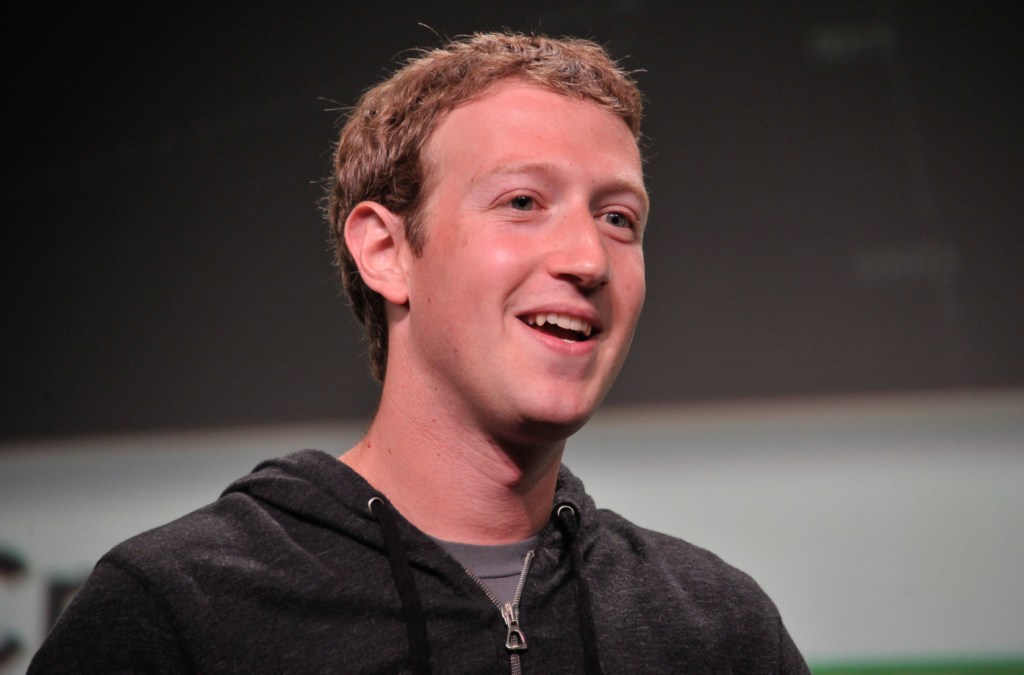
Mark Zuckerberg: Founder of Facebook
Another issue connected to social media and Facebook in particular, is the algorithms used to guide what pops up in the newsfeed. The Facebook Dilemma Part 1 talks about this. One problem with the algorithms is that because they make news feeds so tailored the individual, they put people in this bubble where they are never seeing another side—dividing people even more than they were already. The documentary also points out that Facebook, with the freedom to post whatever one wants, is a news provider. This is difficult because whatever people “like” the most gets put into more algorithms, even when the “news” is inaccurate.
Jennifer Connell (“Auntie Christ”) and her nephew
Sadly, the most scandalous stuff is the most popular. It is what gets “liked” and shared much of the time. The Outrage Machine by the New York Times talks about this, using the example of “Auntie Christ” who was judged harshly by everyone online because the facts of her case were not accurately represented. Danielle Keats Citron in that video says that to help combat this kind of false spread of information she hopes for, “a combination of law, and private providers, and schools, and parents…” to help train children about what to post and not post.
Social media has a great impact on people and will continue to for a long time. The question is, how can we be more aware of its impacts on ourselves and our friends? How can we guard ourselves against the “spiral of silence”? What can we do to encourage accurate news in our newsfeeds?
I remember babysitting for this one little girl a few years ago. She was only about two, but when I went over to her house, she had her own iPad/tablet device. It was crazy to me because I did not even have an iPad, and this kid was only two! How did she already know how to get online and look things up? The internet has become a vital aspect of our society, especially now with many kids doing at least half of all their classes through Zoom. All of this week’s screenings talk about various aspects of the internet and present thought-provoking questions on this thing that we have all become so dependent on.
Interior Of Coffee Shop With Customers Using Digital Devices
The PBS documentary, Digital Nation, although made about ten years ago, is insightful to today’s interactions with the internet. The whole documentary begins with Rachel Dretzin telling a story about when she realized the internet had engulfed her family. She says, “We’re all in the same house, but we’re also in other worlds.” Digital Nation goes on to look at colleges and students and how schools are going about in their use of technology. The growth of technology, also known as the technology curve, is amazing, but the documentary also presents warnings about this fast growth. Todd Oppenheimer says, “My concern with this digital media is that it’s such short attention span stuff that they get bored. It’s what I call instant-gratification education…all this bifurcates the brain…(and)keeps it from pursuing one linear thought.”
Tony Stark and Jarvis
The increase of the use of technology will only continue to grow, and the technology curve shows it. All of the technology shown in Digital Nation seemed elementary compared to what everyone uses today. For example, Understanding Media and Culture talks about how email has been around since the start of the internet (446-447). While email is still used all the time, it is the norm. It is not exciting like it was back in the early 1970s. We have come so much further than email. One talk that we watched in class used the example of Tony Stark and Jarvis, saying that pretty soon, everyone will have their own artificial intelligence. The way that technology has exploded, it does not seem far off.
Teens looking at a computer
Of course the introduction of all this technology and social media especially, is bound to cause some problems. In the Ted Talk, “The Price of a ‘Clean’ Internet,” Hans Block and Moritz Riesewieck bring up the controversial topic of content moderators. Content moderators click through various questionable media and decide if it should be released to be seen or not. The problem is that while they “clean up” the internet, they are suffering consequences to their own minds for taking in all that garbage. The other question is, should not the individuals themselves or their parents decide what is okay to see online? It is a tough question the internet has brought us to wrestle with.
A Gamer
At the end of the day, one can see that the internet has both helped us and harmed us in ways. The question is, do the damages of the internet and new technology to our brains, especially young children’s brains, out-way the benefits? How should we learn to positively interact with the internet, virtual worlds, and social media, and still make strong connections to people in the physical world? Does one need to have real friends when they have virtual ones?
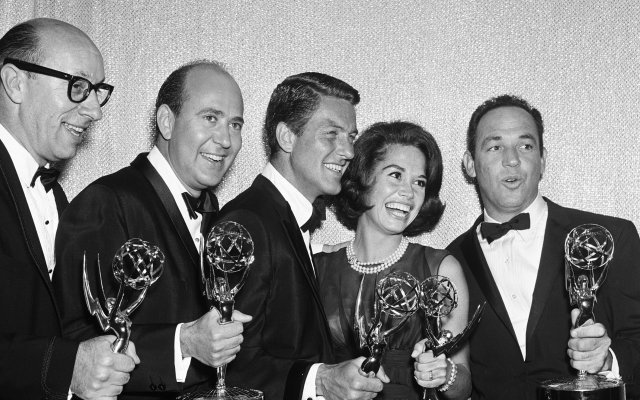
16TH ANNUAL PRIMETIME EMMY AWARDS — Pictured: Winners of Outstanding Program Achievement in the Field of Comedy for “The Dick Van Dyke Show” (l-r) actor Richard Deacon, actor/writer Carl Reiner, actor Dick Van Dyke, actress Mary Tyler Moore, director Jerry Paris at the 16th Annual Primetime Emmy Awards held at the Hollywood Palladium in Los Angeles, CA on May 25, 1964 (Photo by Frank Carroll/NBC/NBCU Photo Bank via Getty Images)
From the beginning of television when there were only five stations, to now with literally a million shows available through streaming, television has come a long way. At first, people did not know how the best way to use the medium was, but gradually people started seeing television as a way to connect with people and even change the culture. This week’s screening, Pioneers of Television, episode, Funny Ladies, demonstrates through the lives of women like Lucille Ball, star of I Love Lucy and Mary Tyler Moore, co-star in the Dick Van Dyke Show, how far even the portrayal and abilities of women through TV have come.Our other screening, the episode, Hush, from Buffy the Vampire Slayer, along with a reading called “Buffy The Vampire Slayer—Using a Popular Culture Postmodern Text in the Classroom,” help to further show how television has grown to be a respected form of art and even an educational tool.
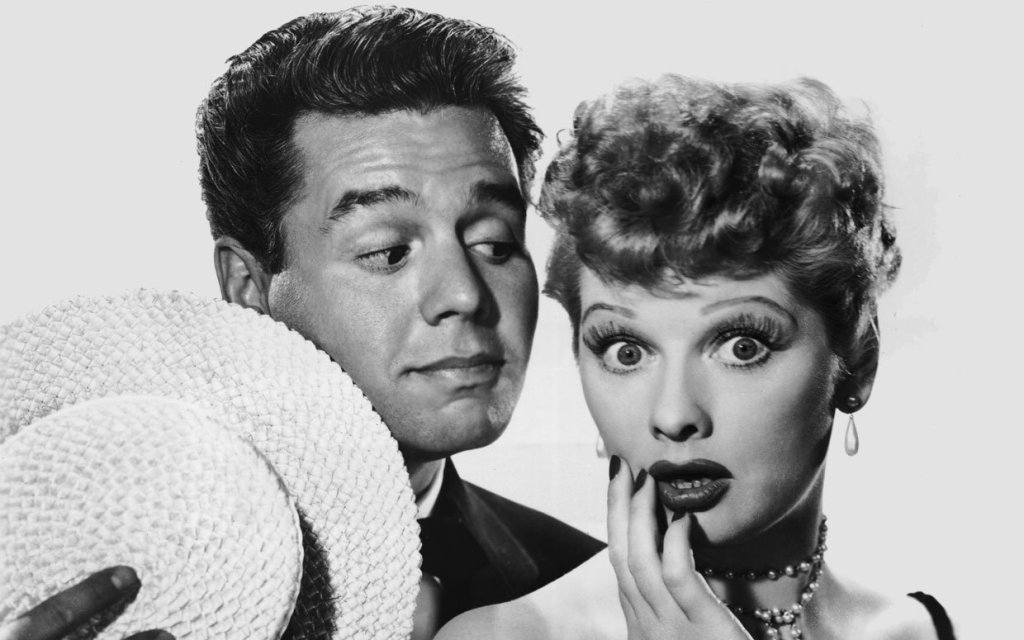
I Lovey Lucy–Desi Arnaz and Lucille Ball
“Funny Ladies” tells about the careers of several different female comedians and how they rose to fame. Up until the 1950s, there were not that many female comedians on television, or if a woman was a comedian, it was expected that she would have to be unattractive. The documentary says that Lucille Ball came up against this stereotype. Not only was she hilarious, but she was also gorgeous and confident in her physical appearance. Lucille also showed everyone else up because, “she was all in on every bit.” Mary Tyler Moore was also an influencer and role model for women. She portrayed through her acting and shows that a woman could be strong, and that being a mother was one of the most important things a woman could do. It was really a breakthrough in television for women, and not only that, but they were able to help change people’s stereotypes about women in the area of television.
Buffy the Vampire Slayer
Television went on further to impact the culture, eventually leading to various television shows being used as ways to teach students about social issues and ways that people act and communicate. “Buffy The Vampire Slayer—Using a Popular Culture Postmodern Text in the Classroom,” presents the case for using postmodern television shows as teaching tools. It says that “Through the postmodern popular culture television show as text, we are able to tap into these discourses and inevitably open doors for discussion that are likely to unravel a whole new level of thinking in the minds of those we teach.” The episode, Hush, from Buffy the Vampire Slayer, especially enforces this idea because it does such a good job of showing how people can communicate without talking. At the beginning of the episode, characters are bumbling with their words and are not communicating well, but when their voices are taken away and they are forced to communicate nonverbally, they actually communicate more effectively. Other postmodern TV shows also do a great job of providing teaching examples.
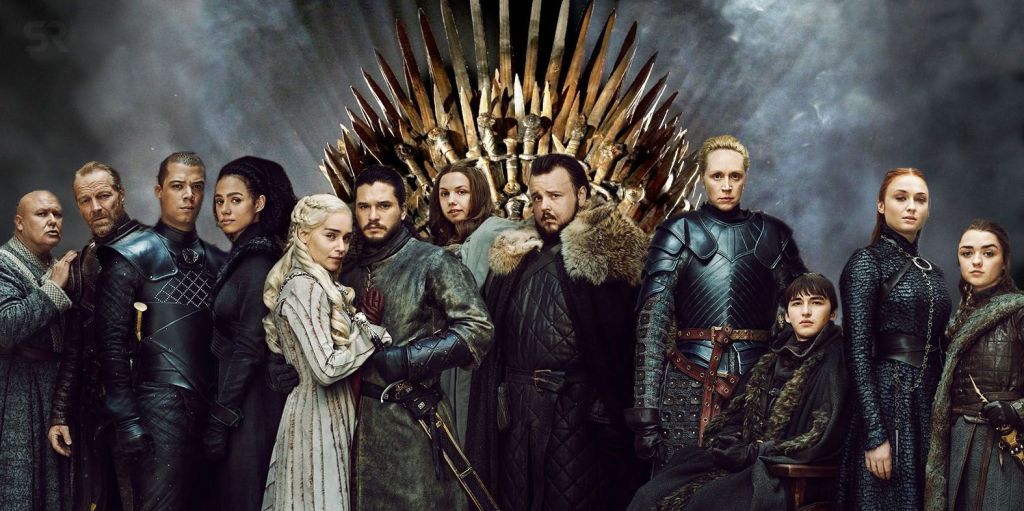
Game of Thrones Cast
From the days of television of old, to Rod Sterling’s groundbreaking morality tales of the Twilight Zone, to the postmodern shows of the early 2000s like Buffy the Vampire Slayer, to now with the Game of Thrones saga and many more, the world has gone on a ride through the land of television. The question is: Is the ride over? Will television have any more drastic changes or is this it? We have just begun to use television as an educational tool, but how much more developed will that tool be? Will we ever be able to truly tap into all that television is and could be?


























 Mass Media and American Life