Author Archives: keshellscipio

Television

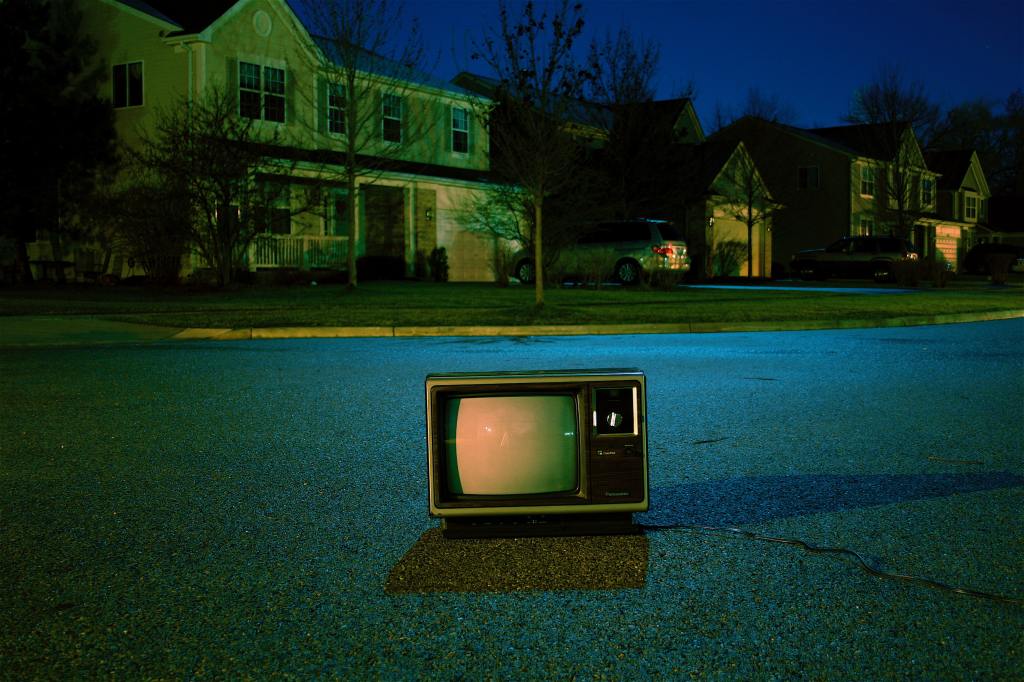
Television has always been a form of media that amazed me. Like any new technology, the birth of television brought along a new wave of entertainment. Around the mid-1980s, three major networks, known as ABC, NBC, and CBS, began to dominate the airways. Providing news, shows, and advertisement, which many other systems wanted to get on. Cable television’s popularity in families created more opportunities for creators and business owners to find another gateway in family homes and pockets. Later down the line, new stations began to pop up, such as Cable News Network (CNN), Music Television( MTV), Sports Programming Network (ESPN), and Black Entertainment Television (BET).

As we see today, television has an enormous influence on the culture. Specifically, BET being a black network is dedicated to highlighting the interests of African American viewers. Growing up, BET has been a station I looked at as a mirror. At the same time, BET gave me a glimpse into a world of people that looked just like me and had cultural similarities. While highlighting black music, culture, entertainment, and stars, BET was, for many Black entertainers, their first step into this field.

Despite the lack of diversity in this market, television became more informative than radio and newspapers. Viewers obtain footage of controversial events and “intense human experiences” that other media forms couldn’t reach. Watching and hearing these events live gave the viewers more empathy and a worldly realization. While many of us are in the safety of our homes, others are fighting wars, in riots, or flying to the moon. As viewers can now visualize a world of that incident happening and being a character within it.

“During the coverage of the civil rights movement, for example, footage of a 1963 attack on civil rights protesters in Birmingham, Alabama, showed police blasting African American demonstrators—many of them children—with fire hoses”.

In this week’s screening of Rod Serling: Submitted for your Approval, viewers saw the impact television had on specifically Rob Serling’s life. With interviews of colleagues, friends, and family, this piece gave a timestamp while embracing Rob Serling’s work in his field.

During his time alive, Serling became what many may call an overnight success. In the creation of Patterns, he questioned humanity’s morals. Asking touchy questions such as, what does someone do if they have dedicated their life as a boxer, and today or tomorrow, a fierce fight stops their whole career? A fighter cannot merely return to society because he’s a household name, so what’s next? While his questions picked the viewer’s brains, these questions often went unanswered, and like that, Patterns was a hit. Breaking through, Serling grew to become a household name and continued his work in television. Finally, creating The Twilight Zone, which had the same theme of look society in the face. In the end, The Twilight Zone culturally influenced the culture of television as we began to look at the world with a wide lens to obtain a deeper meaning.
My question to the reader, is ” how has television influence your culture?”

Music is Changing

The culture of music has always been a form of expression that I believe has been the world’s official language. Music has entwined cultures while creating long-lasting emotions that no other genre or area can duplicate. Listening to music today from a different era can make the same or almost very similar feeling with an individual from that specific era. Because of the immense relevance music has on society, it has always been a topic for future generations to make some of our favorite songs more accessible.

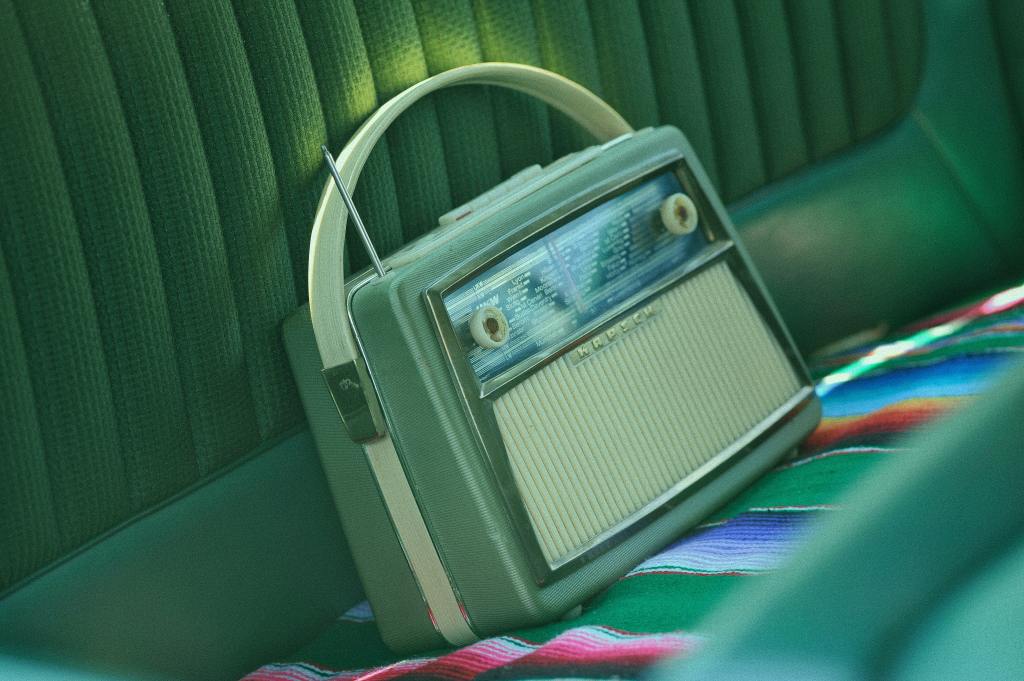
During the 1920s through the 1960s, the radio went through a golden age with a flourished possibility of music and air content through United states homes. Stated “During this time, the number of licensed radio stations in the United States exploded from five in 1921 to over 600 by 1925 (Salmon, 2010).” (218) This new technology opens a world of creativity that modern visionaries used to improve this tool to become better. Airwaves became a form of entertainment in many homes as families began to gather around for new songs, shows, and commercials that many many have never had before.

“The introduction of radio broadcasting provided a valuable link between urban city centers and small, rural towns. Able to transmit music nationwide, rural radio stations broadcasted local music genres that soon gained popularity across the country.” (218)

Once radios became the new normal, innovators shortly after became fascinated with recording music. Recording music allowed for content to be shared throughout worldwide clubs, people, etc. This freedom of music could reach such a broader audience. Popular albums now had an opportunity to be from a different area. And be bought from the recorded store right around the corner, thus increasing traction and sparking albums sales worldwide. While this also adds to the music industry’s value and improved revenue for the creators, producers, and distributors. Unfortunately, something was coming right around the corner to turn the table around.

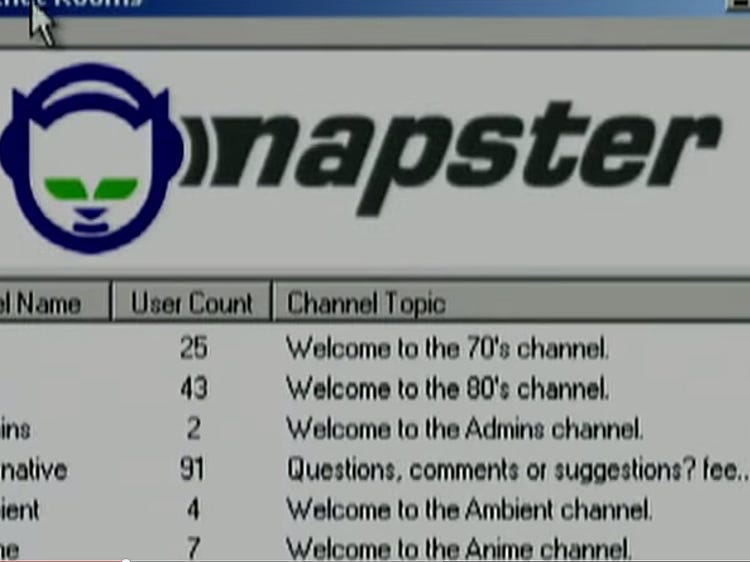
With all the changes happening in the music industry and their monopolization of the creator’s work and revenue, the internet began to level that playing field. Viewed in the screening “Downloaded: Napster documentary,” the internet before Napster was an avenue to stream music but wasn’t as effective. The internet had long loading times and unwired phone lines as there was not director connection between a server to download music and the IP computer. However, The internet with such potential sparked a light in Napster, Shawn Fanning, as he looked at this new technology as a vehicle to allow for downloadable music. In his efforts to make recorders and CDs go out of style, Napster opened a new window downloading and stream music. Napster allowed people to find, search, and download their favorite songs without the hassle of purchasing an entire album or paying the overhead cost of the music industry. Downloading music became the newest form of obtaining music, and there was no way the world was going back.

Personally, the history of music and its changes as technology continues to evolve is sentimental to how I view music today. My family comprises of producers who used tapes, cassettes, vinyl, and digital music to Dj. Because of that, I understood the importance and culture shock Napster has on the Music world. As producers were affected by the available albums, Djs has an easier time collecting and performing their sets. Today, I find the evolution of music something that was going to happen in due time.

Question: How has the streaming of music digitally affect new creators?

Stop Printing

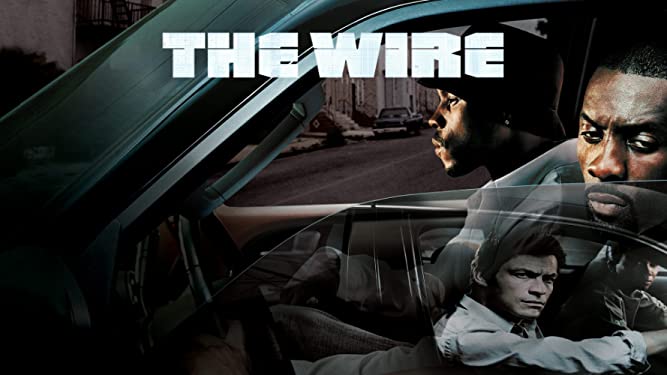
In this week’s screening, we spiral into the sad reality of the decline of press circulations within The Wire. In this episode, characters spoke on the real but unfortunate truth that newspapers are becoming a past thing. As of today, the Internet has become extremely accessible to information that society tends to forget. Within The Wire, we discuss and tackle the fact that people are moving away from physical print and the enforcement of credibility.

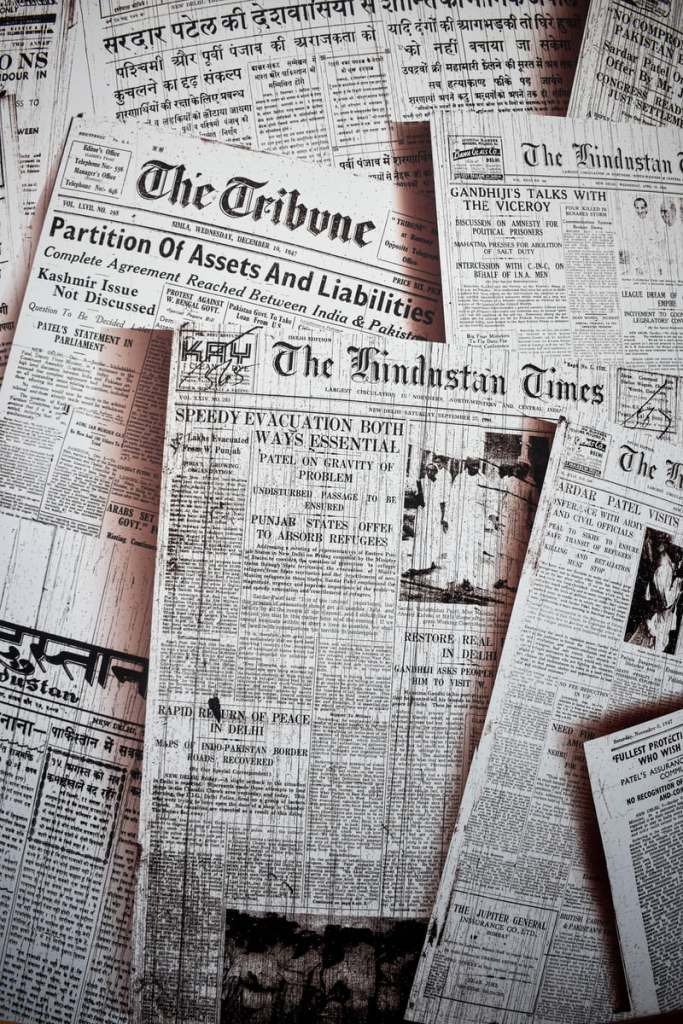
The majority of news reporters and broadcasting stations today uses newspapers as a form of reliable reference as newspapers were made to find the truth. These publishers are still the anchors for the truth as lies and mistrusted information is a form of liability; after a law was passed in 1733, within the John Peter Zenger case. This case created a presidency for future publishers as the “truth is the best defense against liable.” Specifically, this case became the stamp that enforced the Press’s Freedom in the United States and was included in the Bill of Rights.
However, Within The Wire, we saw in the infringement between characters that there are still bad apples that would risk the publishing company for a “good story” than finding credible sources. But with false information Newspapers, prints can face harsh backlash and legal enforcement if they followed through.

Unfortunately, with today’s technology evolution, the Internet doesn’t hold such enforcement and standards. This leak of information makes lies, and clickbait spread quite efficiently while the newspaper is still finding the truth.

In the past decade, newspapers have begun to decrease exponentially. As readers are no longer home, and many things are exchanging to be online, many publishing departments began to see cuts in staff, pay, and locations.

“Newspapers have control over which stories are told and how those stories are presented. Just as the newspaper industry has changed dramatically over the years, journalistic writing styles have been transformed. Many times, such changes mirrored a trend shift in readership; since the 1950s, however, newspapers have had to compete with television journalism and, more recently, the Internet. Both television and the Internet have profoundly affected newspaper audiences and journalistic styles.” (157)

I have recently noticed at Alfred University the change of readers on campus. Younger folks who were once readers are beginning to decline as older and genuine readers are the few that still pick up a print. Regardless of the world going through a pandemic, which increased everyone’s screen time, college students have begun to stop reading print thoroughly. And in the Fiat Lux News attempt to find more content to navigate students to pick up the newspapers more frequently, this has forced the newspaper to move online. Many Newsrooms now hope that their credential and standards still live up to what they had before.

My question to the reader: Do you feel that the switch to online will put regular blogs and factual newspapers at the same level? Will society begin to believe that everything on the Internet is a creditable source?

Sheep in the Era of Information

Photo by Mark König on Unsplash

From the early years of printing, books have been a form that expressed the worldly diversification of knowledge. Today, anyone can pick up a book, search something on the internet, or get an ebook to receive information. Nevertheless, after reading “Understanding Media and the Culture” and watching the film “Out-of-Print,” my views on books have changed. Acknowledging that I was born within generation z and all of the children born into this period was at the internet’s starting line. To others, I can imagine how looking, finding, and experiencing a book may seem prehistoric. This concept of having a book for knowledge may appear as a hassle as we were the guinea pig to “what’s now, and trending on the market.” While this is something societal forecasters may not have spotted, this access to information has resulted in an era of communication. Students found it more useful to make a few clicks on the web than digging research and getting a proper understanding of topics.

How can future generation function when no one is thinking more profound than what they are click baited?

Before the internet, books were a form of controversy, tales, and enlightenment because these scribbles on pieces of paper can build or divide a nation. Giving readers the ability to understand ideas that someone else may have been thinking and gave hope for a society of intellectuals and like-minded individuals. Specifically, books such as “Uncle Tom’s Cabin,” written by Harriet Beecher Stowe, “helped establish the political novel as an important touchstone of American literature.” (96). Readers in the 1800s were seeking books to stay up to date and inform themselves of worldly and individual views. The influxes of knowledge trained society to think more than what was plain to their eyes.

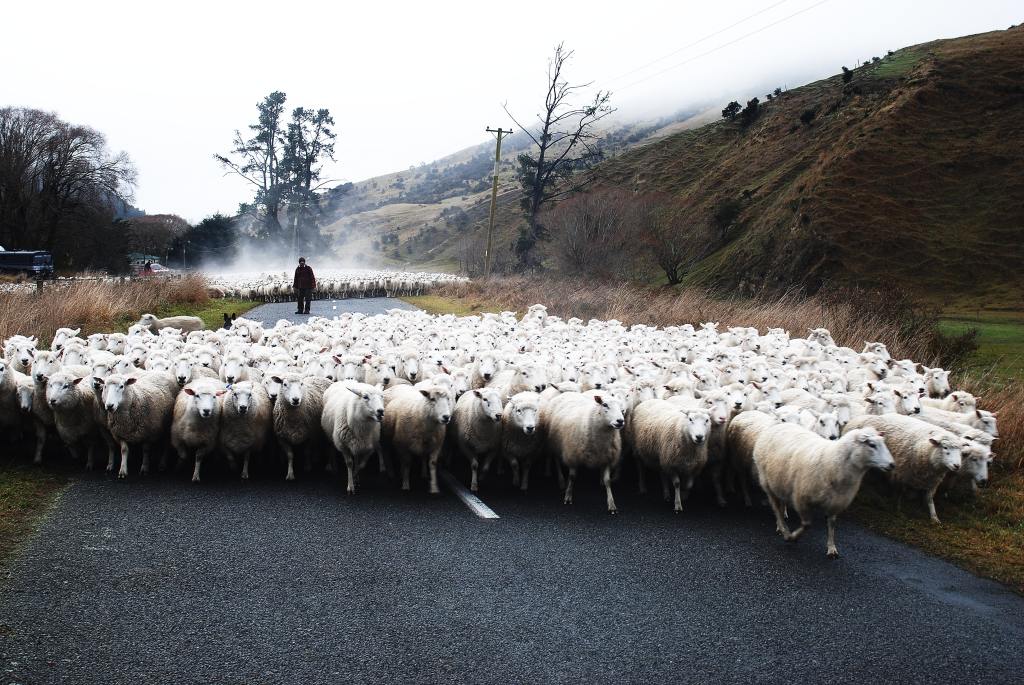
However, in today’s sense, the lack of reading and understanding more profound concepts leads to a world of mindless sheep because we outsource information.

“If you don’t have a citizenry trained to think precisely about ideas, your democracy will increasingly be one of the know-nothings. As long as people accept the illusion that they don’t have to learn to read and write well, they will essentially be locking themselves out of any opportunity to take the levers of power in this society.”

Stated by Scott Turow, Out-of-Print
Photo by bantersnaps on Unsplash

This quote resonated with me as I always wonder how a society can function without rich knowledge, especially future generations. As younger students are normalized and consumed by the internet, parents and teachers had to counter this under learning by building healthy habits early. Specifically, in my household, my younger sister had to spend time not only reading what’s on the page but understanding what texts mean and how she felt post-reading. Having students find their “take away” at any point in the book, while it doesn’t compensate for the lack of worldly knowledge, gives students a more in-depth understanding. Especially now more than ever, it is essential to train students of the credibility of each clickbait, so they aren’t fooled by the overflow of information and become another sheep controlled by wolfs that actually read.

Photo by Mita Park on Unsplash

My question to the reader: For students, books may seem like the problem, while reading is; how would you glorify reading to younger students? Note any technology or form can be used.

Hey y’all !! It’s Keshell Scipio

I’m a junior with a major in Communication and a minor in business administration. I’m from Brooklyn, NY, and initially came to Alfred University to pursue a path in veterinary medicine. However, that path was stopped once I joined my first communication class and realized I wanted to be a producer/ director. This new passion has driven me to advocate for women in media in college and reboot Autv: Alfred University broadcasting station as the executive producer. If you would like to join, email me at autv2.0@alfred.edu.

Other than that, I love traveling, dancing, DJing, and trying new things. I’m an adventure at heart, ready to start new experiences. Thank you for spending your time reading my blog.

(p.s) Introductions always sound like a weird tinder bio. Weird. Right?