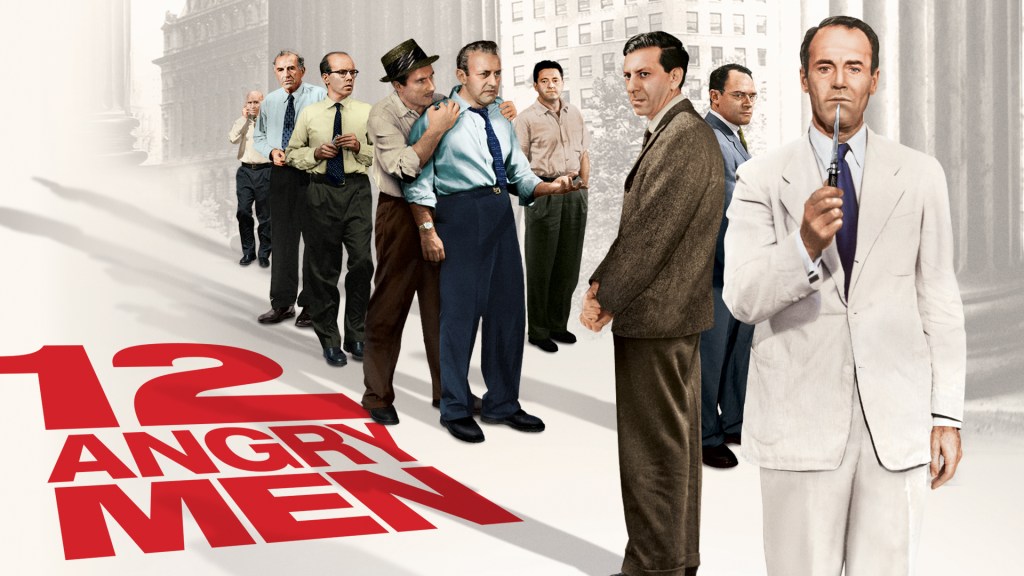
Sidney Lumet directs 12 Angry Men. 12 Angry Men is a closing argument of a murder trial as the jury attempts to figure if the defendant is guilty or not guilty. In this film, we discover the extent to which these 12 men would prove that the verdict was guilty. But in due time of notice, the courtroom’s facts had too many gray areas; a dozen men finally decided that the verdict was not guilty. I find it eye-opening in this film how easy going the men were talking about another man’s life. While I have never been a jury member, it only makes me wonder how many wrongful accusations were made because the jury wanted to hurry and watch a baseball game. This film illustrated the forgetfulness humans have for only another. Our attempt to forget to be empathic can lead us to do wrongful things. Secondly, the story of 12 Angry Men was so such a simple storyline with an amazing execution. The shots taken within 12 Angry Men of the men facing away from the table while the opposing men who choose guilt dispute were on the table was a fantastic shot. Also, each close-up of someone face, hand, or sweat provided a personal feeling to each character a they switched their vote to “not guilty.” Lastly, I would like to mention how media has diluted the mind of these men. A few of the men who thought the verdict was guilt at first used uncharted “facts” without any real evidence. Many of them used their thought of people who lived in the slum and why the verdict doesn’t know what he did. Instead of being unbiased and looking at the facts and evidence as data, it is apart from cultural stereotypes.
Reflection
Mass Media and American Life was an excellent class that better understood the media’s connection to society. Media has a way of consuming society’s ear way, minds, and sight. Sometimes so much that we don’t even notice how many times we see it in a day. Attending this course, however, has provided me with a to detect media in society. I have found that this course has illuminated the aftereffect media has on the culture and myself. I highly appreciate the lectures and the conversation in this class as they open up discussions and thoughts on cultural topics. I would recommend any student that’s thinking about trying a communication course to attend this class. The cultural references and how things connect in this world are far from any other courses I’ve participated in in the past
In this week’s discussion, we spoke on the stances fandom communities have on our society. Fandom communities within media becomes a central place where a similar mind can connect and cultivate stories, jokes, media, content, and culture of what a community finds attractive. As stated in, Fandom, “on the hand, studies of ‘we’ (intellectuals) consume culture – the disciplines of English literature and art history- have worked on the assumption that readers actively make interpretations, drawing on a detailed set of already held knowledges about similar texts, previous great works and other forms of cultural capital..” This community’s central idea is what makes ComicCon, DragCon, NYC Makeup experience, BlackGirls Rock, and so much more. The central idea and teaching of a group of individuals create a community of like-minded thoughts and concerns.
Fandom communities have always been apart of my life. Growing up, I have been within the serval communities spanning around television shows, music bands, celebrities, black girls in media, pottery, etc. Growing up, I found a group of people who thought similar thoughts, which allowed me to express my creativity and concerns in these spaces. These spaces welcome open conversation and new information. Finding out about new pieces of music, techniques, meet-ups, etc., through their fandom communities, also became a plus. The specification of these communities makes for more open conversation, which was also mentioned in our screening with scholar Henry Jenkins.
“Henry Jenkins on Participatory Culture” spoke on the political changes fandom communities had on society. With his desire to fill the gate between political concerns and students’ leisure activities, Henry Jenkins wanted to recreate similar energy within conversations about anime or Harry Pottery into the political atmosphere. How can these Fandoms communities make a change within their organizations? He stated a Harry Potter community that has already created global initiatives such as supply food and water in Haiti. While these fandom communities may have started in the small and local area, these ideas can surface in the world and develop in other organizations. Fandom’s initiative to make a change is a massive way of preparing our students and adolescence to be active citizens. Creating these global changes adds value not only to an individual but to the world. If we are willing to open our minds to others’ likes and dislikes, we as a society can build a future that educates and helps one another create a better place.
My question to the reader: what are some fandom communities you have been apart? How has this increased your knowledge?
This week we cover mass media ethics. Media ethics covers many media standards, such as art, controversial topics, film, news, etc. But with the ever so changing society, our view on media standards changes with it. The Freedom of the Press has been available to journalists after the trial of Peter Zenger, but this didn’t mean it was journalism’s final battle with the government. In today’s media, the government has an invisible hand on what is release out to the public. Unknowingly, media outlets must choose to stay financially on the network or tell the truth. Surprisingly many news outlets pay for their television time through rating. The higher rating studio can provide incentives for more television time, staff, stories advertisement, and sponsorship. These sponsorships can be tricky as it creates gray areas to what the masses want to hear and what’s truly important.
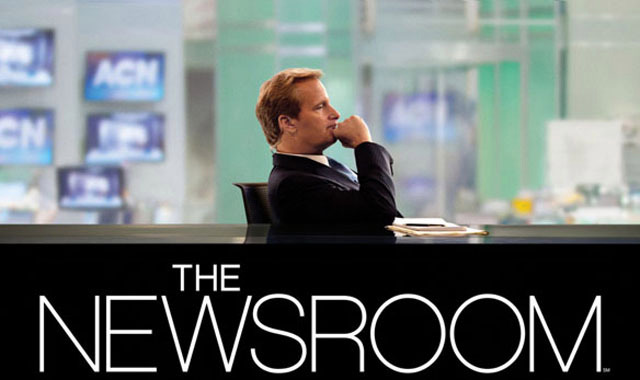
Given The Newsroom discusses this exact point. To start The Newsroom, a political drama was written by Aaron Sorkin and premiered on HBO on June 24, 2012. This show develops on the character of Will McAvoy, who is the news anchor and managing editor of the live show News Night. Throughout this pilot episode, we learn the challenges Will undergoes to recreate reliable reporting, and journalism is the storyline of The Newsroom.
As such, this shouldn’t be overlooked. As New station is fighting the clock to be the first to provide breaking news, it, in turn, creates shallow journalism. Simultaneously, there are more critical updates among our towns, cities, and districts that these networks weren’t covered.
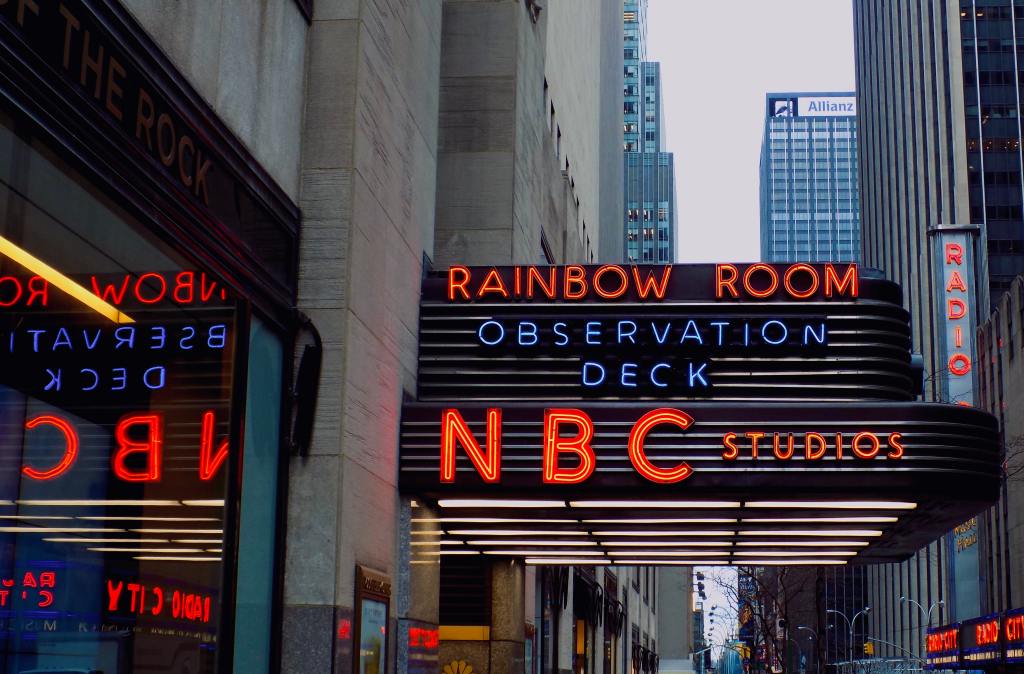
There’s plenty of time within my community that people reach out to these bring networks such as NBC, CBS, CNN, and Fox to cover news that pertains to the people. But what many of these networks are concerned with is not to create individual new but worldly information. However, many stations cover the same topic, “such as the election, America’s economy, politicians,” which goes on for hours.
This leaves me wondering how we can trust so-call reliable journalism when stations such as CNN, FOX, NBC, and many other stations are fighting the cloak to increase viewership?
As traditional television news coverage fades away, on-demand news begins to become more prevalent. Technologies have increased inaccessibility to information within this informative era, thus shifting viewers to desire on-demand outlets. “Increasingly, audiences want news on demand; they want to get news when they want it, and they want to be able to gather it from a variety of sources. This is having a significant effect on media revenues. News aggregators, websites like Yahoo! News and Google News that compile news headlines from an array of legacy news organizations to display on their pages, have become popular information outlets.” (Understanding Mass Media). Having on-demand access, I believe, gives more diversification to the network. While television broadcasters can be tracked for their repetitive nature, it remains to be slightly more difficult. Thus, on-demand news adds more articles, stories, and content that may or may have been covered during live primetime. It also provided an essential pressure on station to create content that meets the standards of quality news, or else many of their viewers will shift to another network.
My question to the reader: Is a News station for the people for propaganda?
“No democracy has existed in the modern world without the existence of a FREE PRESS.” Newspapers, specifically journalism has to be the foundation Of the United States, this form of media can enforce law, justice and create a nation. In 1733, John Peter Zenger publication his first copy of the New York Weekly Journal, which he was accused of libel and went to trial to ensure the court that the information printed about the defendant was public. Of course, this trial turn heads, as it showed that “truth is the best defense against liable.” Later this trial influenced the Freedom of the Press and was added as the First Amendment in the Bill of Rights. Consequently, providing newspaper outlets with credibility we see today.
In week 2, on Newspapers, we tackled the reliability journalism has on the circulation of media. And how journalism’s credibility can impact people’s minds. Based on the newspaper’s history of being unbiased and providing factual information in the years, this notion has fallen short.
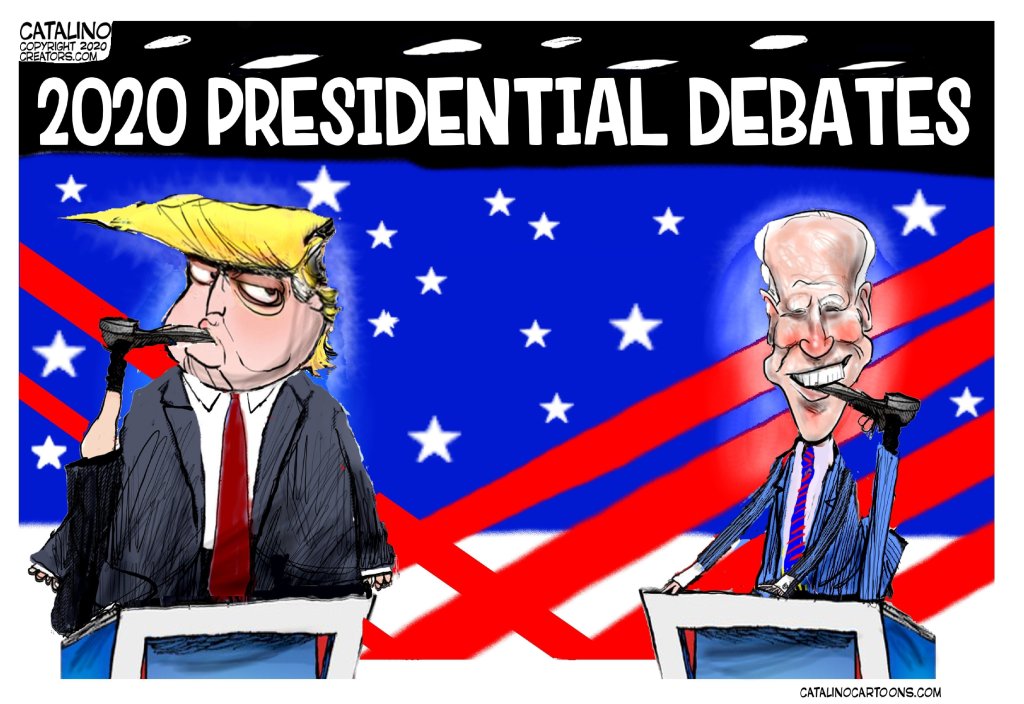
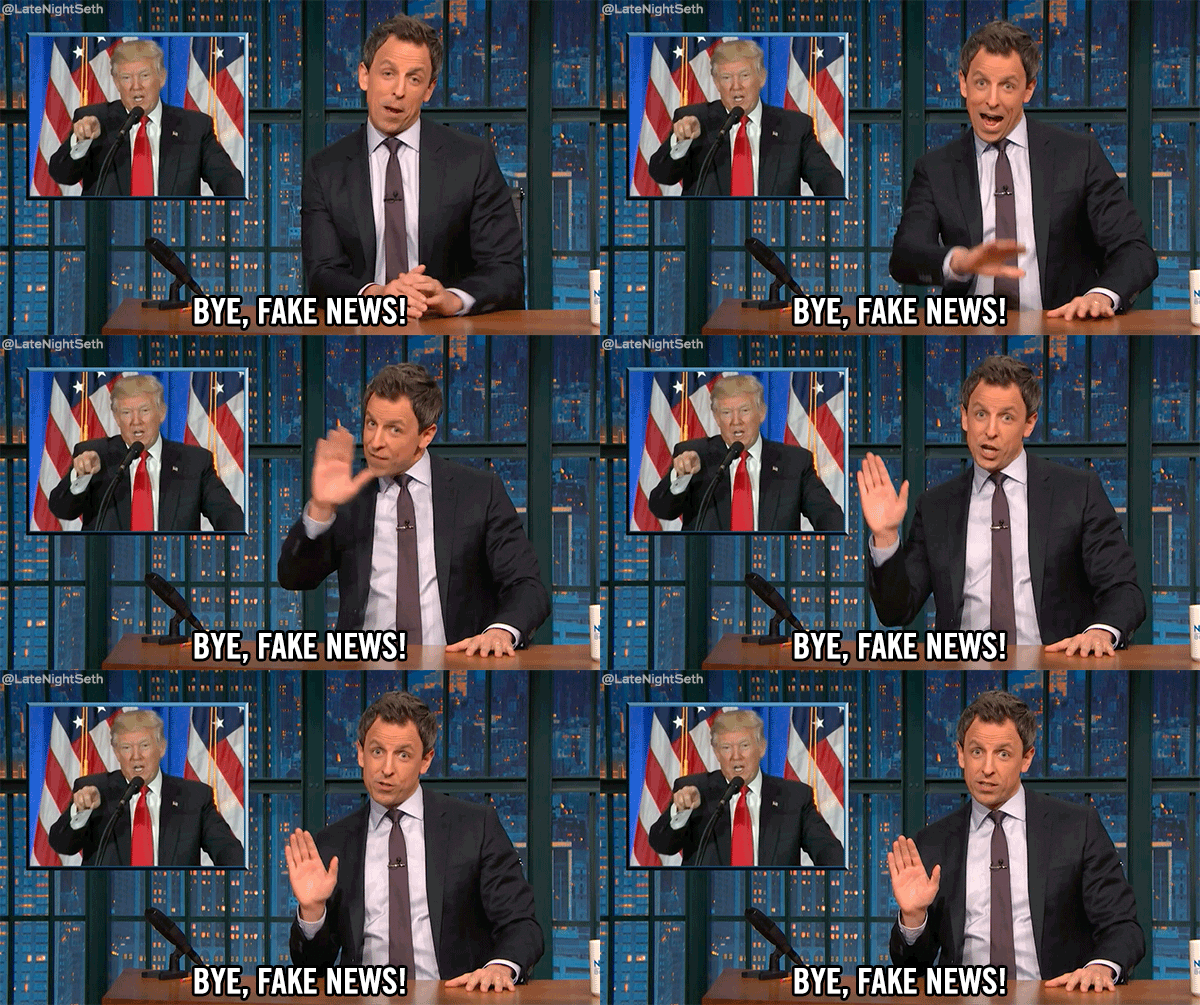
With the United States’ undergoing a political frenzy with the campaigning of Donald Trump and Joe Biden, I couldn’t help to wonder how media ensure “fakes news” was demolished.
Leading toward this election, many concerns were in the air if a similar incident occurred with the 2020 election, which happened in the 2016 election. In 2016, Russia took over Facebook and created target groups to persuade and fire up Trump supporters. In that demonstration, Russia interfered with the ballots and allegation that were published in American media outlets.
As 2020 voters prepared for this election again, during this vulnerable time for America, “fake news” can still travel faster than the truth.
Throughout our Former President Trump’s term in the White House, he called out media coverage as he sought to destroy media outlets that oppose to shine him in bright light. However, while that may not be how the world work, it did shine a light on how credible journalism is to the nation. This form of journalism is supposed to provide sourced-information on worldly situations— which gave citizens the decision to choose their sides or viewpoints on the given data. However, over the years, these creditable sources such as Washington Post, NYTimes, local Terbunes have become diluted to laziness and uncited text.
“Newspapers have control over which stories are told and how those stories are presented. Just as the newspaper industry has changed dramatically over the years, journalistic writing styles have been transformed. Many times, such changes mirrored a trend shift in readership; since the 1950s, however, newspapers have had to compete with television journalism and, more recently, the Internet. Both television and the Internet have profoundly affected newspaper audiences and journalistic styles.” (157)
On recent news, The News York Post’s published an article a few weeks before the election. As stated by the NY Times, “The article relied on documents purportedly taken from the hard drive to suggest that the elder Mr. Biden, as vice president, had directed American foreign policy in Ukraine to benefit his son, a former board member of Burisma Holdings, a Ukrainian energy company.” However knowledge of this alleged harddrive flew around social media as because NY Times was known to be creditable only a few questions it. Making this “fake news” a factor that could stagger Joe Biden’s campaign. Nonetheless, “The story was vetted, and The Post stands by its reporting,” a Post spokeswoman said in a statement; but left a terrible taste in the NYTimes mouth.
This, however, has led to a monopoly effect of the world carry a lie faster than the truth. For instance, podcasts, Facebook groups, and other news outlet have gaslight this story, which causes founders of platforms such as Youtube, Twitter, Facebook, and Yahoo to block this misformation before it “ignited a different kind of firestorm.”
The problem with many of these articles and headlines is that “only a small percentage of false headlines ever get checked and marked: Fact-checking is a painstaking, time-consuming process, whereas troll farms and internet bots can create and distribute misinformation with alarming speed.” (NY Times). However, This is a problem as traditional media has to ensure their headline are credible because readers most likely wouldn’t ensure what they are reading. Of course, while the Joe Biden incident may have reduced the confidence in all news outlets, hopefully, this encourages readers to engage more with critical thinking. If readers can effectively identify sources of misinformation, many incidents that have occurred wouldn’t have happened.
The obvious conclusion drawn from my evidence against “fake news” and the newspaper’s credibility is that it is essential to search for evidence-based proof. The US is a vulnerable time for media outlets, and mistrusted information can cloud our minds. Research has shown how misinformation is most likely lacking fact-checking, and this information is then sourced, which creates a pipeline of lies. It is more effective to take charge of what we consume and become our independent researchers to ensure reading isn’t fake news.
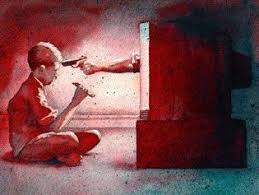
Since the beginning of the media, parents have worried about the amount of violence present on television. Worried if their younger children are becoming brainwashed, George Gerbner, in his research, analyzes how watching violence can desensitize us to everyday violence. This desensitization from reality makes younger children unaware of the emotional fear and mental, sensory others experience when in violent situations. In this week’s screening, “Mean World Syndrome,” George Gerbner took three groups of television watchers ranging by the amount of time spent watching. Categorizing them into three groups from A two hours and less, B two to four hours, and C fours and more; he found that people who were heavily consumed by television lose sight of reality. Group C notes their perception of mass media influences their views on society and enforces their violent thought. Nonetheless, these heavy watchers are affected in the long run as this television watcher culture can be manipulated and capitalized for the worst.
Throughout Gerbner’s research, I wondered how available Gerbner’s analysis is and how substantial television stations may take advantage of this culture. As we see today, media coverage runs a fine line of “fake or biased” news. For a long time in African American history, we have seen how movies, televisions shows, play, and songs have painted this group in a terrible light. Enforcing a narrative that Black males steal, are thugs, have drugs, or gang-affiliated. These narratives are distasteful as they create pre-notion and false judgment on a group other may have no real understanding about. Thus this group has been criminalized, underrepresented, and even worst, killed. Media has forced other judges to approved society’s hateful action, in turn, implementing Gerbner’s research that media can consume your perception.
While violence is a primary concern many parents have with media consumption, many other psychological ensure that shows have mass media effects on the mind. For instance, it is a sort of gratification present when a majority of people share the same ideas as one may. Psychologically a person may protect their ideology by not engaging with others who may oppose these views.
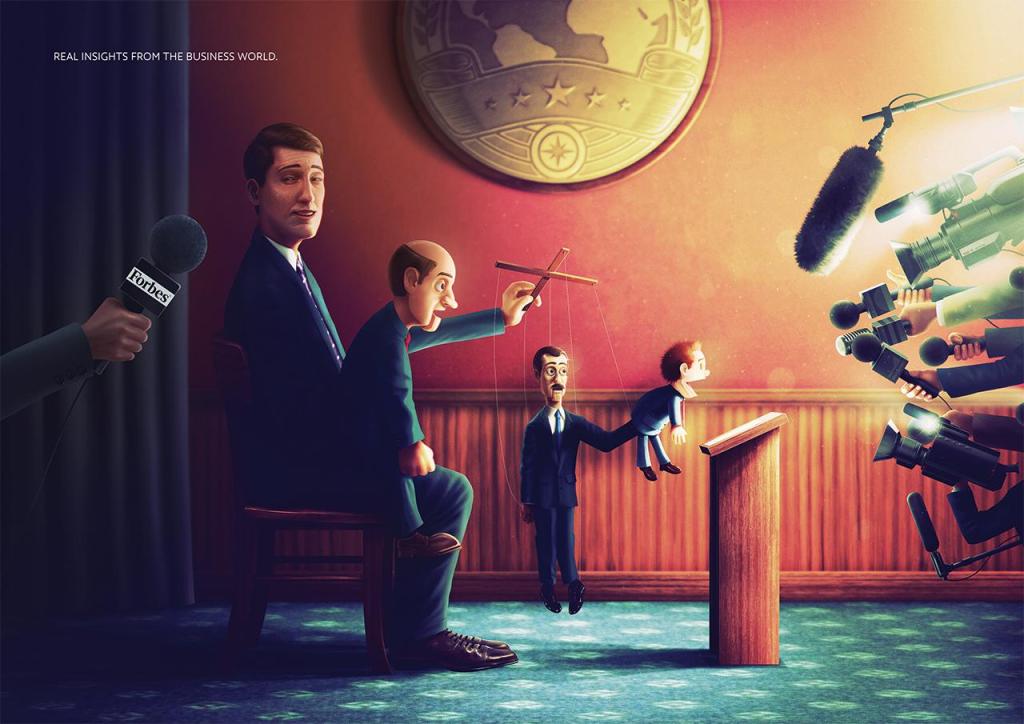
Proretaining to today’s culture shock of covid-19, political, racial, and social climate media has been a crucial factor influencing many of our human behavior. News stations such as CNN, NBC, FOX, PBS, and the local station has been many of our connection to the outside world while we are stuck inside. While these stations may state their credit, these stations remain opinion-driven and can give the view an abstract message. Their perspective on specific topics leaves viewers feeling one way or another, thus dividing our nation and creating tension between these two opposite groups. As we remain indoors for the rest of our days, I can only worry about how much influence media outlets have on our minds. We are now puppets on what we have seen, so who knows how long society can last with misinformation.
A question to the reader: How has misinformation shape your view on society?
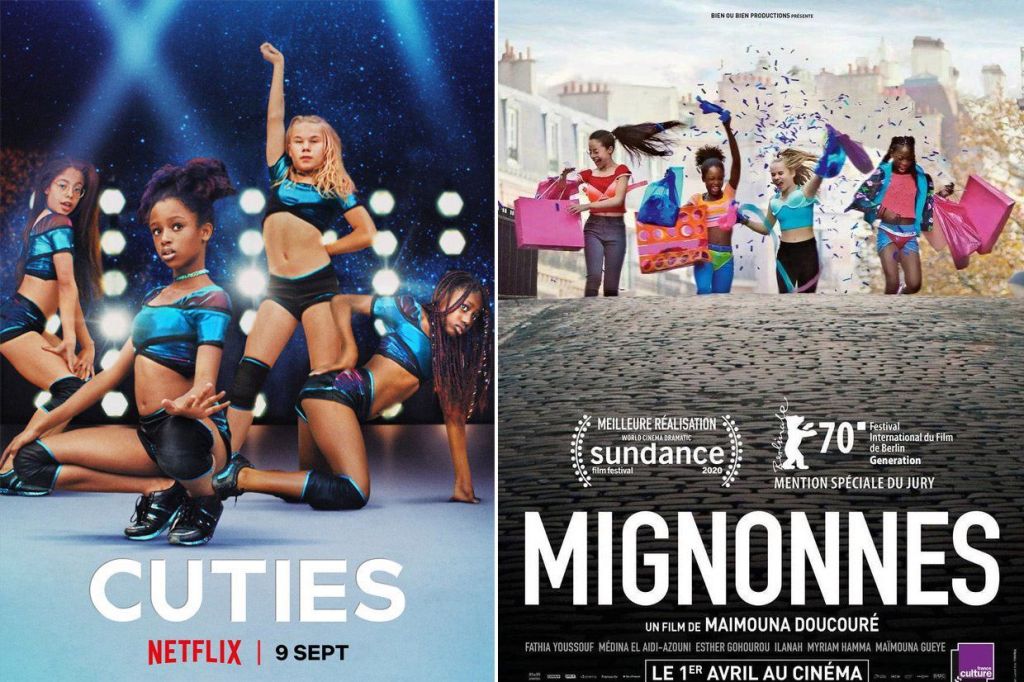
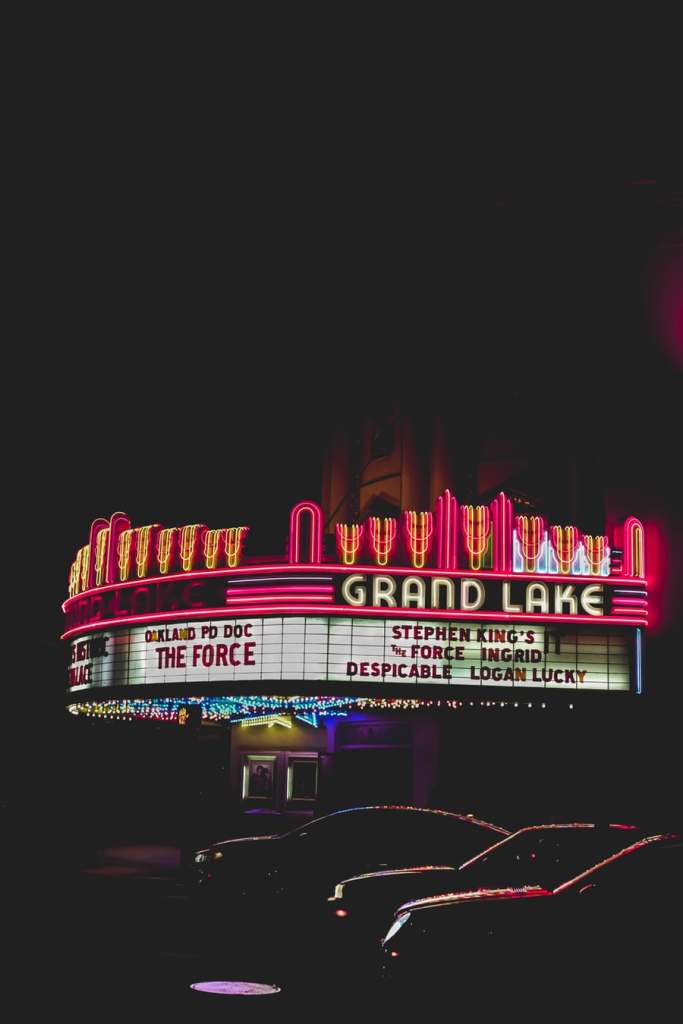
As I fight the urge to click on Netflix for the third time today, I noticed a new film was out called “Cuties.” Directed by Maïmouna Doucouré, Cutie is a coming-of-age drama film that stars a dance crew of young girls whose strict Senegalese family’s tradition has resulted in their rebellion to express themselves. Nonetheless, in these recent days, Netflix has been experiencing enormous backlash on this movie as it is rated TV-MA, and critiques believe it is illuminated child-pornography and sexualize manners. First, and for most, TV-MA is ranked as a mature adult audience. Intending that this program is for a mature audience and contains content that may be “unsuitable for a child under 17.” As the controversy leading with this film began to grow, I can only wonder who rates our movies.
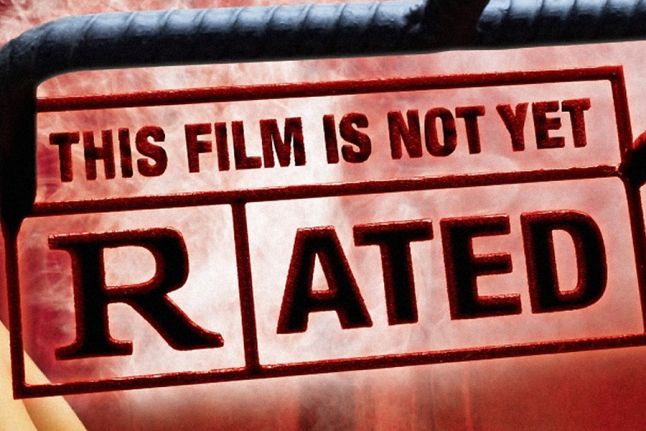
In this week’s screening, we uncover the secret world of the individuals who governor what the world consumes. “This Film is Not Yet Rated” is a documentary directed by Kirby Dick’s that examines the “standards and methods the Motion Picture Association of America (MPAA) uses to rate movies.” The MPAA “was established in 1922 by the major Hollywood production studios in response to increasing government censorship of films, which arose in turn from a general public outcry against both indecency on the screen and various scandals involving motion-picture celebrities.” (Britannica.com) The MPAA, which was seen in “This Film is Not Yet Rated,” is sought as a secret world of people whole watch and rate movies. These individuals aren’t disclosed, which the MPAA director states for their protection. By protecting the boards and raters, identity ensures that they are threatened or persuaded to rate the movie favors.
However, with this organization’s secrecy, I can only wonder the negative effect of hiding the board’s identity can have on their reputation and alliances. In the film, MPAA was sought to favor larger production studios such as Paramount, Universal, Sony Pictures, etc. After providing the rating for these huge production studios and independent film, it was recorded that the MPAA director shouldn’t provide information on the parts of the film that was out of appropriate guidelines but provided information to largest studios.
“Lacking the finan-cial resources and contract talent to mass-produce movies for a declining market they no longer controlled, the studios now relied on independent producers to supply “packaged” projects that the studios would “green light” for production, putting up some portion of the budget in exchange for the distribution rights, and often leasing out their production facilities as well. This meant ceding creative control to independent producers and freelance directors, and also to top stars whose “marquee value” gave them tremendous leverage and frequently a share of the profits.” ( The structure of the industry)
While most of the board is still in secrecy, many questions remain about who and why people such as MPAA dare to become the “all-might decider” if a movie should be funded for distribution into a movie theatre. Thus, Netflix movies like “Cuties” that claim ratings such as TV-MA, which who knows may have been rated differently if it wasn’t under Netflix.
My question to the reader: IS NC 17 (No children Under 17) worse than R (Restricted audience)?
Storytelling has been around since the dawn of humans. Defined storytelling means “the activity of telling or writing stories.” As a form of expression and a way to bring other humans into the world of an individual’s consciousness. As such, the tools someone chooses to tell this story leave room for innovators to be creative. Hence the birth of motion pictures, also known as movies, was born. The film gives the audience depth and sensory realism in the form of frames. These frames attached to other structures give us a sequence, and with that, a new way of storytelling was created. Initially invented in Lyon, France, Auguste, and Louis Lumière invented the cinématographe. The “lightweight film projector also functioned as a camera and printer.” (Understanding Media and Culture). The camera’s attributes gave the ability to capture outdoor filming and travel more efficiently. Patenting their invention, Louis Lumière lacks hope in their vision, but the demand for this new entertainment form proliferated. Around the world, information about their invention soar and a new era of feature films follow suit.
After the rush of silent film, moviegoers became excited by the thrill of the creation of movies. Before sound, silent cinema was mostly animated actors, orchestra, and sub cards, which helped the audience follow the story. Director and filmmaker D.W. Griffth grew in reputation during this era to learn a new technique of storytelling. Practicing parallel editing, he learned how simultaneously illuminated illusion and emotions. This was great as it heightens viewers’ scenes to drama, thrillers, or actions. Many other filmmakers learned the technique in editing that added value to the motion picture through silent film. Also, Griffth used his newly discovered technic to captivate his audience in his controversial film “The Birth of a Nation,” which spoke on political differences in society.
Nonetheless, places like the United States wanted a piece of this pie. Realizing the massive spike of theater attendance and the power films had to motivate a nation, Hollywood became focused on creating their entertainment industry. “Control of the movie industry was exercised by the so-called Big Eight studios, whose filmmaking factories in Hollywood fed their nationwide distribution operations. The most powerful of these firms were the fully integrated Big Five studios– MGM, Warner Bros., 20th Century Fox, Paramount, and RKO – which not only produced and distributed films but operated their theater chains as well.” (The Studio System and Conglomerate Hollywood). Independent studios worldwide began to owns rights to writers, directors, actors, release, distribution, and viewing. United States transformation into their own powerhouse in the entertainment industry attributed to its “Golden Age” in cinema, which occurred in the late 1930s and early 1940s. In parallel, during this time, World War II was occurring, movies became a form of escapism, while also illuminate a new wave of people anti-war. Nonetheless movie industry increased in revenue which also increased U.S. economy.
My Question to the reader: Explain how your favorite movie made you feel while watching?
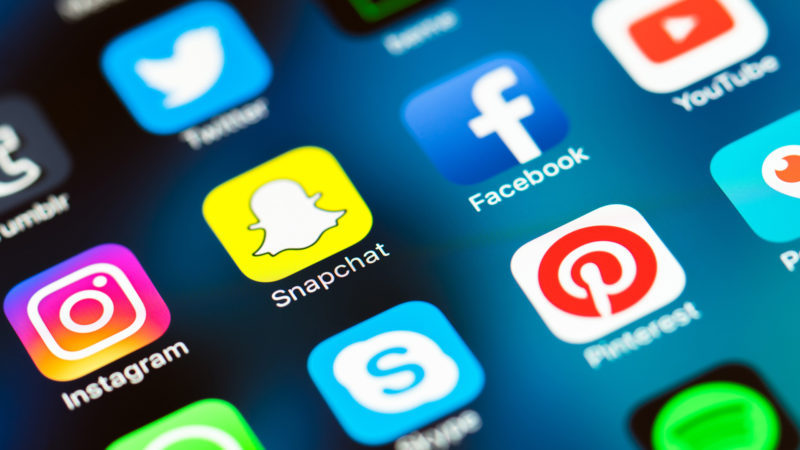
Social Media for earlier generations, has been the source that brought many of us together. A platform such as Facebook, Instagram, and even Youtube became a connective network that allows for individualism on personalized platforms—in turn, creating a universe where people can illuminate their interests and what brings them joy. Simultaneously, this may seem like flowers and rainbows; however, these platforms have created a different work ethic and social currency. Younger generations desire to be relevant or, even better, “famous.” Spending countless hours to be seen through the noise; this week, we dive into the world of social media and the effects it has had on young adults.
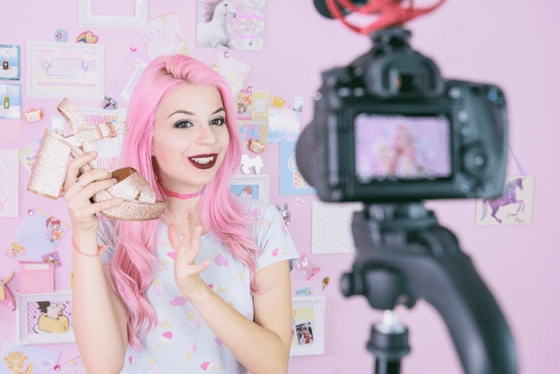
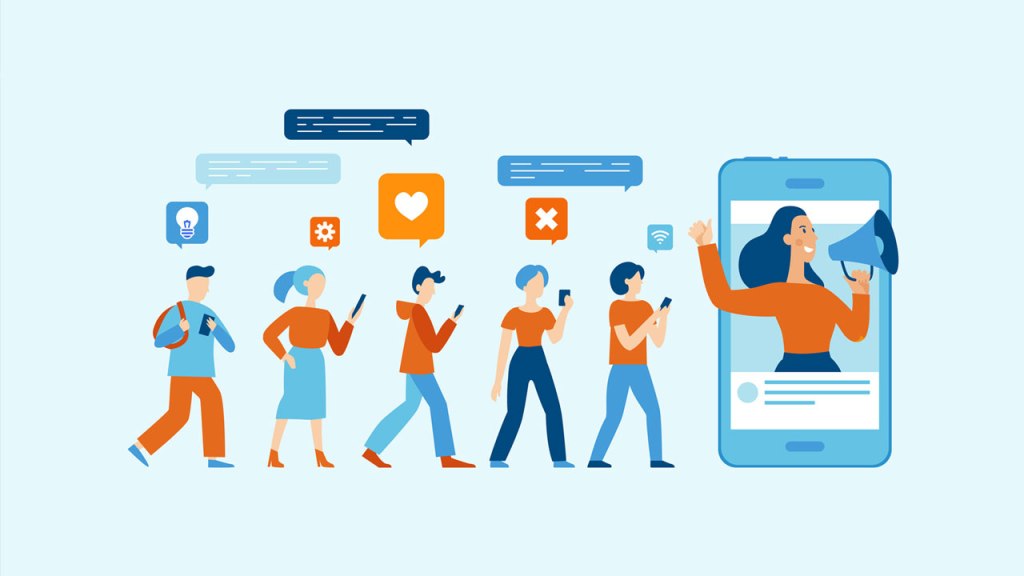
In the Frontline screening of “Generation like” by correspondent Douglas Rushkoff (The Merchants of Cool, The Persuaders), he explores the impact today’s teens face to stay relevant within their “culture — artists, celebrities, movies, brands, and even one another.” Discovering that teens find social currency essential to their impact on culture. Many teens equate their importance to their engagement and audience. How much likes, comments, or reposts a person receives emphasize their worth. Teen thoughts on engagement have fashioned a world of opportunity for brands to reach out to social influencers. Resulting in these influencers’ enormous audiences viewing the product or service of the brand. Influencers may receive free brand merch, incentives, and money for their collaboration with these brands.
This collaboration, however, enforces brand marketing by the personal creator. Creators are pushed to advertise, increase their social presence, and work on the marketing end to hopefully catch brands’ eyes. Other people who look from the outside may not understand the work behind the scene to create these profiles. Especially with keeping up an online lifestyle, these lifestyles can consume teens day, so companies like “The Audience” were made to market and promote clients’ social presence while increasing outreach and stardom.
In the second Frontline screening, “The Facebook Dilemma.” this documentary breaks down the impact Facebook had on society, especially teens. While teens spend hours picking out the best profile picture or captions, many of that wouldn’t be a reality if it wasn’t for Facebook. Created by Mark Zuckerberg, Facebook is a social network to collaborate & connect with friends, family, and the world on like-minded ideas or topics. On this platform, the guest can personalize their page with pictures, captions, friends, etc. However, it was not regulated in Facebook’s infant ages, which created an epicenter for bullying, harsh language, social conversation, and controversial behaviors. Teens and many others have joined this platform to voice their opinions on life, hoping that others would feel likewise.
Nonetheless, with Facebook outreach growing in millions every day,
“Scholars worry that the social network can create “echo chambers,” where users see posts only from like-minded friends and media sources. Facebook encourages users to “keep an open mind” by seeking out posts that don’t appear in their feeds.” (Wall Street Journal)
While having a social presence keeps many teens connected, it still is a place that is not filtered from bias and facts. It is primarily for a teen using these social platforms to realize it is more than what it seems.
Question: How has social media impact your view on society?
Who would’ve thought that the day would come where we looked to each other and say, “we’re too connected.” In the ever-changing world of technology, the internet has been the vehicle that gears this rapid change in society. Our new normal is becoming countless hours in front of a screen while multitasking between emails, messages, funny videos, and assignments. Researchers wonder how this overconsumption impacts our future generations or better, the world?
In this week’s screening and reading, we dive into the impact the internet has on our children’s minds and the changes society has opted into to keep up with this new technology. In Frontline: Digital Nation producer Rachel Dretzin explores how the Web and digital media have fabricated a new modern culture. A culture where working, learning, comprehending, and connecting with one’s pears has changed dramatically. In this documentary, we see a current student’s world as they undergo their day to day school. Students and professors explain their frustration with remaining concentrated and screen-time health hazards.
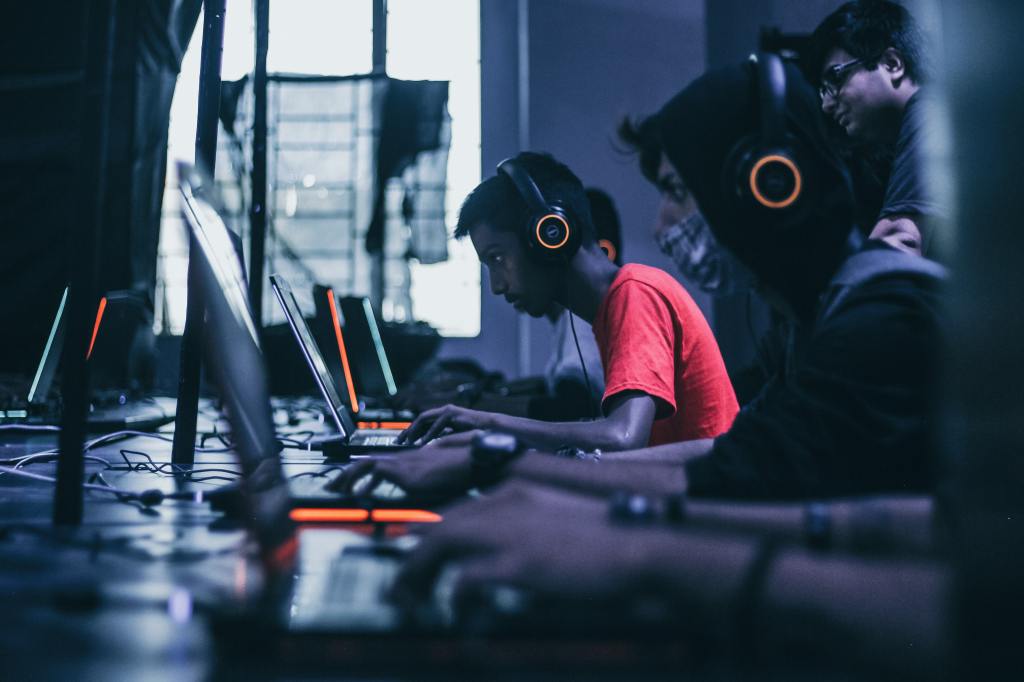
In countries like South Korea, which at the beginning of the digital era used the internet as a marketing tactic to refine their image in the modern world, they are receiving backlashes on young adults’ health. In today’s sense, South Korean has moderated its entertainment realm to increased tourism, surged economically, etc. With that change, it has increased students’ internet access. There are plenty of pop-up PC gaming rooms around South Korean, allowing 24hr access to fast speed internet and computers for guests to play for hours. While many students think it’s a great time waster to escape the intensive world of school and life for a moment, it has lead to a crazy health hazard. Cases have surfaced of students dying after going hours in gaming marathons with a lack of food and water, and the strain screen-time has on vision and hearing. When the interviewer asked, some of the students filmed if they got their school work done and believe they are addicted. Many students negated the answers as they thought they weren’t addicted but instead just having fun.
Even in America, many students spend countless hours in front of screens that affect their social life and comprehension of the information they are obtaining. Stating to Understanding Mass Media, “There are three important aspects of communication that the Internet has changed, and these have instigated pr the way we connect socially: the speed of information, the volume of information, and the “democratization” of publishing, or the ability of anyone to publish ideas on the web.” (459)
Because many of today’s students base their day today on the internet for many, they cannot live without it. Even MIT students who’s entire career are based on remaining online tend to catch themselves believing they can “multitask.” Throughout the day, many students are doing work, emailing friends, on Facebook, on a date but ultimately never focusing on one task for too long. Many of these students’ societal climate is highly shallow as they realize that no one is actually listening but instead worrying solely about themselves.
Question: How did you feel when you stepped away from your phone and saw your peers glued to their screens?
Since the beginning of television, modern entertainment was seen as an all-men world as most men held many positions of directors, anchors, actors, producers, etc. Until the 1960s, when television began to broadcast real-world events and the tragic death of John F. Kennedy, the world sought escapism on tv. During the late 60s, shows began to pop up, such as I Dream of Jeannie and Bewitched. “Both shows typified the situation comedy, or sitcom, a comedy genre featuring a recurring cast of characters who resolve zany situations based on their everyday lives.” (Understanding Media and culture)
Consequently, with the surfacing of comedy shows, it also opened the door to women become wildly prevalent in newer programming. This week’s viewing, we start off looking into the Pioneers of Television: Funny Ladies, where these women broke through the double standards that women couldn’t be beautiful and funny at the same time.
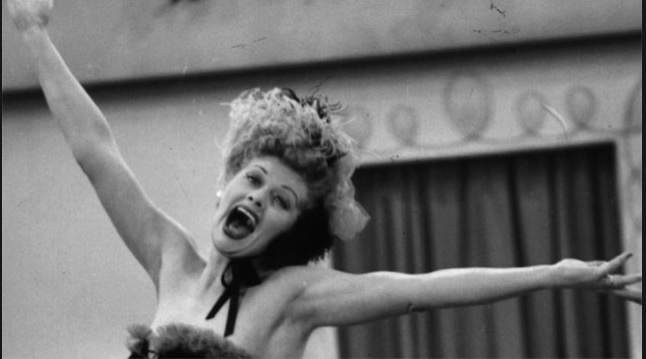
In this 50 minutes episode, viewers receive a glimpse of the pioneers who were the real daredevil that paved the way for future television comedians such as Tiffany Haddish, Mindy Kaling, Sarah Michelle Gellar, and many more to run today. This episode follows Joan Rivers, the late Phyllis Diller, Lucille BBall’s Mary Tyler Moore, Betty White, Maria Gibbs, and Carol Burnett. They all earned their path as the “funny girl” as they found their space as tv comedians. Interestingly, finding a space where women never existed. Comedy is a relatable form of expression. Comedians open up about most of their lives as they make jokes that many individuals will most likely relate too. Many of the women in the episode spoke about various producers having no hope in women comedians. It was thought to be taboo and extreme for women to joke about pregnancy, personal life, etc.
Nevertheless, because of these women forcing and creating their own spaces as the “funny girl,” they also exceeded viewership rating and became household names.
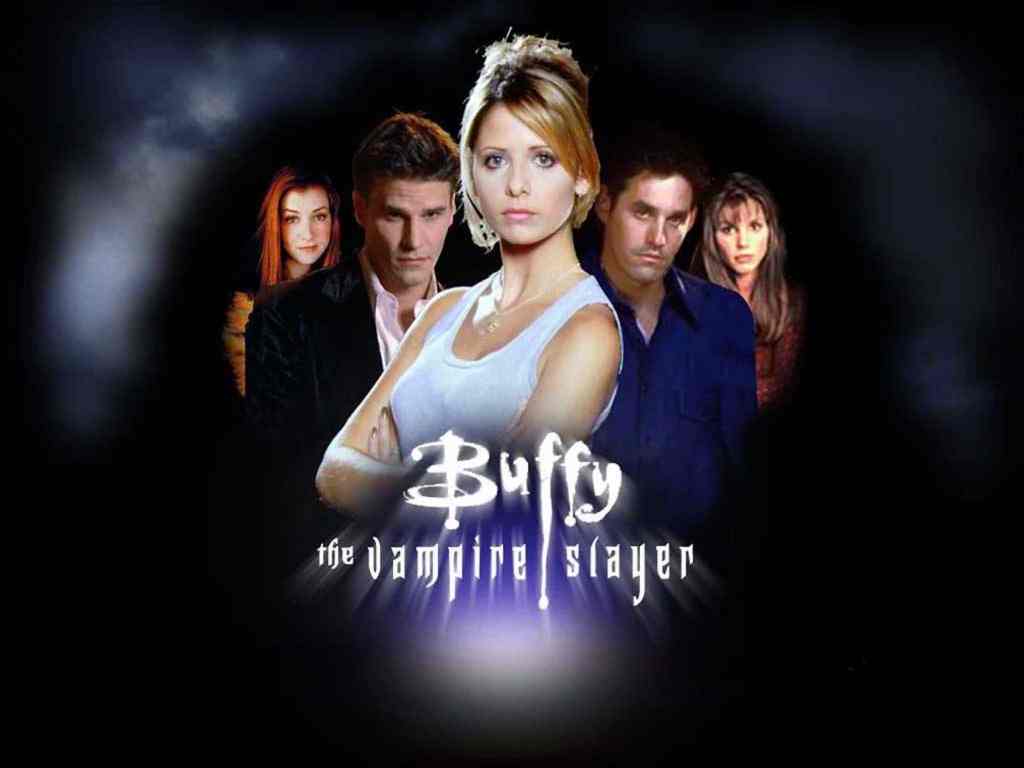
More recent shows, such as ” Buffy the Vampire Slayer,” starred Sarah Michelle Gellar and premiered its first episode in 1997 on The WB network. Making itself another show that had a leading actress that is a woman with layers. Layers consist of a variety of emotions, genres, and especially comedic aspects. Our second screen was on the episode Hush, which asked the question…
What is effective communication?
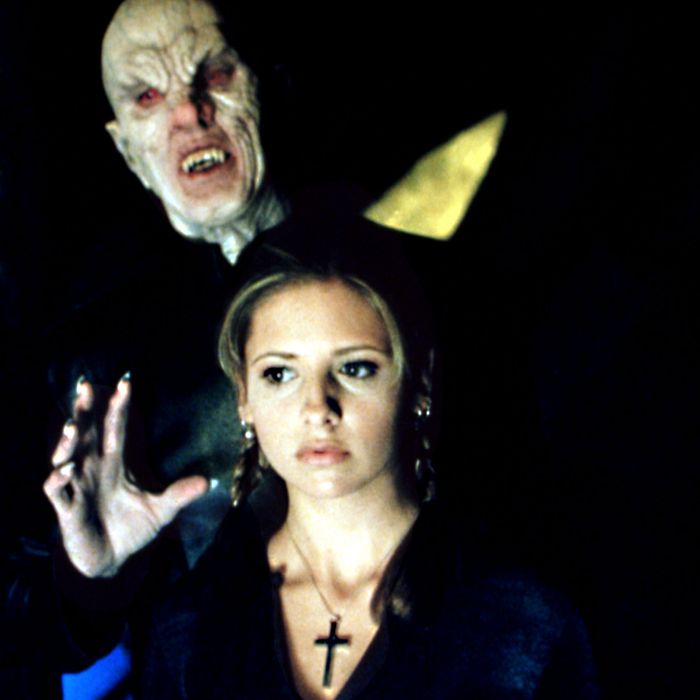
At the beginning of the act, Buffy and her friends enter a room, and no one is listening. Talking over one another, complicating, becoming frustrated, and as we see, everyone’s emotions are becoming frustrated and irritable. A strange disfigured monster appears and casts a spell on the entire town, which causes everyone to loses their voice. With the new challenge of no one having their voice, Buffy and the team must find an effective way to communicate and defeat this villain.
Besides the fact that Buffy is an actress that came after an ancestor of past “funny girls,” this episode provides a clear shift of how cinematic shows have become in the past decades.
Buffy the Vampire Slayer: Hush is a “silent show,” which uses scores to enhance the emotions and questions each character may express. They provide actors with an opportunity to go outside their physical lines and experiment with effective communication with the cast and viewers. Watching Pioneers of Television and Buffy, The Vampire Slayer gave a beautiful glimpse of how far television has come among the years.
Question: Other than the “funny girl,” what are other spaces women have conquered, and how may that relate to you?











 Mass Media and American Life