
The Music Industry is vast, full of diverse songs and can define cultures just by its very existence. Songs can define generations, countries, movements, and everything else in between. Many consider music a necessary part of their lives, while others use it for simple background noise. But there is an artist behind every track, with its well worked on compositions and notes. And with it comes copyright laws, that as of recently, have really hindered many content creators and even many of the artists themselves. The only ones that benefit are the ones that abuse the system to its fullest, for profit.
The internet is a grand place, and also a chaotic place. Really saving your work as your own is incredibly difficult without a system in place. In this case with music, there have been many controversies with MP3 Downloaders, streaming services such as Spotify and Pandora, and YouTube. There are many ways to receive these products for free, while before, it had to be bought through CDs and seeing the artists in person. In 1998, in order to combat users from taking works as their own, Congress passed the DMCA Act.
These DMCAs are essentially a way to combat people who try to claim ownership of their works by filing claims towards them. It is reviewed to see if the claim is true then the ownership of that type of media is then given back to the artist.
YouTube is the first thing I will talk about in terms of copyright claims and DMCA. Most of the ownership claims comes from using music that they did not have permission to use. For example, a copyright claim for using 6 seconds of a song in a video. While incredibly strict, they are forced to do this due to DMCAs and how much artists want their works protected.
However many have criticized how strict these claims can be, especially on YouTube. In the video, they say that even if you sing the song that is owned by someone else, it can be claimed still due to them owning the rights for every single aspect of said song. But YouTube themselves have stated in their rules, that if creators make their content under “Fair Use”, then copyright claims can be invalid.
Under Fair Use, you can use copyrighted material as long as the content does not claim direct ownership of said material. The most referred to part of Fair Use is “transformative content”. As long as the copyrighted material is used in a transformative fashion, then the content creator will not be claimed. A good example of Fair Use is for using content for educational purposes, such as a review of a movie or show, or using other material as a reference. Other such uses can include some clips and musical tidbits.
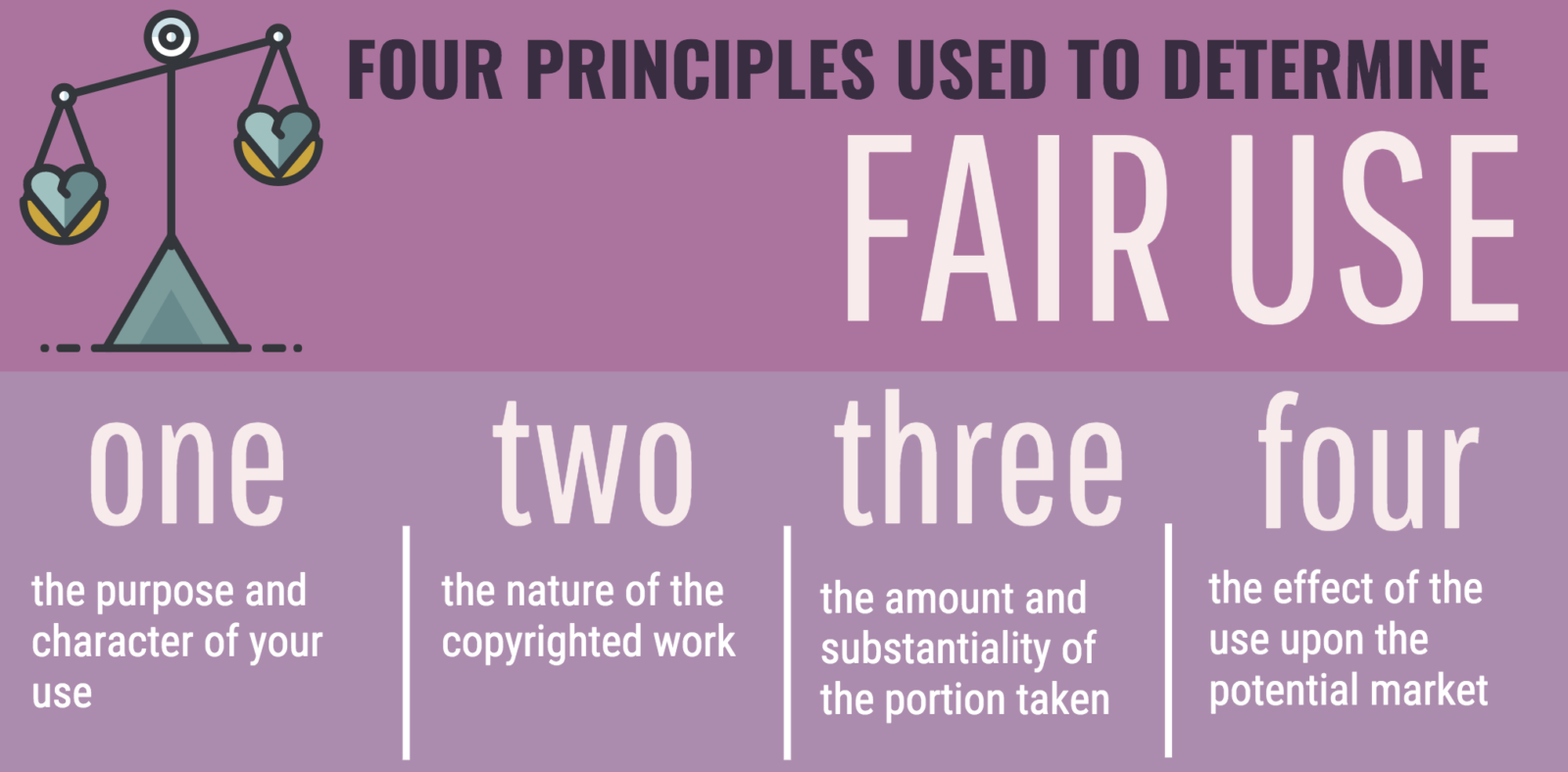
When it comes to music on YouTube, it becomes a different story, and alot more complicated. For one, does a 6 second audio clip of music count as copyright or is it still under Fair Use? How about a cover of a song, someone remixing it, or even just praising it? Many would say that as long as the audio clip is not directly said by the content creator that the audio is theirs, that it counts under Fair Use. However, YouTube is a lot more stricter when it comes to that. Any audio clip that’s copyrighted, if not used in a transformative way, can have the potential to be copyrighted. In doing so, many content creators have used either copyright free music, or asked for written permission to use their music.
There have been many instances of this not really benefiting anyone besides YouTube. The copyright system automatically stops revenue from flowing into the video, even if its a false claim, and instead gives the revenue to the copyright claimer. There have been some Music Records that have used this to basically strongarm channels and potentially receive extra revenue for little to no effort. Artists, who are supposed to benefit the most from this system, can have the system work against them. A very famous case of this was between the artist TheFatRat, and The Ramjet. Ramjet copyright claimed one of TheFatRat’s own song and prevented revenue for the artist, while attempting to claim the music as their own.
Twitch is another such site that has been recently hit by DMCAs, however, it was not always like this. Twitch is famous for its streamers and a variety of content, from gameplay to technology. What many streamers tend to do, as it they have to entertain people for an extended amount of time, is play music. Some have made deals, and some just use music as much or as little as they want.
Now, what Twitch streamers have been doing with music was and still is technically illegal in the eyes of DMCA. Their content is not transformative enough to be considered Fair Use and they have been doing this openly and publicly for quite a while. The only reason that this is recent is because they were never punished for this. Now, they are. However there is one key thing here that makes most Twitch streamers incredibly scared. They were never warned that this is something they should not do, and DMCA strikes are being issued for saved videos on their channels and even on their clips. This has made most streamers panicked, for a permanent ban on Twitch basically means an end to their career as they know it.
Now, there is no way to combat this as of now besides fighting them directly, which is not recommended. Many have said that this is not YouTube or Twitch’s fault, it is mostly how Copyright Laws are made that are at fault. Fair Use is not explained quite enough for content creators so they take literal shots in the dark, claims are one-sided towards the claimer, and there are no official warnings whatsoever to the piece of content being claimed. All in all, it seems to benefit companies and records that claim indiscriminately then artists trying to genuinely protect their work from being copied.
 Mass Media and American Life