
We are told in our told in our readings that fan culture began with baseball. As a baseball fan myself I totally understand how this might happen since became hooked from watching one game five years ago. The word fan comes from fandom which means fanatic which is what I am with baseball. Fandom takes many forms and it is what motion pictures and television try to develop and nurture.

We saw in the Galaxy Quest documentary and in the Jaws 45th Anniversary parody, fandom can take a cult-like appearance. The documentary discuss many aspects which lead to this, from a strong and convincing plot to costumes and makeup which are somewhat realistic but not over the top. The characters need to believable and authentic. It is a peculiar blend between realism and fantasy, novelty and consistency. The Jaws Wemake takes this one step further with by integrating parody into the mix.

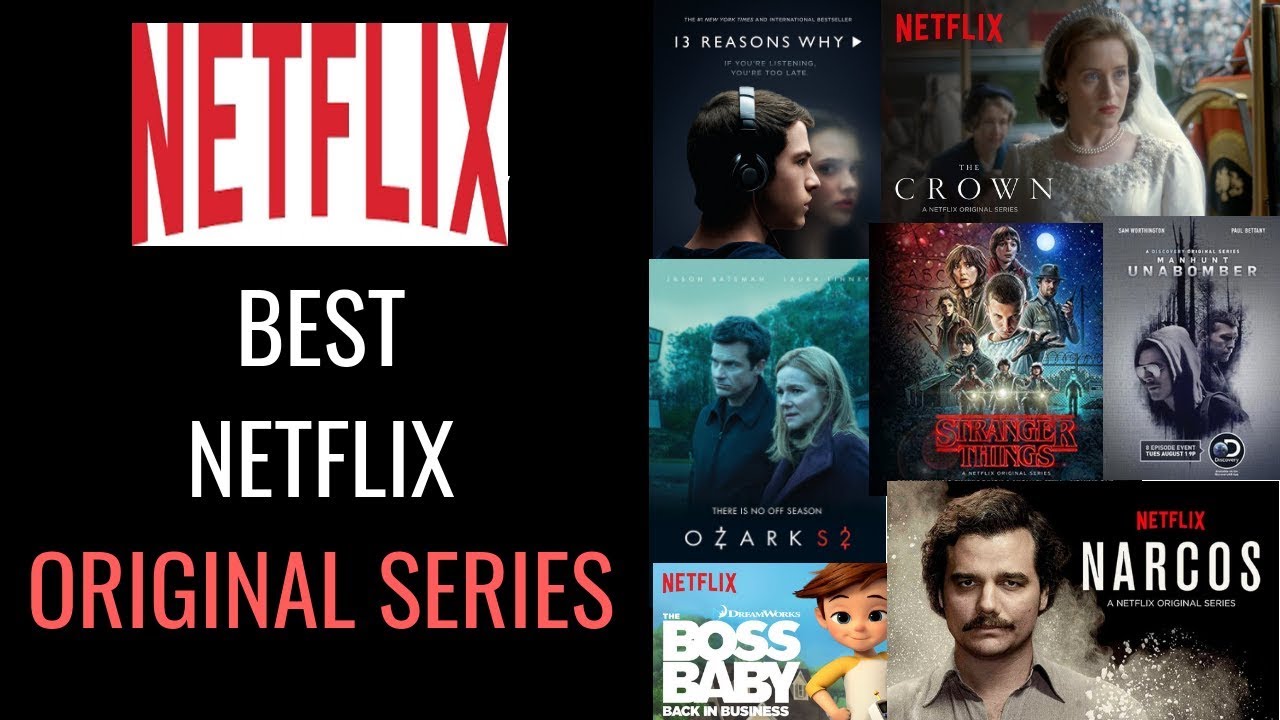
The slide presentation examines the uses and gratification that the media has on people. These include: cognitive needs, affective needs, personal needs, and tension free needs. Media should not only make us think but it should also makes us relax and engage us on a personal level. This is what happens when one enters the realm of fandom. You may not only identify with the characters, but you are emotionally drawn in by them and you may begin dressing and acting like them, maybe even joining a club or attending a conference of like-minded individuals. From a marketing perspective it is what people in marketing dream about. How do you hook someone into a story. Soap Operas learn this formula in the 1950s by hooking housewives into daytime dramas. Now we have Netflix with its ten part series. It’s just long enough to get you hooked and even binge watch, but not too long as to lose you along the way.
Henry Jenkins talks about the movement from participatory culture to a political culture in the Big Thinker series. Jenkins start with Folk Culture and how quilts were started within a community with various people contributing to different pieces of the quilt. They would learn from each other, with one person who knows something more about something teaching another person. He then compares this to the Internet Culture where people are sharing information and demonstrating their expertise while teaching others how to do what they do. It is a community on a global scale engaging in dialogue and sharing information. He uses the Harry Potter Alliance as an example. writing on the heels of this enormously popular series in organization formed to recognize and eradicate some of the evils and ills of the world. They call themselves Dumbledore’s Army. This group of 100,000 help fight human right violations in Dafour, the earthquake in Haiti, and advocate for gay rights. Jenkins also talks about how to move engaged students into action such as changing the Moby Dick entry on wikipedia and helping students find the right evidence to convince scholars of the need to make changes in the entry.

Alan McKee takes an academic look at fandom and examines not only the history of fandom and reminds us of Cicero and how the masses consume culture. McKee discuss the Buffy The Vampire Slayer and notes that this popular TV series has a journal of Buffy studies and website dedicated to fan and academic studies of Buffy. It is in this realm that McKee sees the blurring of “humanities intellectuals” such as those studying Buffy to the fan. Ironically, he concludes by saying: ” we are the fans who are lucky enough to get paid to be fans.”
 Mass Media and American Life