
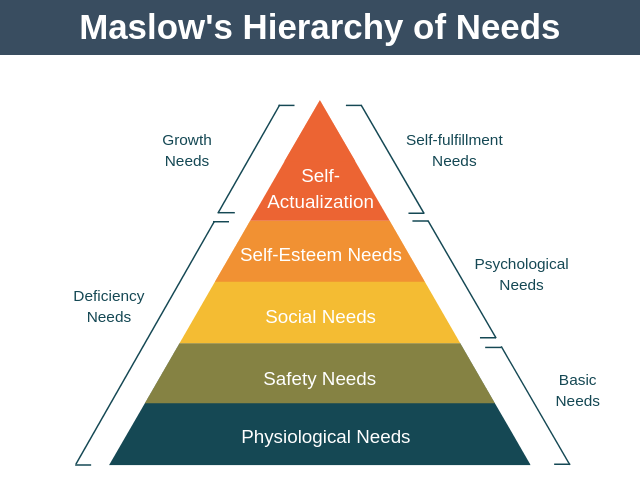
Over the past moth we’ve analyzed a number of media theories that attempt to justify and explain the media’s impact on their audience and vise versa. This past week we went over the Uses and Gratification Theory and were also tasked with watching Never Surrender: A Galaxy Quest Documentary and Jaws WeMake 45th Anniversary Tribute. These two selections are great examples of what this new theory embodies. The Uses and Gratification theory is based around an active audience and is an approach to understanding why and how people use media. Maslow’s hierarchy of needs outlines four basic reasons/needs for someone to use the media and can be simplified and applied to this series as; Information, Personal Identity, Personal Relationships, and Diversion.
One of the main aspects that we focused on in this theory was the idea of fandom, or personal identity driving you to use media. When you are a fan of something it is part of your personal identity. Part of this theory discusses how part of the reason we use media is to reinforce your own values or interests. Whether you are a huge fan of Star Trek or Jaws there is always more people out there like you who want to build relationships and talk to others with the same interests. No matter if it’s sports, food, or politics, I can see how this theory affects our day to day lives.
Galaxy Quest was a 1999 parody film originally created to celebrate the fans of Star Trek starred by many familiar faces. It follows the story of the cast of an old Star Trek like series who are visited by aliens who view their series as an accurate documentary.
Hardcore Star Trek fans, widely referred to “Trekkies”, have been one of the most widely known groups of cult media followers. This parody is generally loved by the community as it was directed towards the fans themselves and their own personal values.
The same can be said about the 45th anniversary of Jaws and their cult like followers. These communities of people are all drawn together by similar interests and these remakes/parodies are used to unite and attract these specific people and others who haven’t found out how interesting it is yet.
Knowing that we are psychologically drawn to people with similar values, beliefs, or interests, do you believe that is is morally acceptable to use this information to your advantage? Referencing Facebook/Google using an algorithm to track everything you do and use it to generate ads and recommendations to “further advance your experience”.
 Mass Media and American Life
I agree with you on the fact that Star Trek has the biggest fan base. If ever talking about fan pages or fan accounts, Star Trek has to be in conversation.
LikeLike