
Fans. Fandoms. What could be cooler? One of the best things about media, especially movies and TV shows, is that people have the option to be actively involved with them. Alan McKee talks about fans in his reading, “Fandom.” He says that the word and definition of a fan originally came from describing enthusiastic audience members of baseball in the 19th century (McKee 67). The definition of what a fan was later spread to include other things, like TV shows, with Doctor Who fans being the first to be studied (McKee 67).
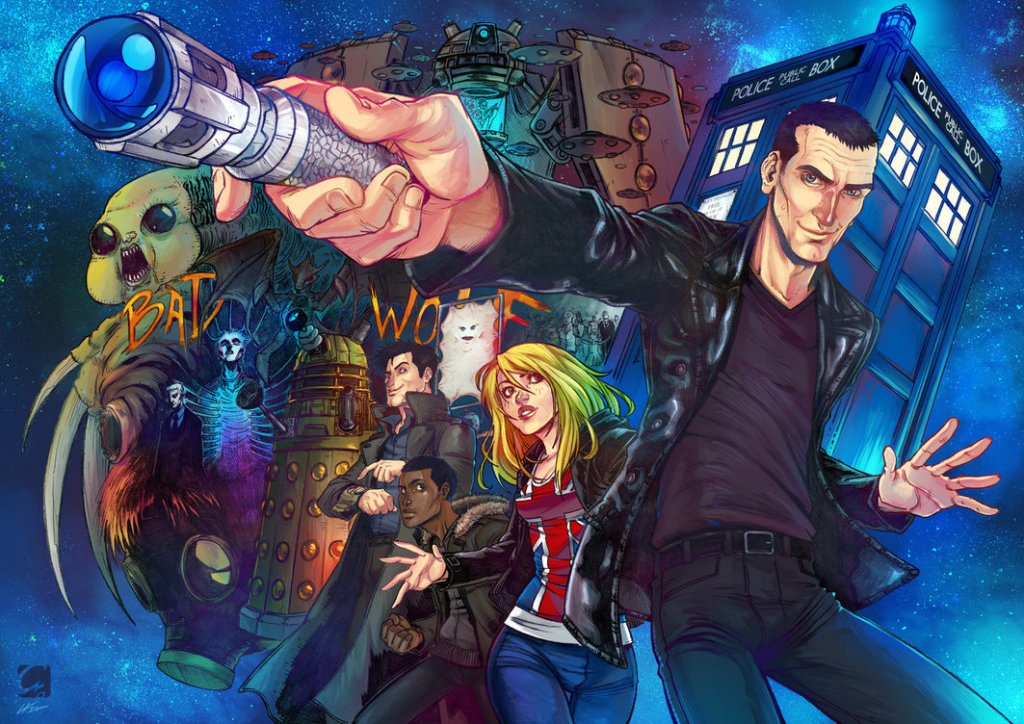
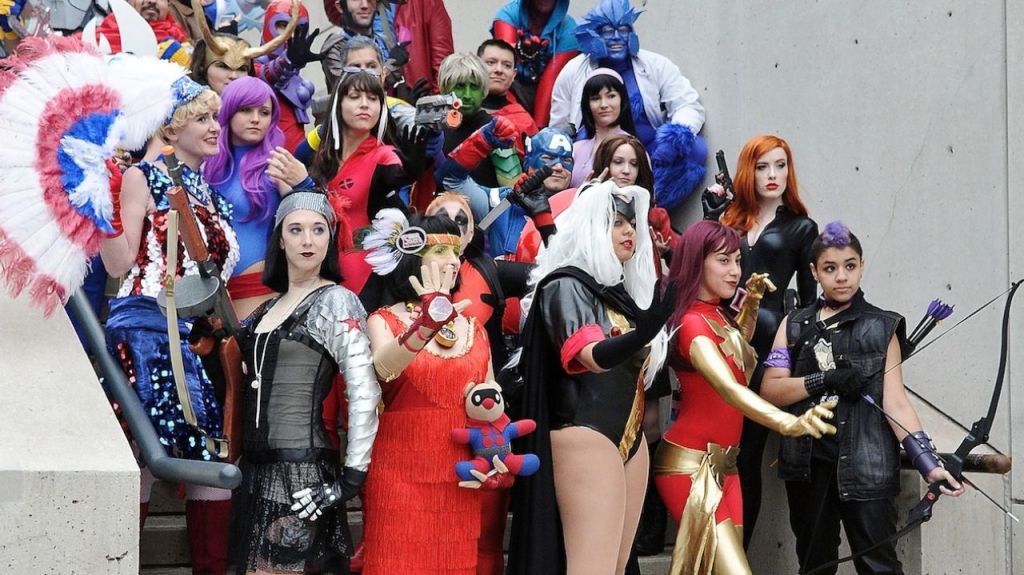
The Uses and Gratification theory in communications is all about how people use media, not how media impacts people. According to the theory we talked about in class and on the power point, people will use media to satisfy different needs: Cognitive needs, emotional needs, measuring oneself to others in society, social needs, and to free oneself from tension. Fans and fandoms are the most perfect example of this theory, especially when it comes to conventions like Comic Con and cosplay and fanfiction.
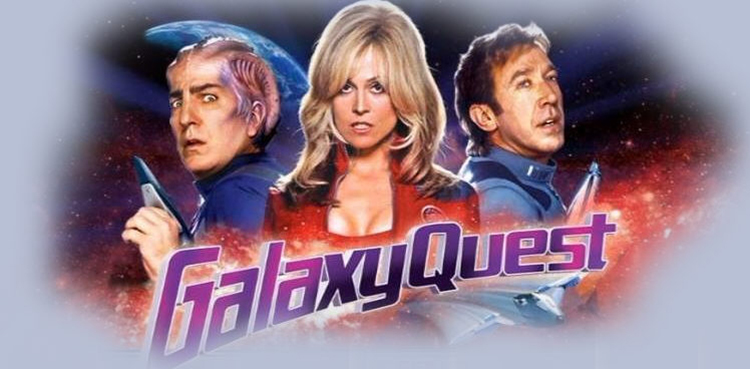
Fandoms can be a really powerful thing too. When there are a bunch of people interested in the same thing, there is not only a connection based on common interests, but sometimes that fandom can actually make an impact on the world. Although a fictional story, the movie, Galaxy Quest, shows the awesomeness of the fans becoming the heroes. The documentary, Never Surrender: A Galaxy Quest Documentary, talks about the making of Galaxy Quest to celebrate the fans of Star Trek. As said in the documentary about Galaxy Quest, “The fans made it real” and “Galaxy Quest is, without a doubt, the best Star Trek movie because it’s about what makes Star Trek special. It’s about the fans.”
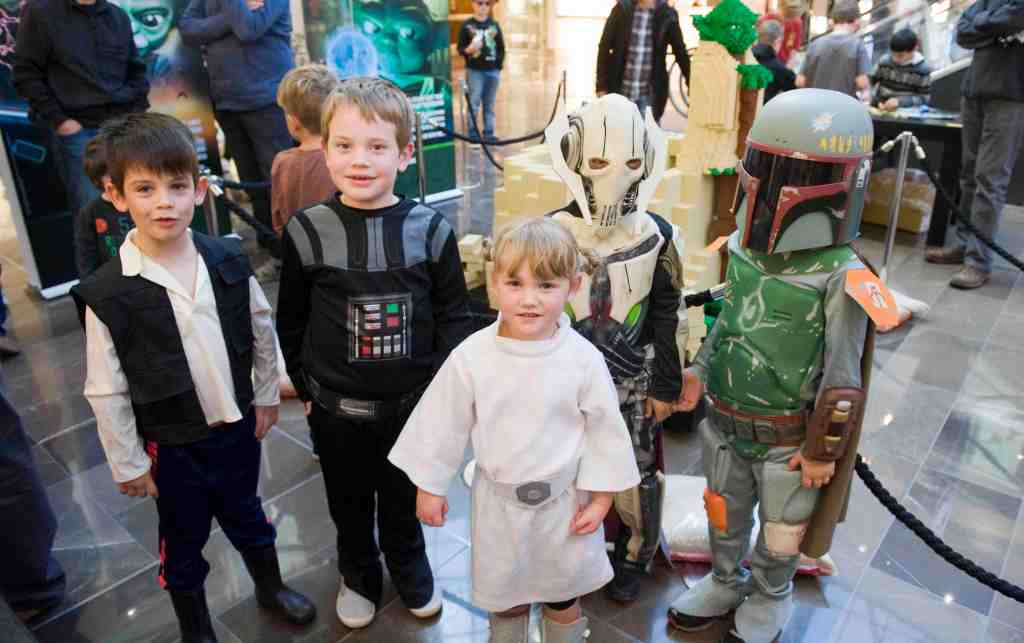
With that same idea, Mary Franklin talks about harnessing the power of fans to help one’s show in the Ted Talk, Fandom Force: Harness the Power of Audience. She says that the best thing one can do for his or her show is to know the fans, connect authentically to them, and to also ask them to participate. She is an avid fan of Star Wars, and she actually got a job working for Lucas Film because of her passion. She also talked about the creation of NY Comic Con and other Star Wars celebrations because of how involved and enthusiastic the fans were. Fandoms matter.
In the video, Participatory Culture by Henry Jenkins, he talks about people using their fandoms to make change in the world—even using their passions to, “geek out for democracy.” He specifically talks about the Harry Potter Alliance that fights for human rights around the world.
Fans do all sorts of things, but probably one of the coolest things is that do cosplay or they produce their own media after something they love. Will Wheaton, the creator of The Arrow and The Flash says in Never Surrender: A Galaxy Quest Documentary, that, “I have always felt that cosplay is the purest, most wonderful expression of love.” I’m a huge fan of the Marvel Universe, and my brother and I actually made all of our friends Infinity War costumes for a snow camp we went to with our youth group. It was awesome. We also used the costumes when we went to see Endgame.
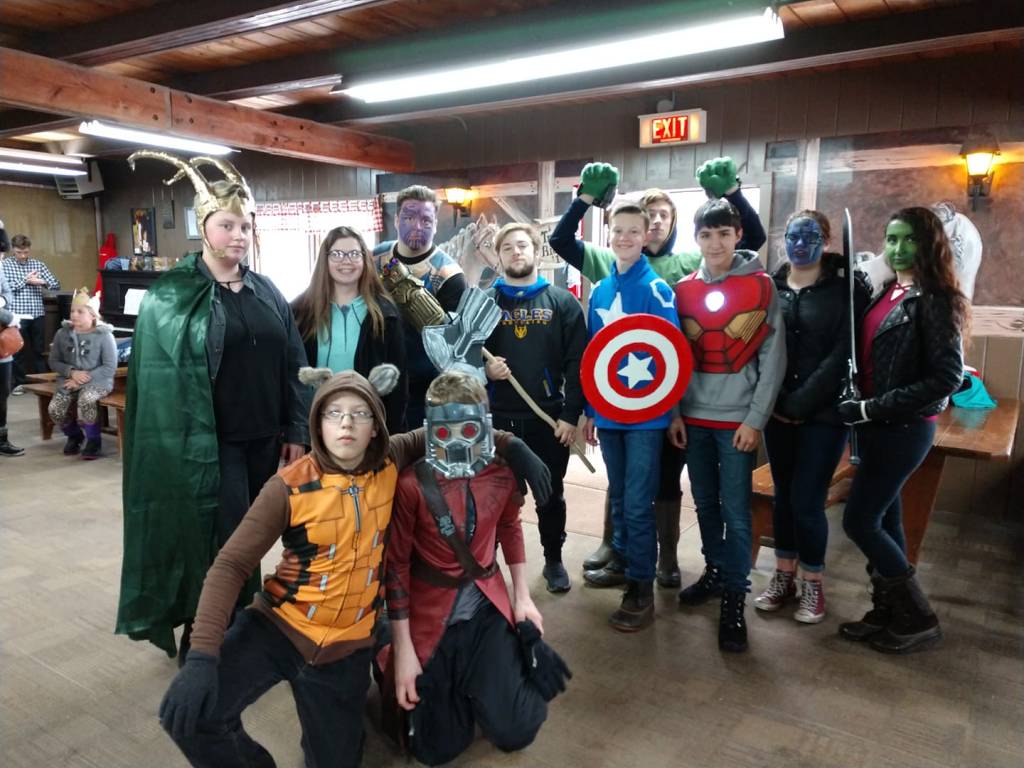
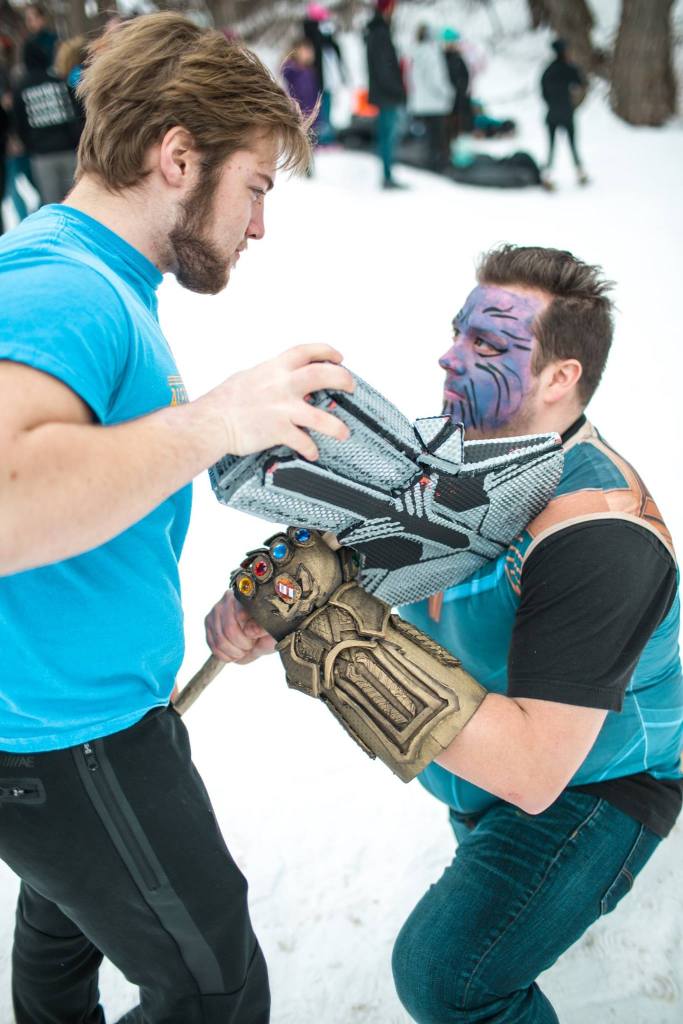

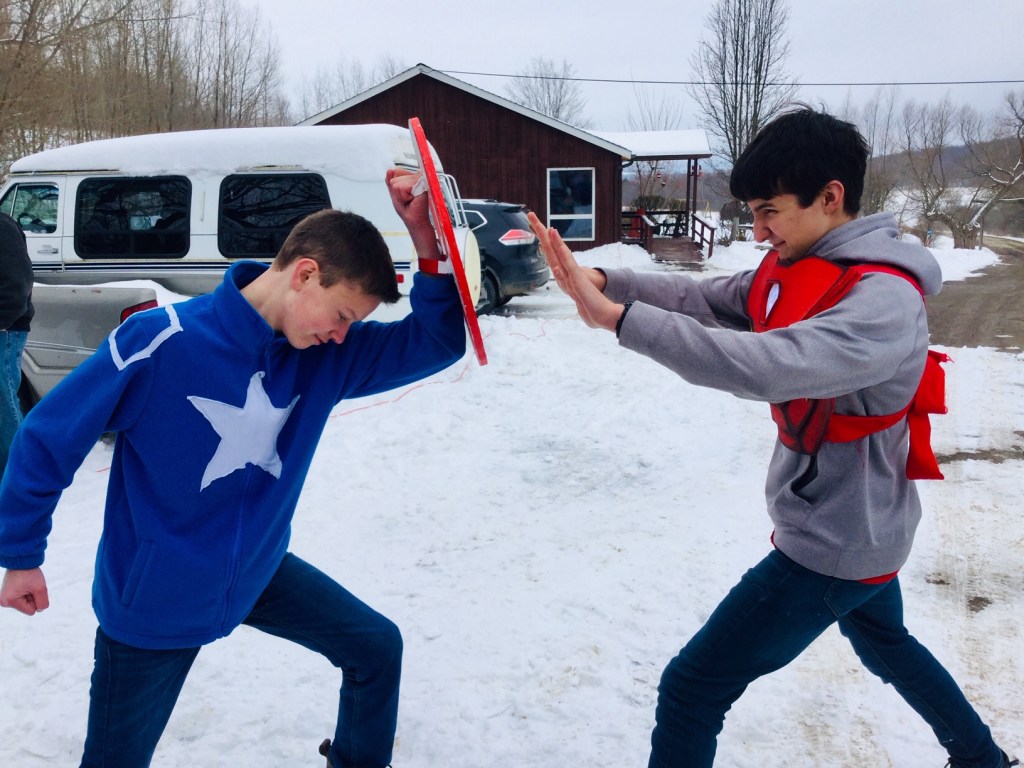
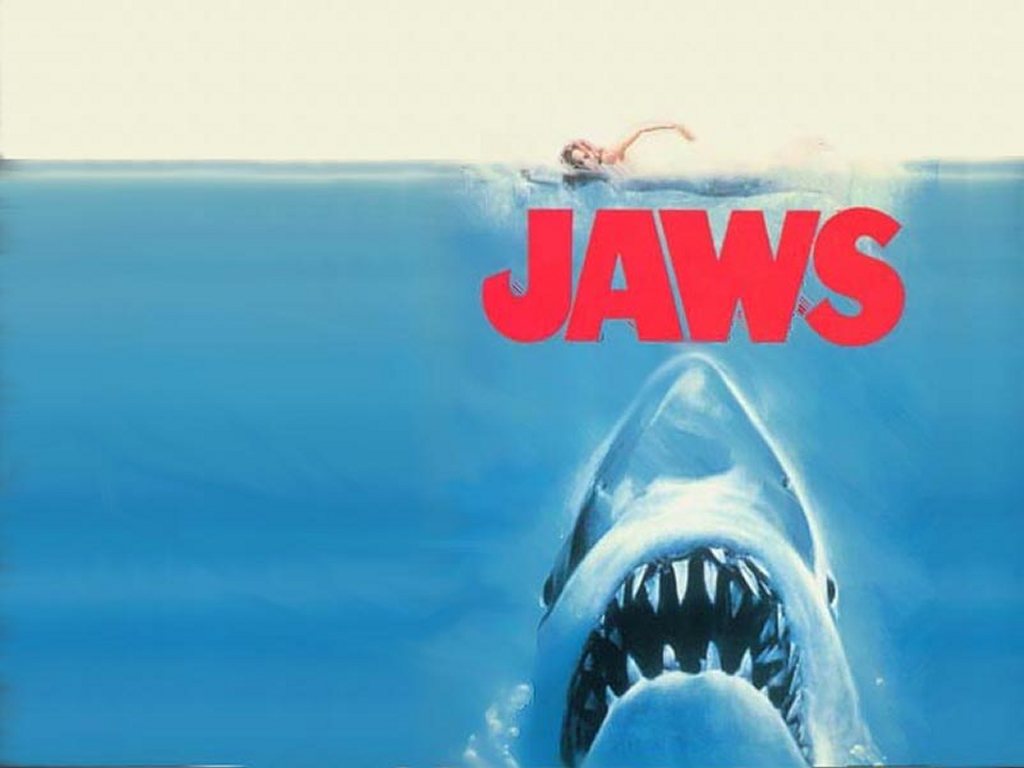
In addition, when it comes to fans producing their own media, just this summer was the 45th anniversary of Jaws, and there was even a Jaws WeMake 45th Anniversary Tribute to celebrate. The scenes that the fans redid, and how they did them, was hilarious.
What are you a fan of? How can you use your fandom to impact the world and connect with others? How is it that people can become so obsessed with fictional worlds and characters?
 Mass Media and American Life