
This week we cover mass media ethics. Media ethics covers many media standards, such as art, controversial topics, film, news, etc. But with the ever so changing society, our view on media standards changes with it. The Freedom of the Press has been available to journalists after the trial of Peter Zenger, but this didn’t mean it was journalism’s final battle with the government. In today’s media, the government has an invisible hand on what is release out to the public. Unknowingly, media outlets must choose to stay financially on the network or tell the truth. Surprisingly many news outlets pay for their television time through rating. The higher rating studio can provide incentives for more television time, staff, stories advertisement, and sponsorship. These sponsorships can be tricky as it creates gray areas to what the masses want to hear and what’s truly important.
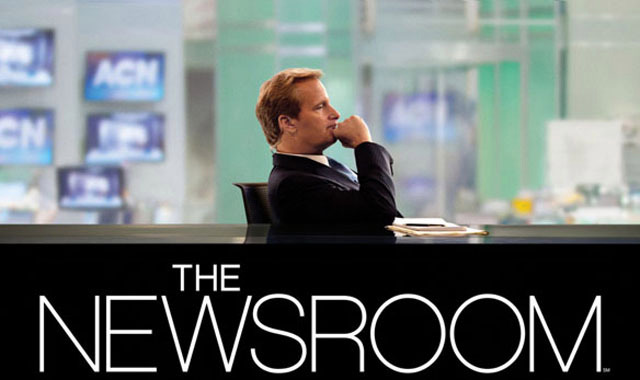
Given The Newsroom discusses this exact point. To start The Newsroom, a political drama was written by Aaron Sorkin and premiered on HBO on June 24, 2012. This show develops on the character of Will McAvoy, who is the news anchor and managing editor of the live show News Night. Throughout this pilot episode, we learn the challenges Will undergoes to recreate reliable reporting, and journalism is the storyline of The Newsroom.
As such, this shouldn’t be overlooked. As New station is fighting the clock to be the first to provide breaking news, it, in turn, creates shallow journalism. Simultaneously, there are more critical updates among our towns, cities, and districts that these networks weren’t covered.
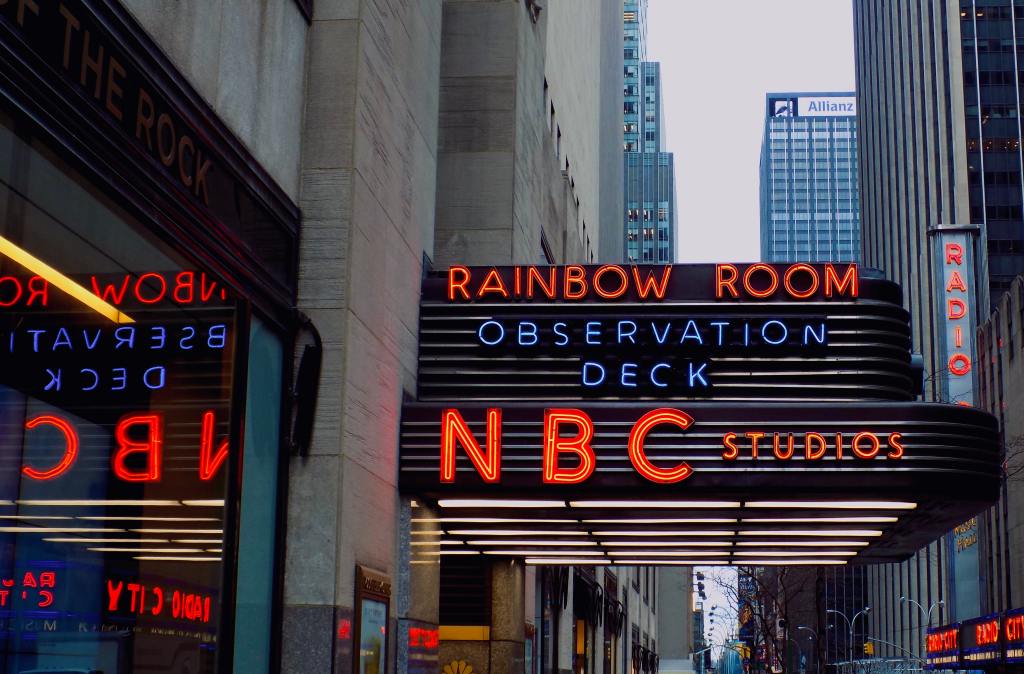
There’s plenty of time within my community that people reach out to these bring networks such as NBC, CBS, CNN, and Fox to cover news that pertains to the people. But what many of these networks are concerned with is not to create individual new but worldly information. However, many stations cover the same topic, “such as the election, America’s economy, politicians,” which goes on for hours.
This leaves me wondering how we can trust so-call reliable journalism when stations such as CNN, FOX, NBC, and many other stations are fighting the cloak to increase viewership?
As traditional television news coverage fades away, on-demand news begins to become more prevalent. Technologies have increased inaccessibility to information within this informative era, thus shifting viewers to desire on-demand outlets. “Increasingly, audiences want news on demand; they want to get news when they want it, and they want to be able to gather it from a variety of sources. This is having a significant effect on media revenues. News aggregators, websites like Yahoo! News and Google News that compile news headlines from an array of legacy news organizations to display on their pages, have become popular information outlets.” (Understanding Mass Media). Having on-demand access, I believe, gives more diversification to the network. While television broadcasters can be tracked for their repetitive nature, it remains to be slightly more difficult. Thus, on-demand news adds more articles, stories, and content that may or may have been covered during live primetime. It also provided an essential pressure on station to create content that meets the standards of quality news, or else many of their viewers will shift to another network.
My question to the reader: Is a News station for the people for propaganda?
 Mass Media and American Life
In general I wouldn’t go as far to say that the news station is for propaganda but rather for an agenda instead. Each news station is a business first. They prioritize staying afloat and making money above all else. So they put try and draw out each and every ounce of emotion out of you when you are watching the news so that you stay watching the news and stay opinionated. While they are reporting news stories that are very important, they are always putting a spin on it or omitting certain facts to help push their agenda.
LikeLike