
“Hey, Tom!” I yell up the stairs.
“What?!” my brother answers.
“Do you wanna record the podcast?”
“Yeah. Just give me a minute.”
“Okay,” I say. “I’ll be on the sofa.”
Conversations like this happen about every other week at my house. One autumn day when I was a senior in high school, my brother and I had just had a funny experience where I kept running into my friend, Ethan, and it looked like I was stalking him. As we started talking about other funny things that just seemed to happen to us, we decided it would be fun to do a weekly podcast where we told stories about what had happened in our lives over the week. One of our favorite comedians, John Branyan, does a podcast that we love, and we wanted it like his in that it was relaxed and like our listener was right there with us. The next step after deciding our content was figuring out a name for our podcast. We live in Almond, NY, and since our podcast was humor based, Two Nuts from Almond was born. Since then, we have had several of our friends on as guests and experimented with a few different topics, including the occasional movie review and giving relationship advice. We are not popular at all, but we mostly just do it for the fun of it and for our friends who like to listen to us.
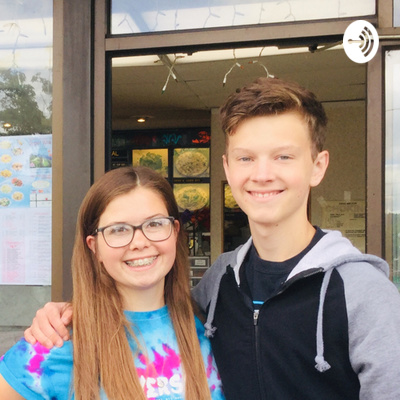
anchor.fm/Twonutsfromalmond/episodes/Red-Bull-and-Mother-Mary-efmkil(opens in a new tab)
Podcasting has become super popular over the past few years. Lots of people I know have their special podcasts that they listen to, and it is not uncommon to hear about various friends starting their own. In several ways, podcasting is similar to what radio used to be as they both use audio to connect to people. The textbook, Understanding Media and Culture, makes the point that though podcasts are downloaded and radio is streamed or broadcasted, there is a chance that radio will morph more and more into podcasting (299). To understand podcasting and where it may go, it helps to look at the beginnings of radio.
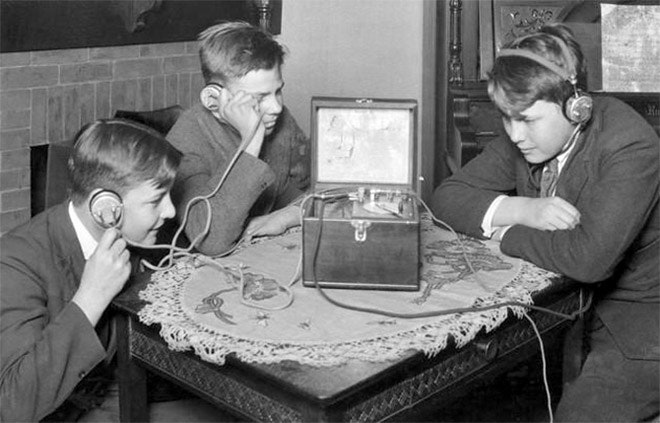
Like the craze of podcasting in the past few years, radio also experienced a craze when it first began. John Schneider says in his article, “Radio Broadcasting’s First Years—What Was It Like?” that at the beginning of 1922, there were 28 licensed broadcasting station in America, but that by the end of the year, there were 556 stations. As signals were established, almost anyone could have his own “radio show” if he had the radio equipment; churches, department stores, newspapers, universities, and corporations all began to experiment with various radio programs, much like the variety found in podcasts now (Schneider). There were broadcasts focused on things such as music, sermons, sports, or weather (Schneider). Radio broadcasting was eventually refined and organized into what it is today. Podcasting is becoming more organized than it was when it first started, but there will always be a certain level of spontaneity they can have that radio broadcasting cannot.
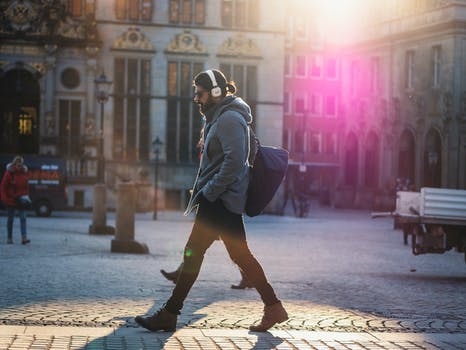
Adam Sternburgh in his article, “How Podcasts Learned to Speak,” makes the point that with podcasts, “There are no editors to convince, no producers to pitch, no green lights to be green-lit.” Anyone can have a specifically tailored podcast and he or she does not need the go ahead to do it. All one needs is a microphone and a way to get the content on the web. Sternburgh also makes the point that podcasts are able to connect in an intimate way with people that other media has not been able to do. Another plus that podcasts have over radio, is, as Sternburgh says, “podcasts introduced portability, accessibility, and a nearly endless selection of subjects on demand.” With radio, one only has the opportunity to listen to the broadcast once, but podcasts offer the flexibility of pausing and playing when convenient. Sternburgh sums it up best why people love podcasts so much when he says that, “Podcasts appeal to the twin modern manias for constant enrichment and constant escape. Despite their low-tech origins, we should never have been surprised at podcasts’ modern allure.”
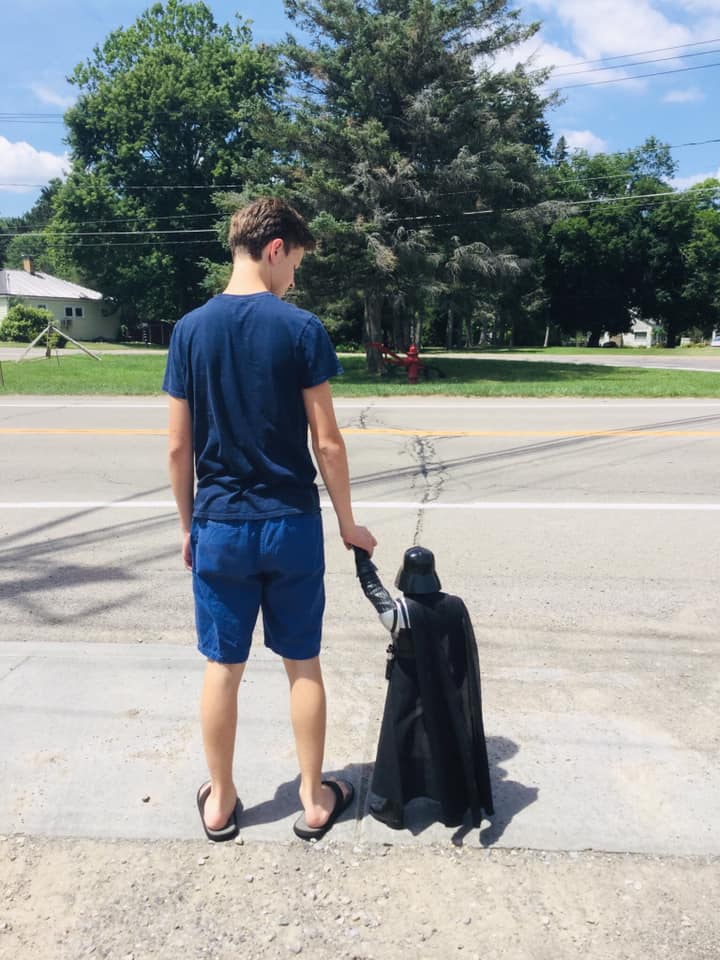
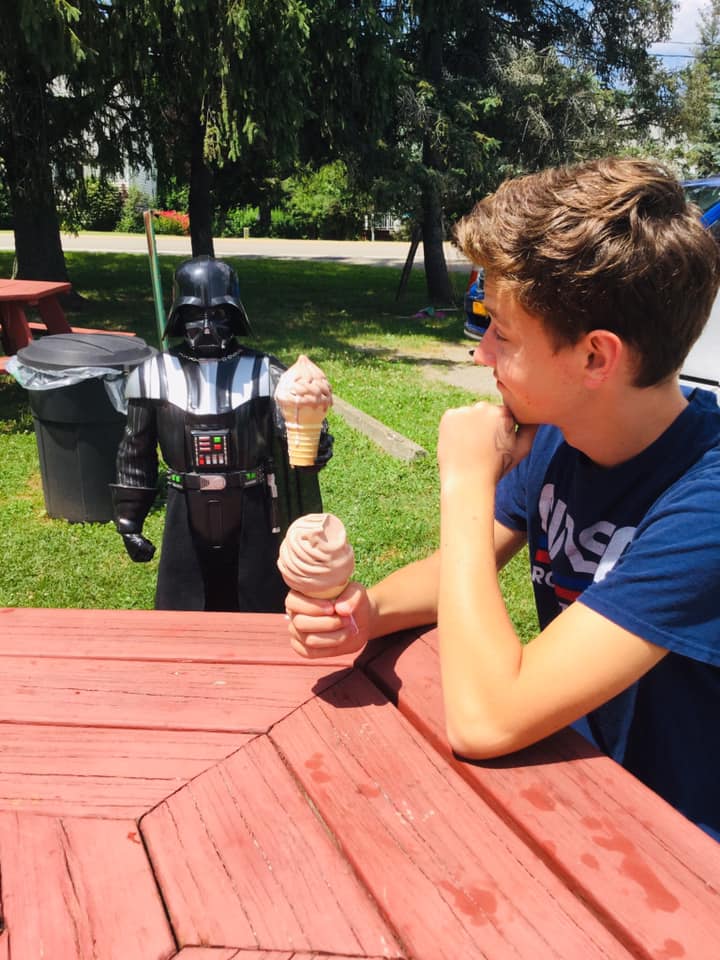
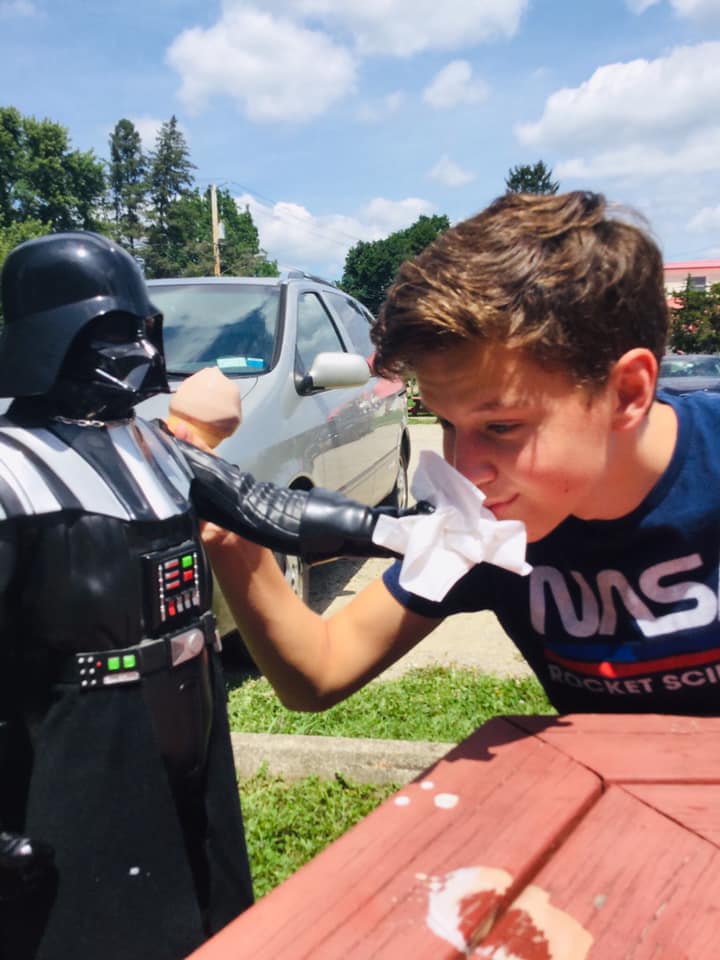
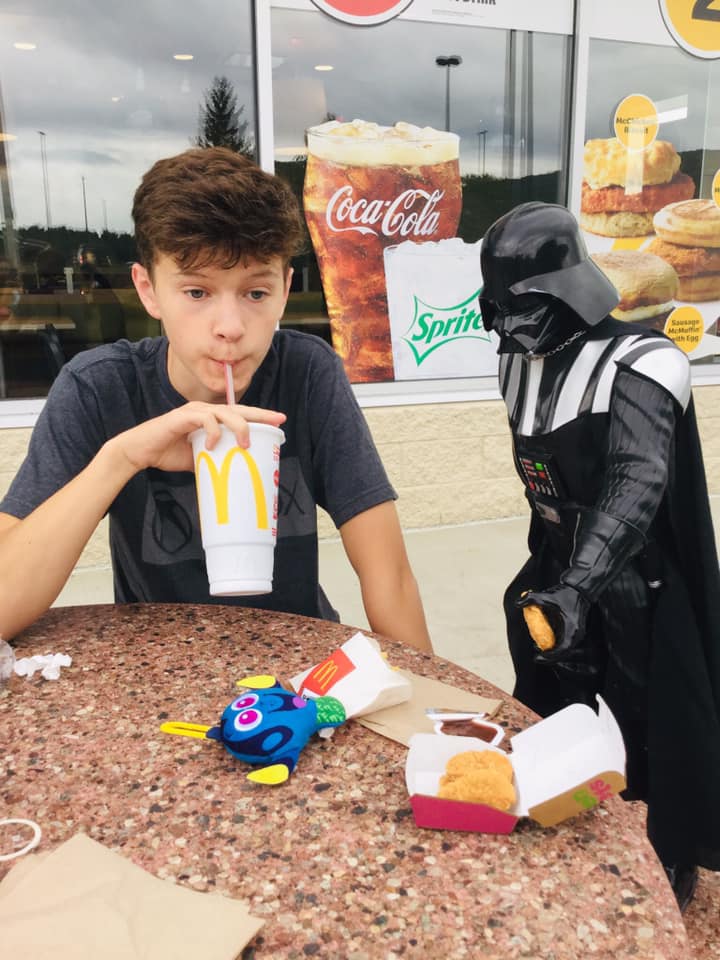
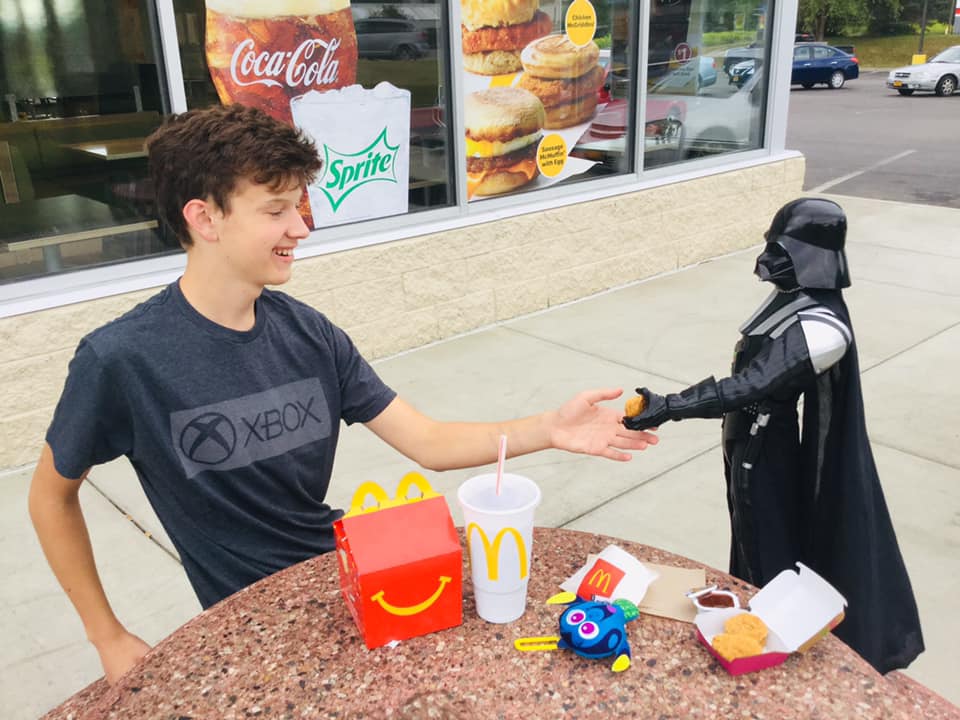
Both of these points about podcasts make sense, and if they are true, then it would also be true that podcasts have great power to impact people’s lives. I have been able to experience this in a small way through mine and my brother’s podcast, Two Nuts from Almond. Not many people listen to us, but those who do have told us that they really look forward to the weekly episode. Last March my brother and I were in the musical, Music Man, and it became the thing for the cast to talk about the latest Two Nuts episode. Our friends in the cast also inspired us to make merch for the podcast, so we now have the official Two Nuts from Almond anklet. We have also had several of our friends on the podcast to tell their own funny stories, and last Christmas we did an episode where we had almost everyone who had been on the podcast in the past year, come on again and share their favorite Christmas memory. We have also done some podcast “extras” for our friends to encourage people to listen to the podcast, including making funny videos and taking pictures with Tom’s toddler-sized Darth Vader.

Podcasting is fun, easy, impactful, and may be at least part of the future of radio. Anyone with access to a mic can easily start their own, and one can find a podcast about anything imaginable. Two Nuts from Almond has been one of the coolest things I have done with my brother, and through my own limited experience with podcasting, I would not be surprised if it continues to dominate the audio market.
Works Cited
Schneider, John. “Radio Broadcasting’s First Years–What Was It like?” The Radio Historian, John F. Schneider & Associates, LLC, 2020, www.theradiohistorian.org/first_radio/first_radio.html.
Sternburgh, Adam. “How Podcasts Learned to Speak.” Vulture, New York Magazine, 18 March. 2019, http://www.vulture.com/2019/03/the-great-podcast-rush.html.
Understanding Media and Culture: An Introduction to Mass Communication. E-book,
University of Minnesota Libraries, 2016
 Mass Media and American Life