
Since the beginning of the media, parents have worried about the amount of violence present on television. Worried if their younger children are becoming brainwashed, George Gerbner, in his research, analyzes how watching violence can desensitize us to everyday violence. This desensitization from reality makes younger children unaware of the emotional fear and mental, sensory others experience when in violent situations. In this week’s screening, “Mean World Syndrome,” George Gerbner took three groups of television watchers ranging by the amount of time spent watching. Categorizing them into three groups from A two hours and less, B two to four hours, and C fours and more; he found that people who were heavily consumed by television lose sight of reality. Group C notes their perception of mass media influences their views on society and enforces their violent thought. Nonetheless, these heavy watchers are affected in the long run as this television watcher culture can be manipulated and capitalized for the worst.
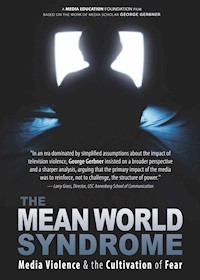
Throughout Gerbner’s research, I wondered how available Gerbner’s analysis is and how substantial television stations may take advantage of this culture. As we see today, media coverage runs a fine line of “fake or biased” news. For a long time in African American history, we have seen how movies, televisions shows, play, and songs have painted this group in a terrible light. Enforcing a narrative that Black males steal, are thugs, have drugs, or gang-affiliated. These narratives are distasteful as they create pre-notion and false judgment on a group other may have no real understanding about. Thus this group has been criminalized, underrepresented, and even worst, killed. Media has forced other judges to approved society’s hateful action, in turn, implementing Gerbner’s research that media can consume your perception.
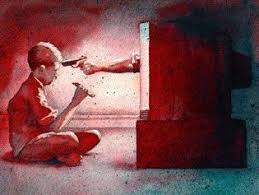
While violence is a primary concern many parents have with media consumption, many other psychological ensure that shows have mass media effects on the mind. For instance, it is a sort of gratification present when a majority of people share the same ideas as one may. Psychologically a person may protect their ideology by not engaging with others who may oppose these views.
Proretaining to today’s culture shock of covid-19, political, racial, and social climate media has been a crucial factor influencing many of our human behavior. News stations such as CNN, NBC, FOX, PBS, and the local station has been many of our connection to the outside world while we are stuck inside. While these stations may state their credit, these stations remain opinion-driven and can give the view an abstract message. Their perspective on specific topics leaves viewers feeling one way or another, thus dividing our nation and creating tension between these two opposite groups. As we remain indoors for the rest of our days, I can only worry about how much influence media outlets have on our minds. We are now puppets on what we have seen, so who knows how long society can last with misinformation.
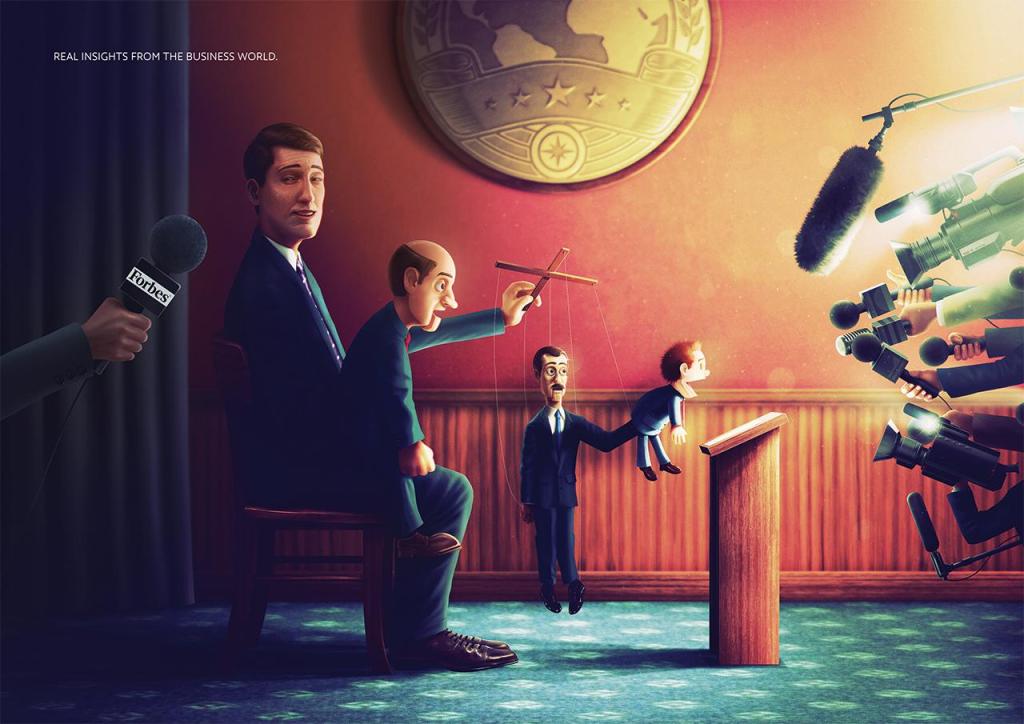
A question to the reader: How has misinformation shape your view on society?
 Mass Media and American Life
Great blog! I think that misinformation effects our society in many ways. We hear multiple opinions and believe they are facts. Much of this information is misleading to people and can change their beliefs.
LikeLike
With most information that I read on social media unless I know it is a trusted source I tend to look into the information to make sure it is true before I believe it. When it comes to social media it is very easy to tell what is false and true and I will always look into it more if not sure.
LikeLike