

As I fight the urge to click on Netflix for the third time today, I noticed a new film was out called “Cuties.” Directed by Maïmouna Doucouré, Cutie is a coming-of-age drama film that stars a dance crew of young girls whose strict Senegalese family’s tradition has resulted in their rebellion to express themselves. Nonetheless, in these recent days, Netflix has been experiencing enormous backlash on this movie as it is rated TV-MA, and critiques believe it is illuminated child-pornography and sexualize manners. First, and for most, TV-MA is ranked as a mature adult audience. Intending that this program is for a mature audience and contains content that may be “unsuitable for a child under 17.” As the controversy leading with this film began to grow, I can only wonder who rates our movies.
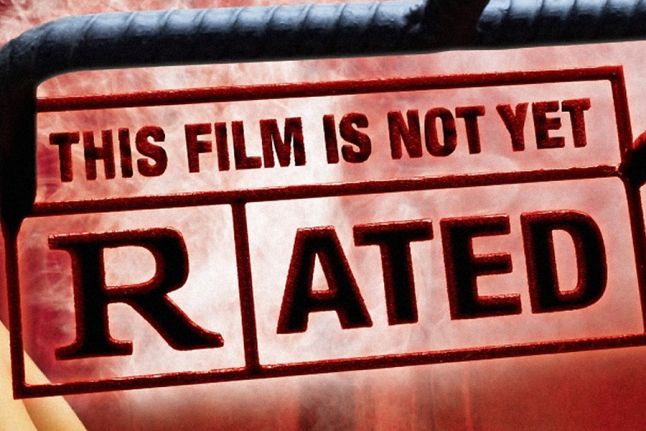
In this week’s screening, we uncover the secret world of the individuals who governor what the world consumes. “This Film is Not Yet Rated” is a documentary directed by Kirby Dick’s that examines the “standards and methods the Motion Picture Association of America (MPAA) uses to rate movies.” The MPAA “was established in 1922 by the major Hollywood production studios in response to increasing government censorship of films, which arose in turn from a general public outcry against both indecency on the screen and various scandals involving motion-picture celebrities.” (Britannica.com) The MPAA, which was seen in “This Film is Not Yet Rated,” is sought as a secret world of people whole watch and rate movies. These individuals aren’t disclosed, which the MPAA director states for their protection. By protecting the boards and raters, identity ensures that they are threatened or persuaded to rate the movie favors.

However, with this organization’s secrecy, I can only wonder the negative effect of hiding the board’s identity can have on their reputation and alliances. In the film, MPAA was sought to favor larger production studios such as Paramount, Universal, Sony Pictures, etc. After providing the rating for these huge production studios and independent film, it was recorded that the MPAA director shouldn’t provide information on the parts of the film that was out of appropriate guidelines but provided information to largest studios.
“Lacking the finan-cial resources and contract talent to mass-produce movies for a declining market they no longer controlled, the studios now relied on independent producers to supply “packaged” projects that the studios would “green light” for production, putting up some portion of the budget in exchange for the distribution rights, and often leasing out their production facilities as well. This meant ceding creative control to independent producers and freelance directors, and also to top stars whose “marquee value” gave them tremendous leverage and frequently a share of the profits.” ( The structure of the industry)
While most of the board is still in secrecy, many questions remain about who and why people such as MPAA dare to become the “all-might decider” if a movie should be funded for distribution into a movie theatre. Thus, Netflix movies like “Cuties” that claim ratings such as TV-MA, which who knows may have been rated differently if it wasn’t under Netflix.
My question to the reader: IS NC 17 (No children Under 17) worse than R (Restricted audience)?
https://www.britannica.com/topic/Motion-Picture-Association-of-America
 Mass Media and American Life
I like how you related the odd rating methods to seeing the suggested movie on Netflix about child dancers being rating as ‘mature’ and not suitable to anyone being under 17. This draws strange parallels to the way in which the movie was decidedly rated as it is about children but not suitable for most teenagers to watch.
LikeLike
I feel your question was a really good question. When looking at the difference in movies I feel there is little to no difference in the ratings. I feel ratings are so deceptive when it comes to the ratings. Some movies you might feel they should been rated higher or lower but that all changes on your opinion. Some 17 year old might be more mature than others and that’s all based on past experience and their environment and I feel that is some of the issue with ratings.
LikeLike