
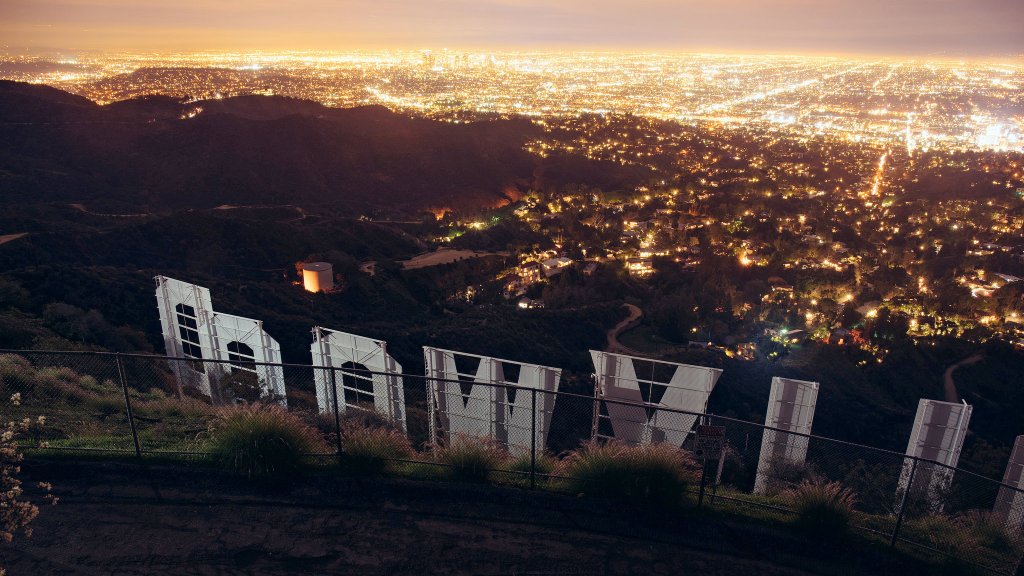
As motion pictures and the movie industry moved away from the classic age of Hollywood with the Paramount decision, independent filmmakers were given a chance to show what they had. Schatz talks about this new development in his article, “The Studio System and Conglomerate Hollywood,” when he writes that this new era was a mix between big-studio blockbuster films and independent films (31-32). The independent films took off in popularity, and many big studios ended up sponsoring independent films (Schatz 32-33).
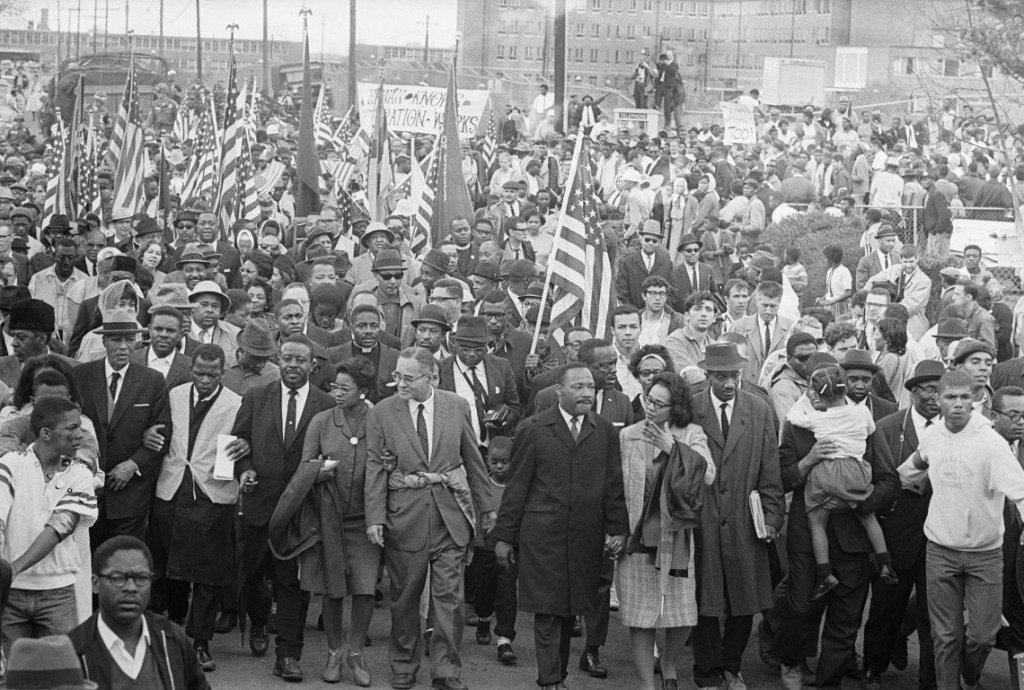
One of the most interesting changes to how movies were made is that they no longer presented perfect people with perfect hair and perfect lives. The documentary, A Decade Under the Influence Part One: Influences and Independents, talked about this new age of Hollywood. People wanted to see films that related to the issues of the day. They did not want perfection. The documentary says that this mentality came from all of the revolutions going on in the 60s. There was a change in style of movies, and as was said in the documentary, “This world was new and open and anything was possible.”
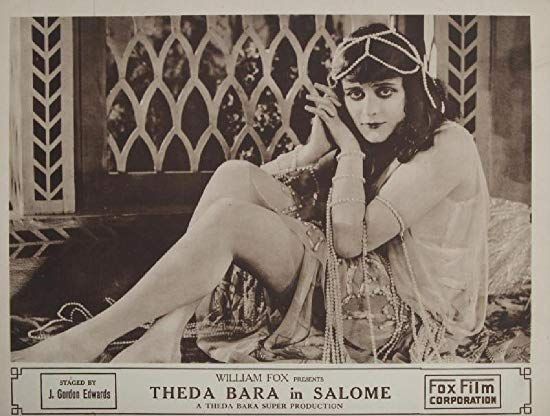
Also discussed in A Decade Under the Influence was the increase of independent films and the addition of more and more sexual scenes that were accepted in movies. The documentary, Why Be Good? talks about the beginning of sexual scenes in movies and the censorship that accompanied it. Jeanine Basinger says in the documentary that when these kinds of scenes started appearing in the early 1900s that they brought up the issue of, “what’s appropriate for people to see…so censorship immediately emerged as a key issue linked directly to the medium of film.” Film was a new thing, so it was a controversial issue about what was okay to be in a film and what was going too far.
The documentary, This Film is Not Yet Rated, picks up this idea in the modern realm as it discusses the MPAA and the ratings that it gives to movies. The movies with the most inappropriate material is given the dreaded rating of NC-17, which the documentary says is the equivalent of an X rating. This Film is Not Yet Rated was very insightful. The rating that producers get for their movies impacts their ability to market their films, and if they do not accept the rating that the MPAA gives, then their movie will not be able to be played in a theater, and it will be very hard to get people to buy it. One of the most controversial aspects of the MPAA is that the identities of the raters of the movies are kept secret. This makes sense to some degree for protection purposes, but the producers in the documentary point out that it does not seem fair for their movie to be turned down by a group of people that no one knows who they are.
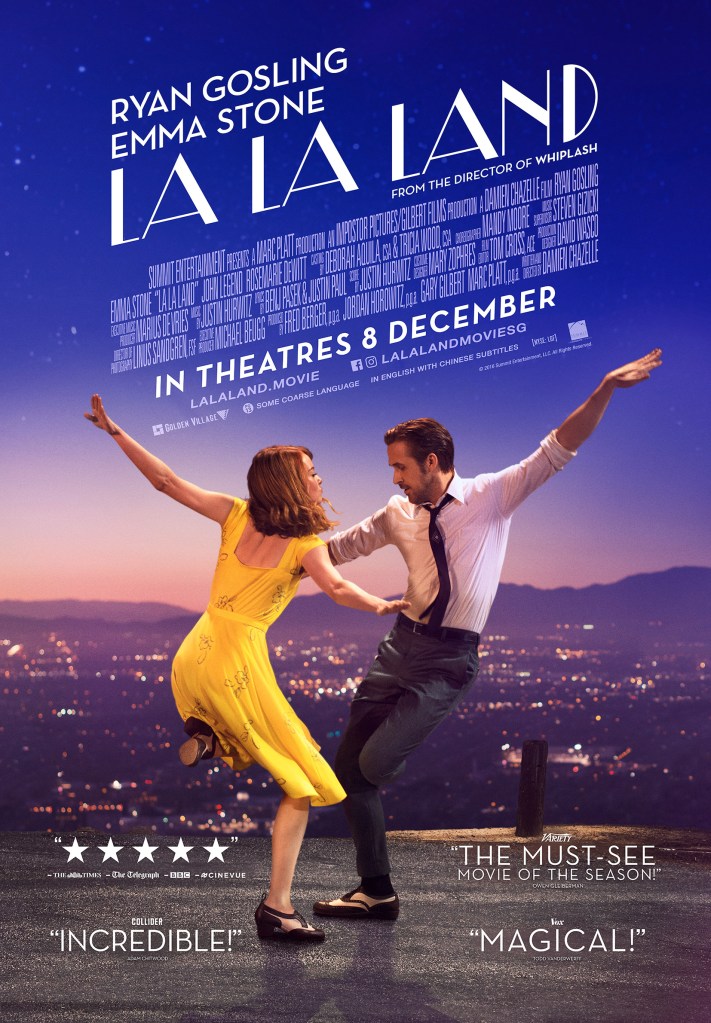
Even with a rating system preventing which films are marketed, motion pictures have come a long way from the early 1900s. Is this influx of independent films a good thing? Have certain films become too progressive? Do films influence the culture more or does the culture influence films more? Should films be rated by an unrelated person to the film and should the raters of the MPAA be anonymous? These are all questions one must ask to dive deeper into the world of motion pictures.
 Mass Media and American Life
This is a good summary of are assignment. The author did a good job of explaining each movie that was assigned. Good job with visuals.
LikeLike