
The general theme of this week’s readings was independence: from the wild, crazy, and sexually loose movies of the 1920’s to the censored movies by the Motion Pictures Association of America (MPAA). During this period movies went from big studio motion pictures to independant art movies. The 20’s also had their period of censorship with the enactment of the Motion Picture Code and the formation of the independent United Artist by Charlie Chaplin, Mary Pickford, Douglas Fairbanks and D.W. Griffith.

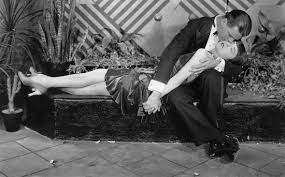
Though I am familiar with the silent films of the 1920’s, including those of Chaplin, Keaton and Lloyd, I did not realize that there were movies produced during that period that were sexually suggestive. In ” Why Be Good” they discuss the careers of Louise, Brooks, Greta Garbo, Clara Bow, Mae West, Gloria Swanson, and Norma Shearer. So wild were these pictures that the industry felt that they had to establish their own code to create standards for how sex was portrayed on the screen.
In discussing the “Two Hollywood’s” in our reading, “The Structure of New Hollywood,” it’s clear that the fault lines developed during the 1920’s with the perceived need for independence and the growing star system that allowed actors the freedom to set their own rules. That start system continued in the 1970’s and 1980’s with directors such as Stephen Spielberg forming Amblin Entertainment and later DreamWorks and forming alliances with Universal pictures and successful films like Steven Soderbergh’s “sex lies and videotape” that the lines were blurred between money making highly profitable independent films from small studios and blockbuster movies with blockbuster budgets. Spielberg could make the blockbuster “Jurassic Park” and small picture “Schindler’s List,” win Oscars and be highly profitable.
During the 1970’s the MPAA took hold of the movie industry. In “This Film Is Not Yet Rated” It talks about the different ratings there are in the movie industry as well as the breakdown of how certain films are rated. In this film private investigators were hired to go around Los Angeles and get names of the raters who were secret and find out who they are, their marriage status and number and age of children. Each of the raters would represent a type of individual, for example, they may have young children or they may be middle age and may be single. There was one individual who was representing a woman with children but it turned out that her children were in their twenties. The film also discussed the process of appeal of a rating. One of the points that was made of the rating board was that it was more concerned with sex than with violence. In fact, violence without blood was perfectly fine. One of the person’s interviewed made the point that violence with blood should receive a lower rating since it would discourage young people from being violent. Rather, the opposite is the case with the more blood the higher the rating. In Europe violence gets a higher rating over sex.

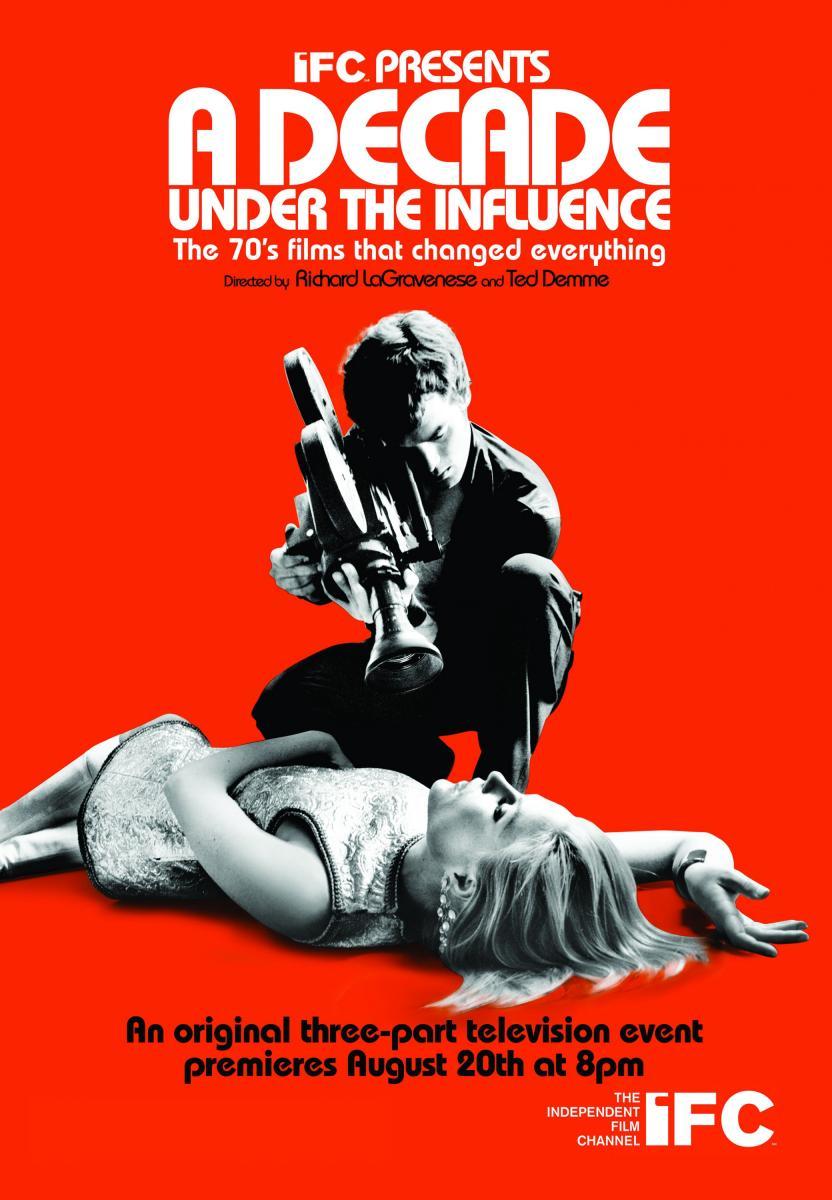
” A Decade Under The Influence” tackles the emergences and the development of the independent film industry. As Julie Christie says in the film ” The roots of independent films started in England” in the early 1960″s with filmmakers like: Lindsay Anderson and Tony Richardson. In the U.S. it began with filmmakers like Dennis Hopper (“Easy Rider”) and Roger Corman. In France there was Jean-Luc Godard and Francois Truffaut. In Italy there was Roberto Rossellini Michelangelo Antonioni, Vittorio de Sica, Luchino Visconti and Federico Fellini. In Japan there was Akira Kurosawa. All of these individuals and many more had lasting influences on independent cinema.
Our reading ends with a short discussion of the convergence of old media and new media. With the internet, the entertainment landscape is being rapidly transformed with new media powerhouses like Google, YouTube and, though they don’t mention it, Netflix. But that’s a chapter we’ve already discussed.
 Mass Media and American Life
I think that identifying the theme of independence within this week’s screenings was dead on. What should people be allowed to watch? What should producers be able to make? I did not realize that there were such sexually suggestive movies in the 20s either, but it makes sense as to why we now have the MPAA. I also thought it was interesting how violence gets a higher rating in Europe over sex. From other trends in the U.S. following Europe’s trends, I would not be surprised if movies in the U.S. were rated similarly to those in Europe in a few years.
LikeLike
I definitley agree with you when saying the MPAA took hold of the Movie industry. They were able to take control and work themselves into a huge factor in the industry
LikeLike