
Why Be Good highlighted the 1920’s during a period when people were coming out of the Victorian era and people were introduced to film and cinema and began to wonder, ‘what is appropriate?’ It was a time of social, military, and artistic advancement. At the time, many churches frowned on theatricals as being worldly. Women actresses like Mary Pickford offered a fresh, honest approach to acting. She was a nude actress but did not do anything she did not feel like doing. She was also the most beloved female movie star and for a time, the most powerful woman in Hollywood. She wielded great influence on the studios and her audiences. Women would see the elaborate outfits she was wearing, and she became a fashion symbol.
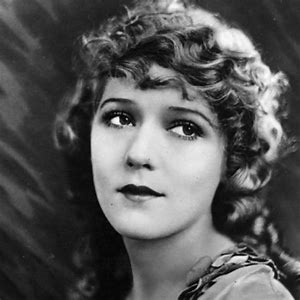
It was the era of the flapper, a whole new revolution for women. It was considered art to see a women nude. Actresses like Clara Bow and Louise Brooks helped usher us out of the Victorian Era and for the first time, viewers were seeing emotions and sexuality on film. Soon, the studio conglomerates began to realize the effect these actors had on the public and their persona. The artists were living in a time when sexuality was being revolutionized and filmmakers were testing out the boundaries of film by portraying women nude and in a more natural. It was a time of celebration and though women were being celebrated on screen, the studios expected them to maintain a “clean persona” off screen and above all else to stay out of the papers.

Eventually, the studios would try to constrict what the actors/actresses did on their own time because they did not want a scandal in the newspapers. Anything goes on screen they said. The studios were fine if the actor/actresses were bringing in the money. This seemed like the studios owned the actresses and some of them rebelled. Mary Pickford, along with Douglas Fairbanks, Gloria Swanson formed the United Artists, or UA to have total creative and financial control over their movies. In 1934, the Production Code Administration was established and required films to obtain approval before released.
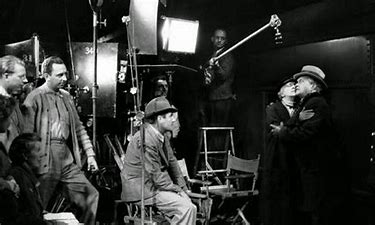
“A filmmaker does not want censorship. A filmmaker wants to be free to tell a certain kind of story and to make the films they want to make.” – from Why Be Good
Within a span of 35 years, rapid change of what is created on screen, censorship, and what is viewed on screen transformed. In 1968, the film industry set up a censoring rating system, categorized by the Ratings Board. Basically, a bunch of people whose identities are unknown who decide what is morally ethical and what is not and therefore should be censored. It was total genius that in This Film Is Not Yet Rated Kirby Dick, Filmmaker and Interviewer hired a Private Investigator to find out who the members of the Ratings Board were. Jack Valenti oversaw the board until Dan Glickman took over in 2005. Most of the members were married and parents and were trying to assign ratings to films that they considered unsuitable or that have nudity and violence. They most harshly rated being nudity. Violence seems to not be a real issue to them. Who gives THEM the right to determine what we can or cannot watch?
The ratings include:
NC – 17 – No children 17 or under
R – Restricted, no children under 12
PG-13 – Parents are strongly cautioned
PG – Parental Guidance suggested
G – General Audiences
The problem I have with the Rating system and the Board Members is like Kimberly Pierce, Director of “Boys Don’t Cry” verbalized, who gives them the right to decide what is morally right?” Adding to that, to prevent a filmmaker from being able to market their own film without constraints? Personally, I feel like violence should be more censored than sexuality. The ratings board should not be a private organization, it should be public, and they should only serve for a period of time. I think that people should have the right to decide for themselves and artists should have more freedom to create their movies.
Question: Do you think that the current movie ratings system is working? What do you like about it or what would you change?
Works Cited:
This Film is Not Yet Rated:
Why Be Good?
A Decade Under the Influence (Part 1):
https://vimeo.com/152813864
 Mass Media and American Life
I think that the ratings system is interesting and I had honestly not given it much thought until watching the documentary about it. I think that it makes sense for there to be a rating system, and I think that for the most part it is working. It is at least helping people to have a general idea of the content of a particular movie. I certainly do not want to sit down to a movie and not know there are going to be five different sex scenes in it. I agree that certain violent actions could be rated higher than they actually are and that members on the MPAA board should serve only if they have children in the 2-17 age range.
LikeLike
Very nice blog discussing the role of sex in the movies through the ages. One nit is Gloria Swanson did not form the United Artist. Other than that good job.
LikeLike