
There is nothing quite like going to the theater with a bunch of friends—popcorn, coke, and Sour Patch Kids in hand—sitting down in a red cushy seat and facing a screen that covers an entire wall. Movies are unique and have impacted hundreds of people and become a huge part of the American culture especially. While motion pictures are still impactful today, they were even more impactful as the technology to make movies came to be in the late 1800s and early 1900s. Motion picture giants like MGM, Fox, and Paramount, led the way into this motion picture era, and as Patrick Stewart said in the documentary about MGM, When the Lion Roars, “The dreams they dared to dream really did come true.”
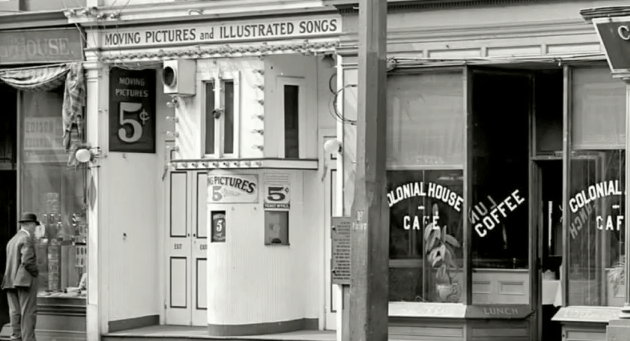
Understanding Media and Culture talks about Thomas Edison and his invention of the kinetoscope, which allowed single viewers to watch short reels of film that made little, mini movies (306). As the technology developed, so did the creativity for the use of the technology, and as the success of films grew among the people, it “paved the way for the growth of the film industry, as investors, recognizing the motion picture’s great moneymaking potential, began opening the first permanent film theaters around the country. Known as nickelodeons because of their 5 cent admission charge…” (Understanding Media and Culture 310). People were loving these motion pictures, and producers found a way to make them longer by gluing reels together (Understanding Media and Culture 311). With the potential to make full length films, companies teamed together and Hollywood was born.
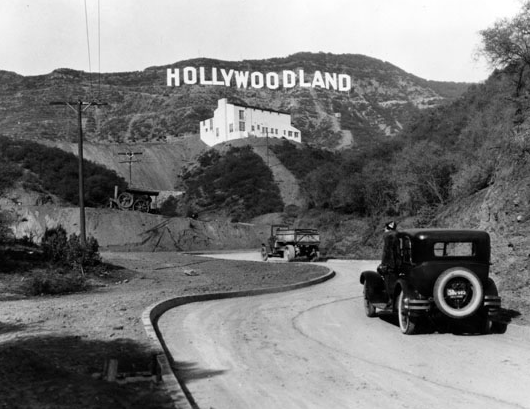
“The Studio System and Conglomerate Hollywood” by Tom Schatz talks about concept known as “vertical integration,” and the “Big Five” studios, MGM, Fox, Paramount, RKO, and Warner Bros, who were made of trifectas of companies who could produce, distribute, and exhibit their motion pictures, allowing the movie business to grow exponentially (15). This studio system flourished until 1948 when the Supreme Court ruled in the Paramount decision that the Big Five studios had to sell their theaters to break up the monopoly they held (Schatz 16). Those companies did some pretty big things before they had to downsize and decrease their production however.
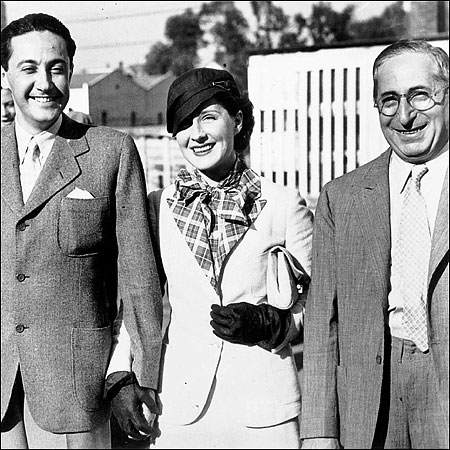
The MGM documentary, When The Lion Roars, hosted by Patrick Stewart, goes into the incredible history of MGM studios. The actress, Helen Hayes says about MGM that, “It was the great film studio of the world. Not just of America or Hollywood, but of the world.” MGM, or Metro-Goldwyn-Mayer, was a vertically integrated studio that did things no motion picture studio had done or ever will do again due to the Paramount decision. The documentary says that MGM made the goal to produce one feature film a week, with a total of fifty-two films a year. Louis B. Mayer and Irving Thalberg, the producers of MGM, did their best to fulfill this goal, literally making people into stars so they could act in the films happening each week. The icon of MGM, the roaring lion, represented the strength, grace, and power of the company well.
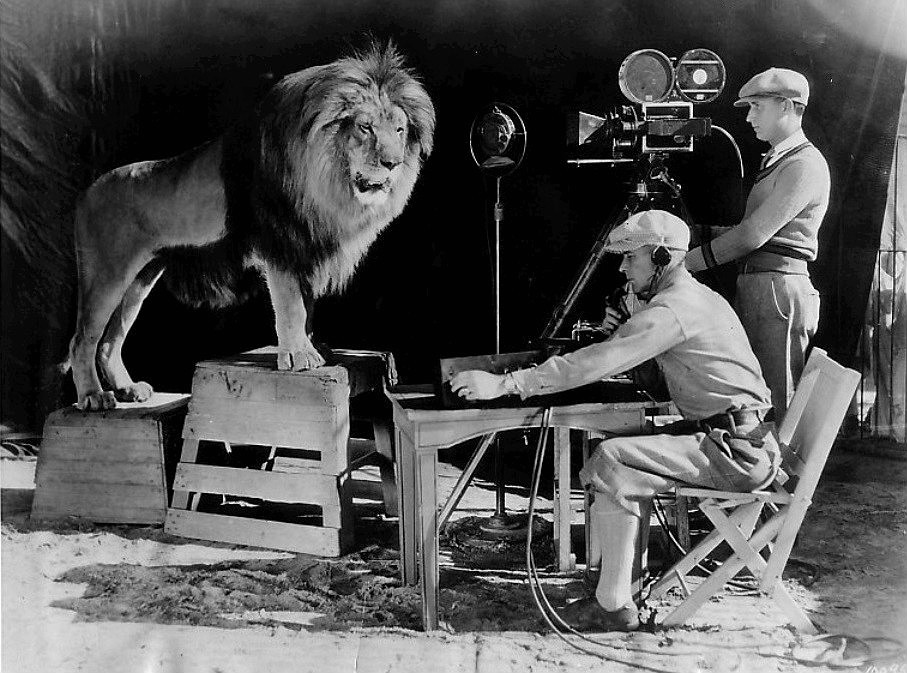
The question is, should the Paramount decision have been made? What might MGM have done in the 2000s if they had not been stopped in 1948? Though motion pictures and motion picture companies will never be quite the same as they were in the golden years, sometimes as you sink into your seat at the theater and stuff a handful of popcorn in your mouth, you can still hear, the roar of the past.
 Mass Media and American Life
This author did an excellent job of capturing the early history and the magic of cinema.It’s clear that this writer loves the movie theater and it carries over in this blog.
LikeLike