
Mark Zuckerberg had a vision of connecting the whole world. I believe that he had a genuine naïve desire to bring people closer together when we started Facebook. He wanted to make the world a better place. Facebook has over 2 billion users every month and has brought about historic change in politics and privacy. In the Frontline documentary, The Facebook Dilemma Part 1, Tim Sparapai, Facebook Director of Public Police 2009-2011 says that Facebook is the “greatest experiment in free speech in human history.” Everyone focused on the newsfeed, which is like everyone’s personalized newspaper, but it is driven by algorithms in order to produce content that you most want to see.
In addition, the creation of the “Like” button in 2009 was designed to “keep you scrolling” while collecting vast amounts of personal data. Solero Cuero, Facebook Product Designer 2005-2011 describes the Like button like a “flywheel of engagement.” It allowed them to understand people and businesses that are important to the people. But existing laws did not hold internet companies liable for content being posted on the sites. Facebook allowed people to speak openly; but no violence, nudity, or hateful speech. According to the documentary, a few Facebook employees began to sound the alarm that they were hearing warnings from government officials, activists, and others after Arab Spring that there could be serious unintended consequences by not investing in enough research of the negative consequences of social media and contributing to the spread of misinformation. At the time, in the mid 2000’s, there were not staff who understood the complexities enough to police the content. That consisted of a room full of 20 something year old employees making judgement calls because they were trying to keep costs down.
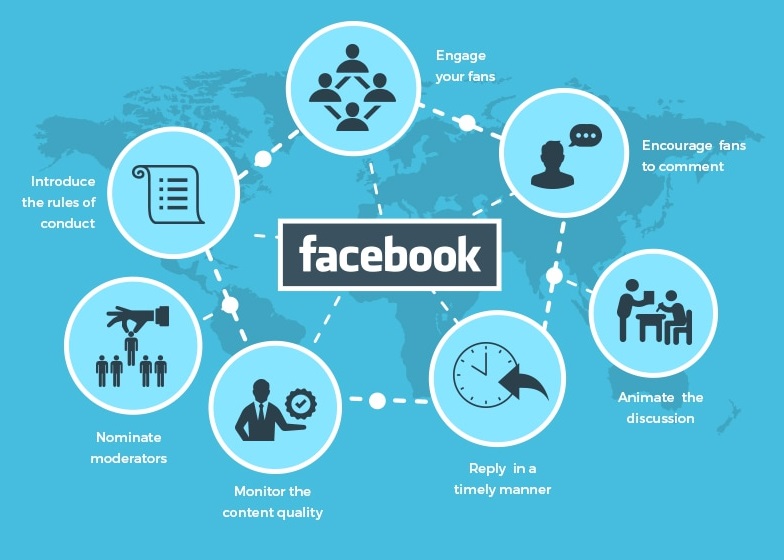
Sheryl Sandberg was hired on in 2008 and began to experiment more with commercial data and new ways to collect personal data. Third party companies buy out data about the consumer and collect data from the rest of our lives. Facebook profiles us like a surveillance machine and a tool for advertisers. Initially, Facebook did not make it clear to consumers the extent of personal data that was shared. Essentially anyone could gain access. Facebook then settled with the FDC. At the time, Senior Executives were not concerned about vulnerabilities; they were concerned about revenue and growth. Zuckerberg continued to view Facebook as not part of the problem, but part of the solution. Facebook and social media have revolutionized branding and online marketing. If you want people to know who you are and put up a profile picture and start posting. This becomes part of the identity that you show to the world. The culture of Likes, Follows, Friends, and Retweets are what sells and in the world of social media, the more Likes you have the wealthier you are. Money isn’t the only currency though. Fame is a common goal with perks like advertisement deals with companies and free merchandise from corporate sponsors.

In the documentary, Generation Like, they interviewed a girl named Kailey who is The Hunger Games top fan. She is considered the top fan because she retweets, generating a buzz about the movie and encourages more revenue. Since Kailey is a top fan she can speak directly to the actors and actresses which gets her noticed by her peers and more likes and retweets. This acts as a source of empowerment, which is a term used by a lot of younger kids when referring to social media. Kailey will work for likes and as a consumer is doing the work of the Marketer, promoting content between tv and social media. There is a comparison to the Hunger Games – that the Game of Likes is like being out there alone trying to live and survive. Kids end up taking the very marketing techniques that are used on them and use them on others. These marketing agencies like TVGLA, a social media marketing agency examine their audience to see how we are using social media. Using this data, they then determine how to use the audience to sell the product. Their motive is to seem open and transparent, creating openness and trust and employing engagement strategies. In the documentary, Generation Like, the marketing strategy is compared to creating a small brush fire, using tidbits as fuel and keeping the flames burning. Part of the marketing campaign itself involves “Likes” and every bit of the information is being manipulated.
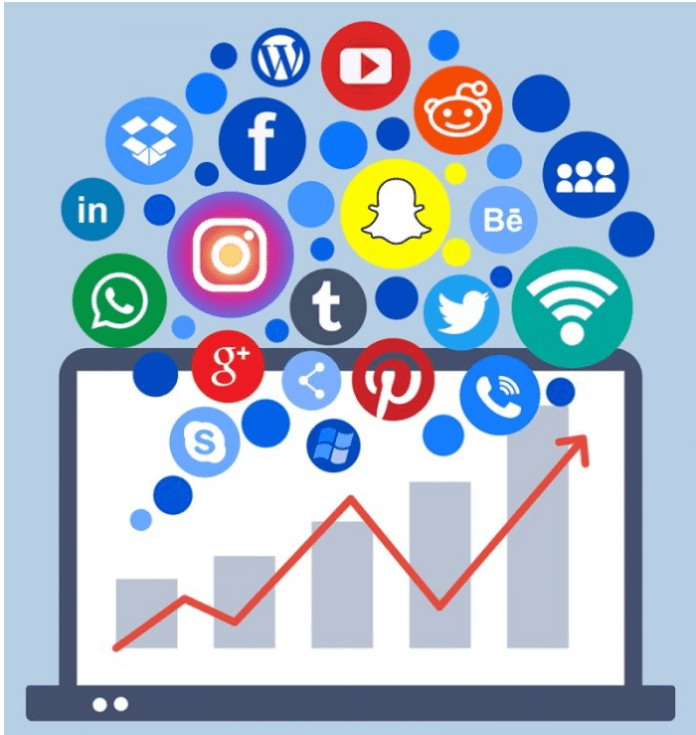
Question: Do you feel like kids are being manipulated? Do YOU feel manipulated or do you feel that Likes are empowering?
Works Cited:
PBS Frontline, Generation Like https://www.pbs.org/wgbh/frontline/film/generation-like/
PBS Frontline, The Facebook Dilemma, Part I https://www.pbs.org/video/the-facebook-dilemma-part-one-s43cuc/
 Mass Media and American Life
I think that we ARE all being manipulated to some degree–and I think that we all need to make the individual choice about whether that is okay or not. Is it worth is to be able to connect with friends and follow people and pages that are interesting to us in exchange for knowing that the algorithms are going to try and guide us a certain way? It’s a tough question, but I think that it starts with the realization that manipulation in social media is something that is happening.
LikeLike
I definitely think kids are being manipulated by social media. Almost everything on social media is manipulated. It is either manipulated by the producer of the media themselves, or it is manipulated by the platform. Everything that is being shown to you is a result of a calculated algorithm to keep us addicted to social media. I however do not feel influenced, manipulated or empowered by social media because I do not really use it.
LikeLike