

I remember babysitting for this one little girl a few years ago. She was only about two, but when I went over to her house, she had her own iPad/tablet device. It was crazy to me because I did not even have an iPad, and this kid was only two! How did she already know how to get online and look things up? The internet has become a vital aspect of our society, especially now with many kids doing at least half of all their classes through Zoom. All of this week’s screenings talk about various aspects of the internet and present thought-provoking questions on this thing that we have all become so dependent on.

The PBS documentary, Digital Nation, although made about ten years ago, is insightful to today’s interactions with the internet. The whole documentary begins with Rachel Dretzin telling a story about when she realized the internet had engulfed her family. She says, “We’re all in the same house, but we’re also in other worlds.” Digital Nation goes on to look at colleges and students and how schools are going about in their use of technology. The growth of technology, also known as the technology curve, is amazing, but the documentary also presents warnings about this fast growth. Todd Oppenheimer says, “My concern with this digital media is that it’s such short attention span stuff that they get bored. It’s what I call instant-gratification education…all this bifurcates the brain…(and)keeps it from pursuing one linear thought.”
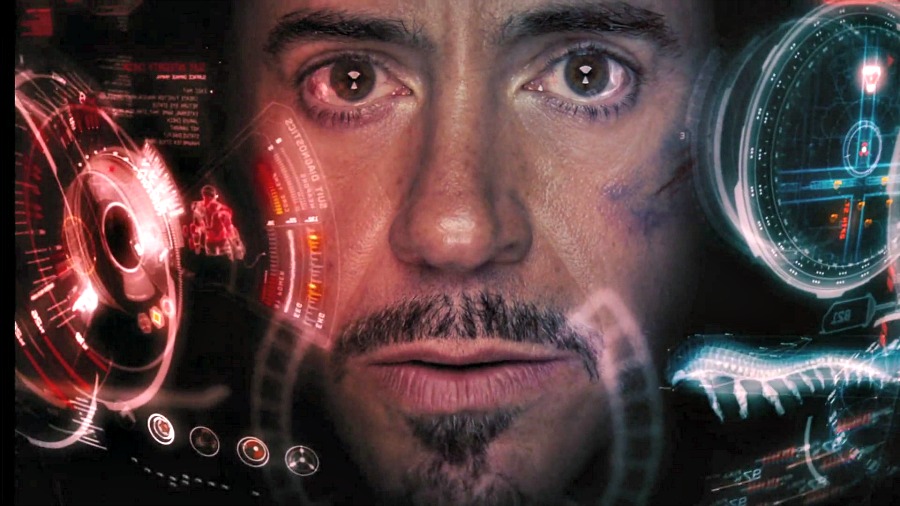
The increase of the use of technology will only continue to grow, and the technology curve shows it. All of the technology shown in Digital Nation seemed elementary compared to what everyone uses today. For example, Understanding Media and Culture talks about how email has been around since the start of the internet (446-447). While email is still used all the time, it is the norm. It is not exciting like it was back in the early 1970s. We have come so much further than email. One talk that we watched in class used the example of Tony Stark and Jarvis, saying that pretty soon, everyone will have their own artificial intelligence. The way that technology has exploded, it does not seem far off.

Of course the introduction of all this technology and social media especially, is bound to cause some problems. In the Ted Talk, “The Price of a ‘Clean’ Internet,” Hans Block and Moritz Riesewieck bring up the controversial topic of content moderators. Content moderators click through various questionable media and decide if it should be released to be seen or not. The problem is that while they “clean up” the internet, they are suffering consequences to their own minds for taking in all that garbage. The other question is, should not the individuals themselves or their parents decide what is okay to see online? It is a tough question the internet has brought us to wrestle with.

At the end of the day, one can see that the internet has both helped us and harmed us in ways. The question is, do the damages of the internet and new technology to our brains, especially young children’s brains, out-way the benefits? How should we learn to positively interact with the internet, virtual worlds, and social media, and still make strong connections to people in the physical world? Does one need to have real friends when they have virtual ones?
 Mass Media and American Life
The author did a good job of summarizing this week’s reading and videos on this very broad and unruly topic. The authors concerns about young children and the internet is important and I agree, must be addressed.
LikeLike
I do believe the negatives do truly outweigh the positives. People are turning into glued to their phones and are losing important qualities a human should have. A lot of my guy friends suck at talking to a woman in person or approaching a woman because they just want to get their Snapchat or something. Guys have become cowards when it comes to talking to girls and I fully blame social media.
LikeLike