
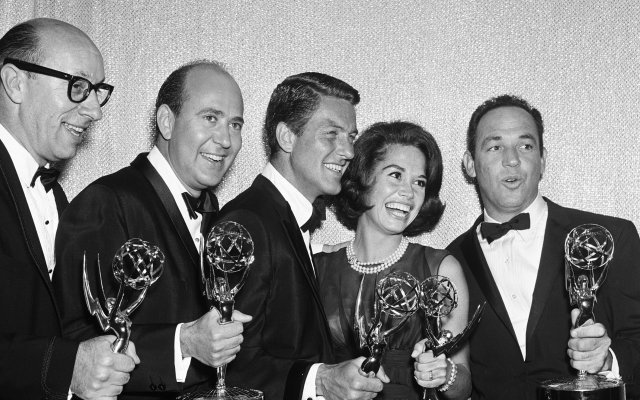
From the beginning of television when there were only five stations, to now with literally a million shows available through streaming, television has come a long way. At first, people did not know how the best way to use the medium was, but gradually people started seeing television as a way to connect with people and even change the culture. This week’s screening, Pioneers of Television, episode, Funny Ladies, demonstrates through the lives of women like Lucille Ball, star of I Love Lucy and Mary Tyler Moore, co-star in the Dick Van Dyke Show, how far even the portrayal and abilities of women through TV have come. Our other screening, the episode, Hush, from Buffy the Vampire Slayer, along with a reading called “Buffy The Vampire Slayer—Using a Popular Culture Postmodern Text in the Classroom,” help to further show how television has grown to be a respected form of art and even an educational tool.
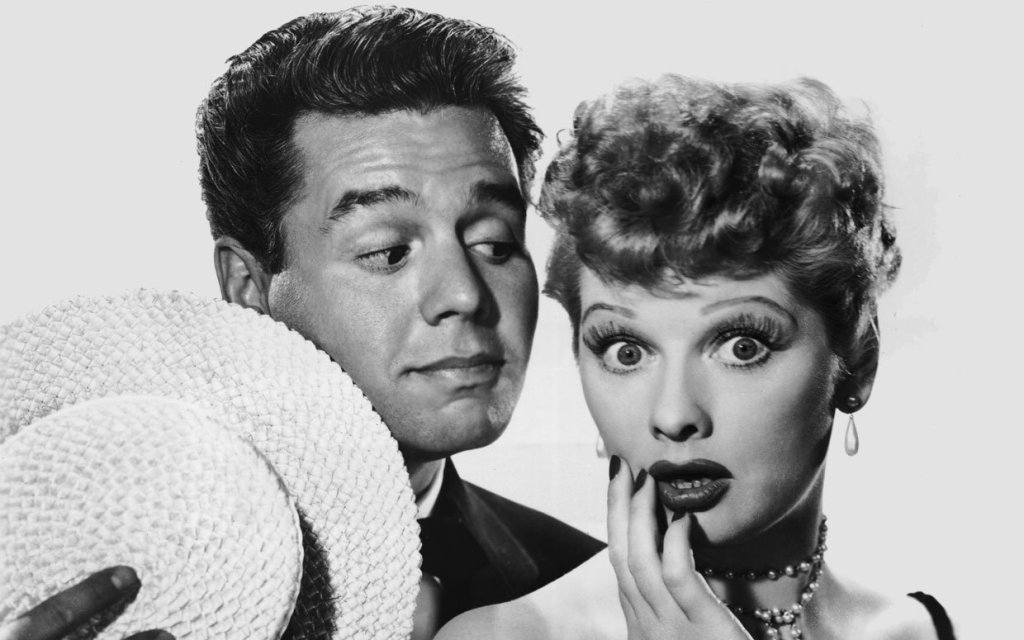
“Funny Ladies” tells about the careers of several different female comedians and how they rose to fame. Up until the 1950s, there were not that many female comedians on television, or if a woman was a comedian, it was expected that she would have to be unattractive. The documentary says that Lucille Ball came up against this stereotype. Not only was she hilarious, but she was also gorgeous and confident in her physical appearance. Lucille also showed everyone else up because, “she was all in on every bit.” Mary Tyler Moore was also an influencer and role model for women. She portrayed through her acting and shows that a woman could be strong, and that being a mother was one of the most important things a woman could do. It was really a breakthrough in television for women, and not only that, but they were able to help change people’s stereotypes about women in the area of television.
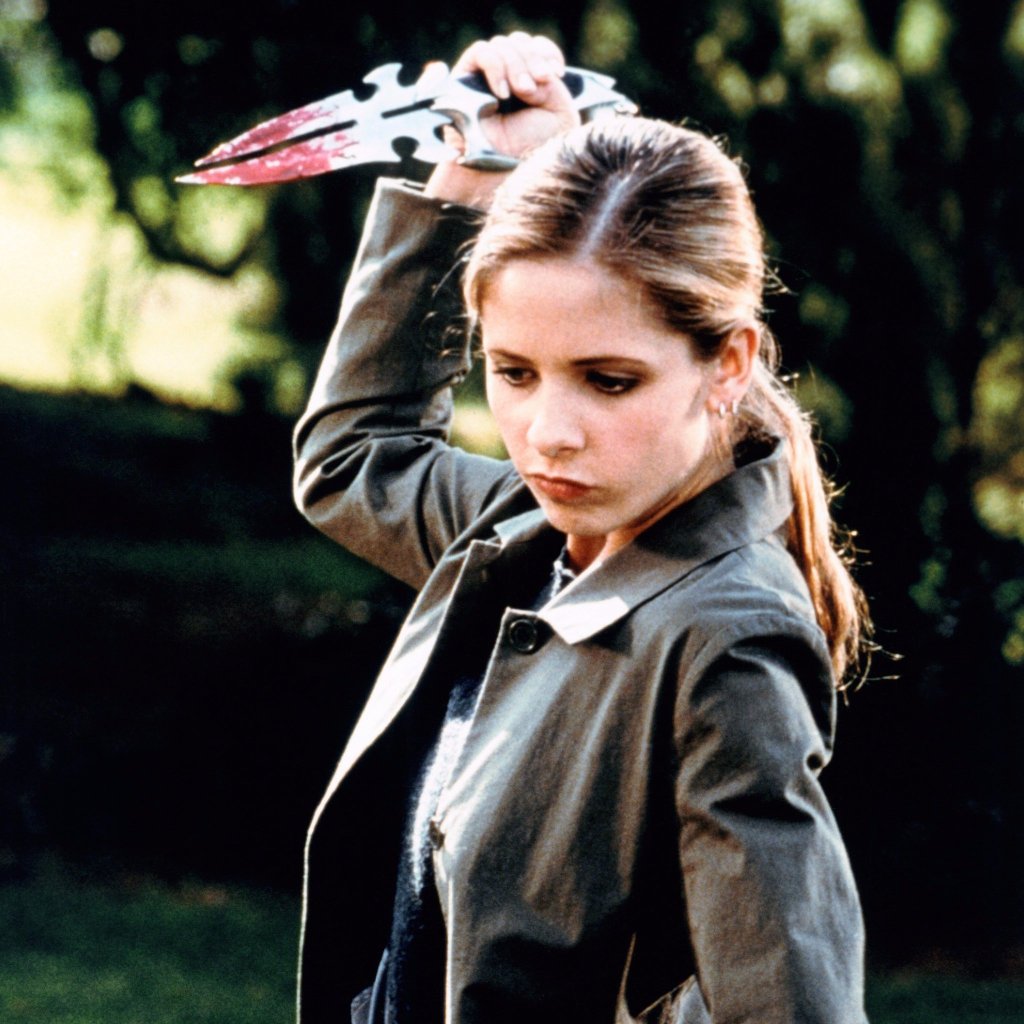
Television went on further to impact the culture, eventually leading to various television shows being used as ways to teach students about social issues and ways that people act and communicate. “Buffy The Vampire Slayer—Using a Popular Culture Postmodern Text in the Classroom,” presents the case for using postmodern television shows as teaching tools. It says that “Through the postmodern popular culture television show as text, we are able to tap into these discourses and inevitably open doors for discussion that are likely to unravel a whole new level of thinking in the minds of those we teach.” The episode, Hush, from Buffy the Vampire Slayer, especially enforces this idea because it does such a good job of showing how people can communicate without talking. At the beginning of the episode, characters are bumbling with their words and are not communicating well, but when their voices are taken away and they are forced to communicate nonverbally, they actually communicate more effectively. Other postmodern TV shows also do a great job of providing teaching examples.

From the days of television of old, to Rod Sterling’s groundbreaking morality tales of the Twilight Zone, to the postmodern shows of the early 2000s like Buffy the Vampire Slayer, to now with the Game of Thrones saga and many more, the world has gone on a ride through the land of television. The question is: Is the ride over? Will television have any more drastic changes or is this it? We have just begun to use television as an educational tool, but how much more developed will that tool be? Will we ever be able to truly tap into all that television is and could be?
 Mass Media and American Life
I liked how you showed the changes and advancements of TV by examples. Twilight zone to Game of Thrones was a great example. Black and white to color, you can really see how much TV has evolved.
LikeLike