
Since the beginning of television, modern entertainment was seen as an all-men world as most men held many positions of directors, anchors, actors, producers, etc. Until the 1960s, when television began to broadcast real-world events and the tragic death of John F. Kennedy, the world sought escapism on tv. During the late 60s, shows began to pop up, such as I Dream of Jeannie and Bewitched. “Both shows typified the situation comedy, or sitcom, a comedy genre featuring a recurring cast of characters who resolve zany situations based on their everyday lives.” (Understanding Media and culture)
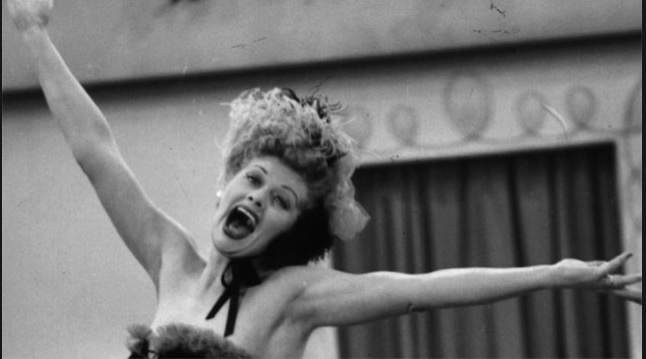
Consequently, with the surfacing of comedy shows, it also opened the door to women become wildly prevalent in newer programming. This week’s viewing, we start off looking into the Pioneers of Television: Funny Ladies, where these women broke through the double standards that women couldn’t be beautiful and funny at the same time.

In this 50 minutes episode, viewers receive a glimpse of the pioneers who were the real daredevil that paved the way for future television comedians such as Tiffany Haddish, Mindy Kaling, Sarah Michelle Gellar, and many more to run today. This episode follows Joan Rivers, the late Phyllis Diller, Lucille BBall’s Mary Tyler Moore, Betty White, Maria Gibbs, and Carol Burnett. They all earned their path as the “funny girl” as they found their space as tv comedians. Interestingly, finding a space where women never existed. Comedy is a relatable form of expression. Comedians open up about most of their lives as they make jokes that many individuals will most likely relate too. Many of the women in the episode spoke about various producers having no hope in women comedians. It was thought to be taboo and extreme for women to joke about pregnancy, personal life, etc.
Nevertheless, because of these women forcing and creating their own spaces as the “funny girl,” they also exceeded viewership rating and became household names.
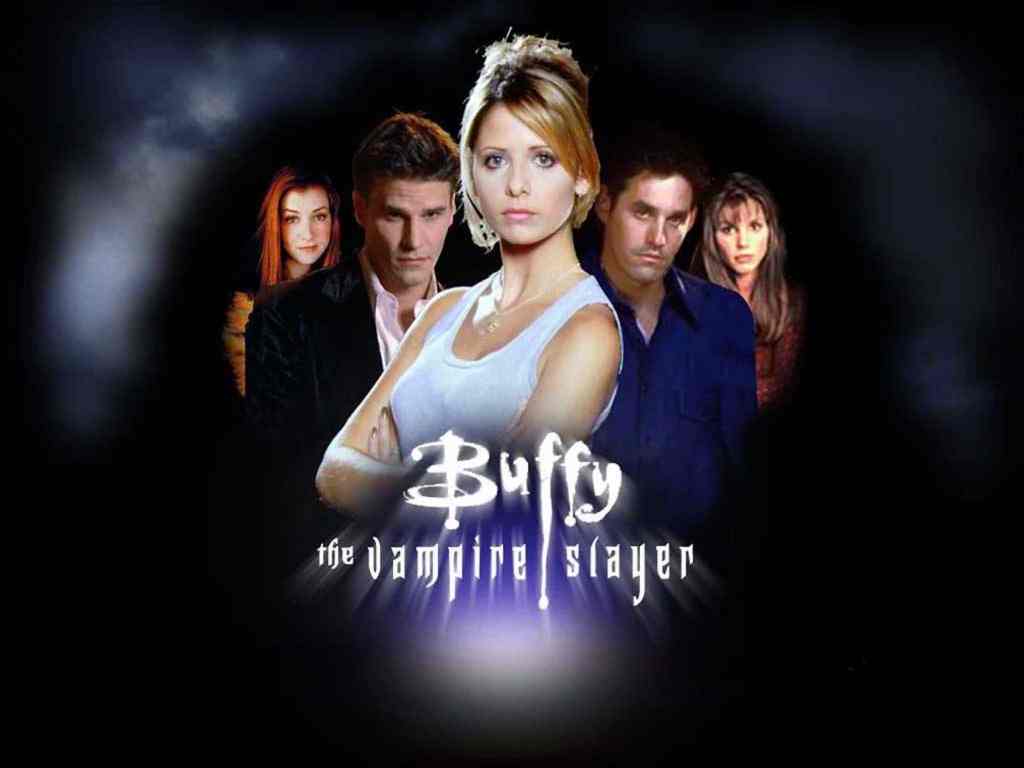
More recent shows, such as ” Buffy the Vampire Slayer,” starred Sarah Michelle Gellar and premiered its first episode in 1997 on The WB network. Making itself another show that had a leading actress that is a woman with layers. Layers consist of a variety of emotions, genres, and especially comedic aspects. Our second screen was on the episode Hush, which asked the question…
What is effective communication?
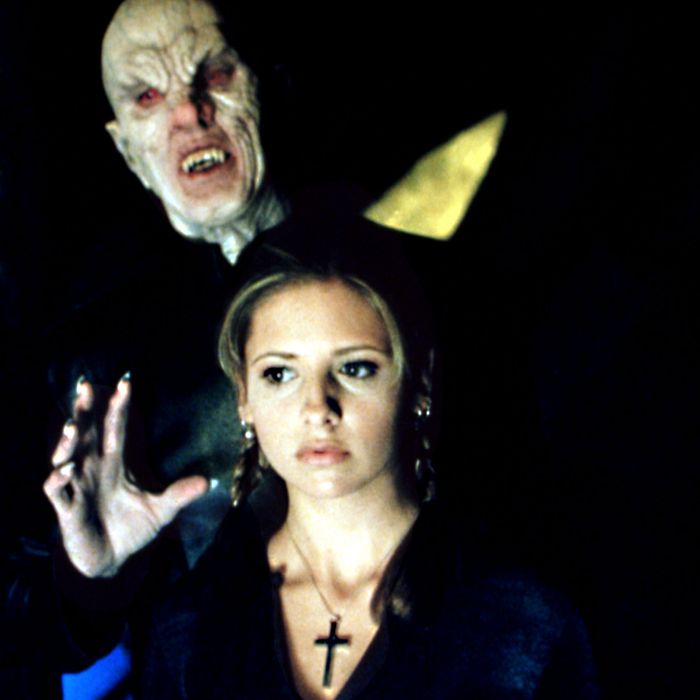
At the beginning of the act, Buffy and her friends enter a room, and no one is listening. Talking over one another, complicating, becoming frustrated, and as we see, everyone’s emotions are becoming frustrated and irritable. A strange disfigured monster appears and casts a spell on the entire town, which causes everyone to loses their voice. With the new challenge of no one having their voice, Buffy and the team must find an effective way to communicate and defeat this villain.
Besides the fact that Buffy is an actress that came after an ancestor of past “funny girls,” this episode provides a clear shift of how cinematic shows have become in the past decades.
Buffy the Vampire Slayer: Hush is a “silent show,” which uses scores to enhance the emotions and questions each character may express. They provide actors with an opportunity to go outside their physical lines and experiment with effective communication with the cast and viewers. Watching Pioneers of Television and Buffy, The Vampire Slayer gave a beautiful glimpse of how far television has come among the years.

Question: Other than the “funny girl,” what are other spaces women have conquered, and how may that relate to you?
 Mass Media and American Life