
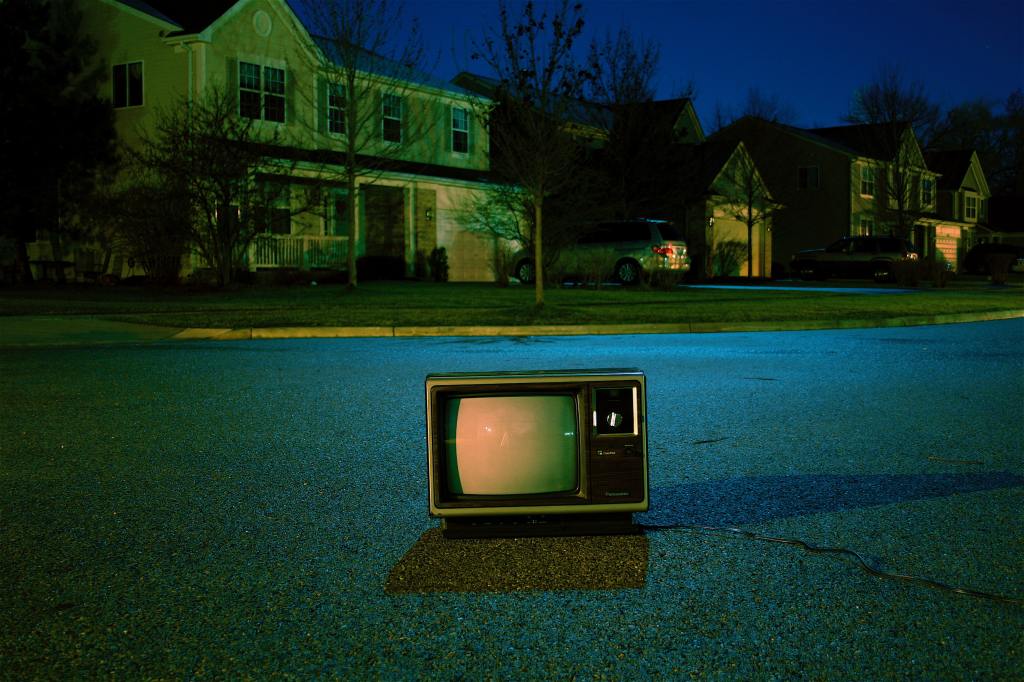
Television has always been a form of media that amazed me. Like any new technology, the birth of television brought along a new wave of entertainment. Around the mid-1980s, three major networks, known as ABC, NBC, and CBS, began to dominate the airways. Providing news, shows, and advertisement, which many other systems wanted to get on. Cable television’s popularity in families created more opportunities for creators and business owners to find another gateway in family homes and pockets. Later down the line, new stations began to pop up, such as Cable News Network (CNN), Music Television( MTV), Sports Programming Network (ESPN), and Black Entertainment Television (BET).
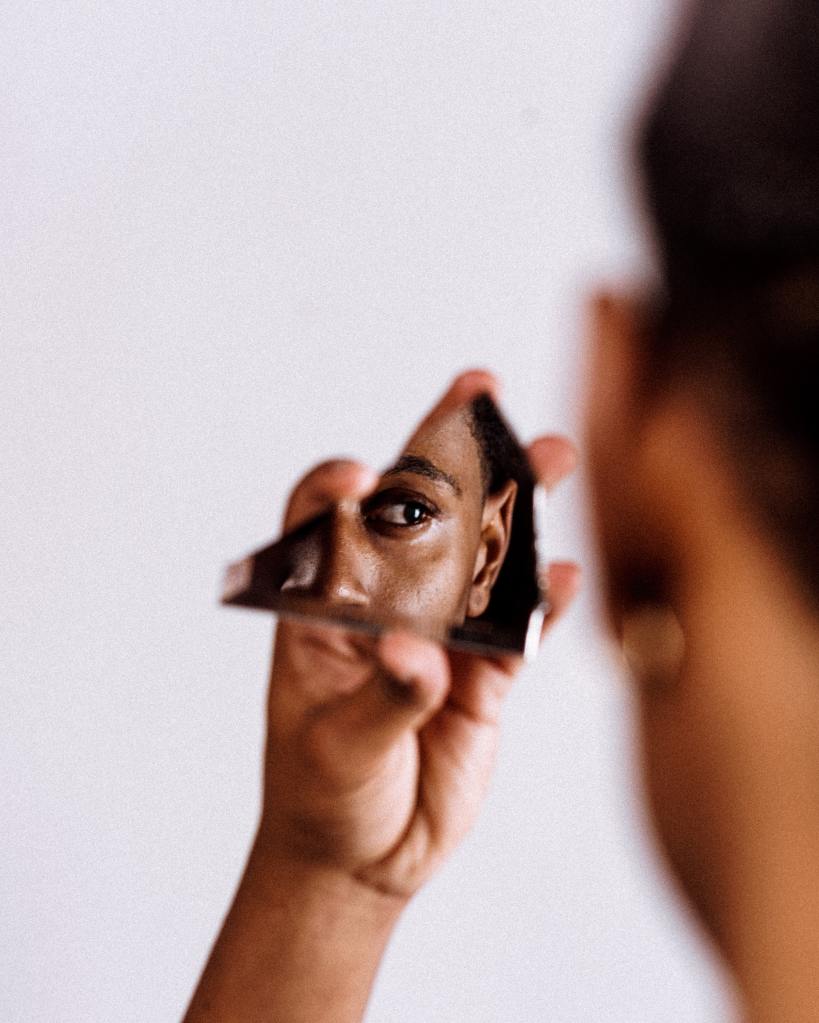
As we see today, television has an enormous influence on the culture. Specifically, BET being a black network is dedicated to highlighting the interests of African American viewers. Growing up, BET has been a station I looked at as a mirror. At the same time, BET gave me a glimpse into a world of people that looked just like me and had cultural similarities. While highlighting black music, culture, entertainment, and stars, BET was, for many Black entertainers, their first step into this field.
Despite the lack of diversity in this market, television became more informative than radio and newspapers. Viewers obtain footage of controversial events and “intense human experiences” that other media forms couldn’t reach. Watching and hearing these events live gave the viewers more empathy and a worldly realization. While many of us are in the safety of our homes, others are fighting wars, in riots, or flying to the moon. As viewers can now visualize a world of that incident happening and being a character within it.

“During the coverage of the civil rights movement, for example, footage of a 1963 attack on civil rights protesters in Birmingham, Alabama, showed police blasting African American demonstrators—many of them children—with fire hoses”.
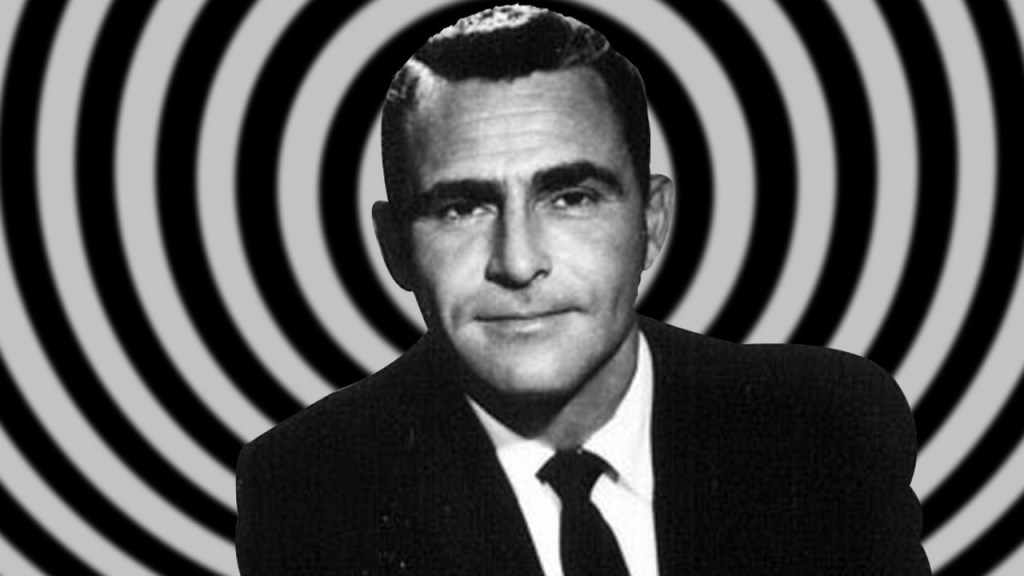
In this week’s screening of Rod Serling: Submitted for your Approval, viewers saw the impact television had on specifically Rob Serling’s life. With interviews of colleagues, friends, and family, this piece gave a timestamp while embracing Rob Serling’s work in his field.
During his time alive, Serling became what many may call an overnight success. In the creation of Patterns, he questioned humanity’s morals. Asking touchy questions such as, what does someone do if they have dedicated their life as a boxer, and today or tomorrow, a fierce fight stops their whole career? A fighter cannot merely return to society because he’s a household name, so what’s next? While his questions picked the viewer’s brains, these questions often went unanswered, and like that, Patterns was a hit. Breaking through, Serling grew to become a household name and continued his work in television. Finally, creating The Twilight Zone, which had the same theme of look society in the face. In the end, The Twilight Zone culturally influenced the culture of television as we began to look at the world with a wide lens to obtain a deeper meaning.
My question to the reader, is ” how has television influence your culture?”
 Mass Media and American Life
The evolution of television has had a massive impact on our culture today. I feel that television helps people interact with others, about things happening on television, it gives people a bond to talk about. I also feel televisions helps young children develop skills and values about our world.
LikeLike
Television from a very young age has reminded me that there is a larger world than what I see everyday. It has also allowed me the freedom to explore other worlds and understand the human experience better. I have always enjoyed watching documentaries, National Geographic, sci-fi food and culture shoes. Even comedy sketches and news have helped me catch a glimpse into other cultures and ways of living. Recognizing that these aren’t a substitution for getting to know someone, I think that television has sometimes satisfied my curiosity. The Twilight Zone touched on such a wide scope of topics – I feel it may be a timeless series.
LikeLike
I love your analogy of watching BET as looking into a mirror, seeing specific events and challenges pertaining to African Americans and being able to relate. Television has impacted my culture by watching local news stations in the Chicago area. Growing up the ABC-7 News would just be on Sunday morning re-iterating events that happened in the area over the weekend- bad or good which was helpful in staying informed as a community member.
LikeLike