
In the middle of the 19th century, the telegraph was the popular way of communicating. The telegraph is connected by cables, the united states and England was using this technology. The telegraph helped to develop the telephone which could transmit single voices over the same cable. Hienrich Hertz started to experiment early forms of wireless communication, but Guglielmo Marconi successfully sent broadcasted. Marconi lived in Italy in his young years, he went to the Italian government to get support of his success. Sadly, he was denied so he moved to England and made his device better. He used other people ideas and experiments to make this into a communication tool even better. Marconi thought his device would allow the telegraph to function without being connected by cables.
In the early 1800’s the common people would rely on telephones to transmits news, music, church sermons, and weather reports. In Hungary, the people were able to listen to the news and fictional stories on their telephones. In 1909, the telephones could transmit entertainment performances from Pairs to London. This technology appeared in the United States as a pay per play phonograph service in Delaware, people could listen to specific music on their phones. By the 1906, Regianalod Fessenden started the first radio od the human voice but ended up failing. Ten years later Lee de Forest was successful, he used the radio was a more modern idea. Forest would give nightly broadcastings of music and news until World War I. The government could calculate the required licenses and limited broadcasting ranges for the radio. This gave the president the power to shut down all stations. In 1917, the United States began in World War I, the radio was used in the military. The land stations and ships could communicate with each other. After the World War I radio stations started to appear, they would broadcast religious sermons, sports, and the news. By the 1922, WGY station was broadcasting 40 dramas then they started to create their own performance in live.
When I think of advertising, I think of nagging ads. Back in the day advertising was considered “genteel sales message broadcast during business hours” they would not talk about price. Which is CRAZY! My whole life the advertising was heavy. Your phones are listening to you so if you talk about getting fridge a big chance it would be an ad in Facebook, watching tv the commercials there’s ads “if you get this product you will get one for half off or for free with free shipping”. I never see an advertising without talking/ showing the price. In the 1930’s advertising agencies started their own radio programs; they would run ads during the day as an economic pressure during the Great Depression.
The radio stations started to play a lot of music formats for different age range such as country, News/talk/information, adult contemporary, pop contemporary hit, classic rock, urban contemporary, and Mexican regional. The country was the most popular format of music for both males and females. News/talk/information was focused on network new, sports, and personal talks, around 59 million listeners in 2010 the age range is about 65 and older. Adult contemporary focused on pop music such as hot AC and modern AC the individuals that listen to this format is over 30 years old. Pop contemporary hit is a wide span of music such as country, rock, and urban the listeners are around teenager to under 35-year-old. Classic rock would play a range of rock singles to 1970’s from 1980’s, the listeners are mostly men around ages 35 to 54. Urban contemporary is modern hits from mostly black artists and people would listen to this between ages 18 to 34. Mexican Regional focus on Spanish language music 96% of Hispanics would listen to this format. Something that is very interesting is that the Western and Southwestern regions of the country this music was popular, but the Eastern regions were less popular.
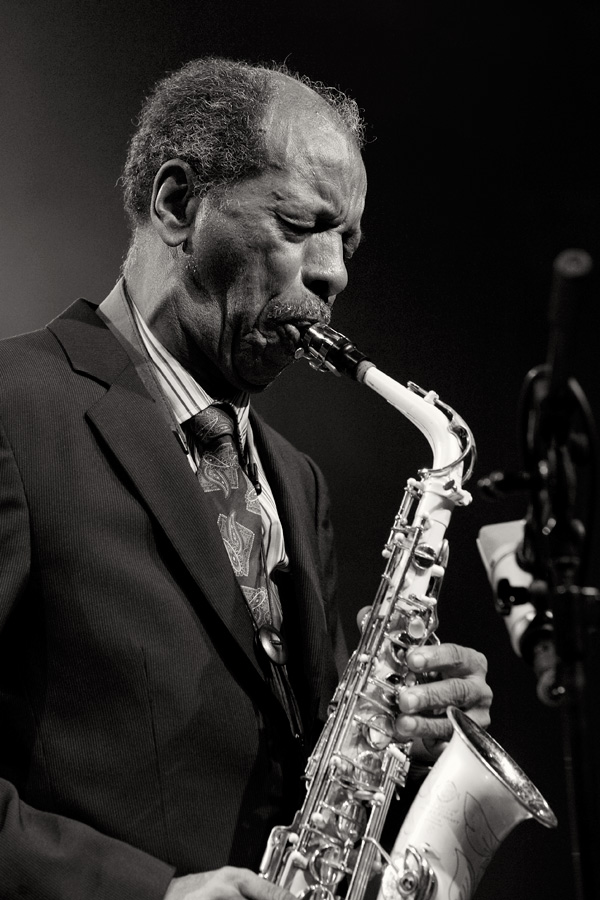
In 1877, Thomas Edison realized that sound could be created by using tinfoil stings that were wrapped around a rotating metal cylinder this was called phonograph gave an insight for Emile Berliner’s gramophone. The Gramophone is a flat disc that record sound, these were more affordable and simpler to produce than the phonograph. The gramophone was a huge impact of the popular music industry, the middle class was able to afford this technology. Jazz appeared and became popular in the 1930’s, jazz goes all the way back to slavery times. Slaves would do their cake walks to mimic the slave owners.
When I think of music I think of digital music. Everything before digital music it is a thing in the past even CD’s. News cars do not even have a CD player in them, our society pushes us have smartphones and having music on our phones. Either paying for albums or having them downloaded, subscribing to a music app, or YouTube. Businesses are greatly affected; most people do not bother having older technology of music, so businesses are not getting enough sells to be able to afford rent or bills. The video called downloaded supports my claim when technology evolved no one would not predict how much it changed society to the point where the older versions of music pretty much go extinct.
 Mass Media and American Life