
The culture of music has always been a form of expression that I believe has been the world’s official language. Music has entwined cultures while creating long-lasting emotions that no other genre or area can duplicate. Listening to music today from a different era can make the same or almost very similar feeling with an individual from that specific era. Because of the immense relevance music has on society, it has always been a topic for future generations to make some of our favorite songs more accessible.
During the 1920s through the 1960s, the radio went through a golden age with a flourished possibility of music and air content through United states homes. Stated “During this time, the number of licensed radio stations in the United States exploded from five in 1921 to over 600 by 1925 (Salmon, 2010).” (218) This new technology opens a world of creativity that modern visionaries used to improve this tool to become better. Airwaves became a form of entertainment in many homes as families began to gather around for new songs, shows, and commercials that many many have never had before.
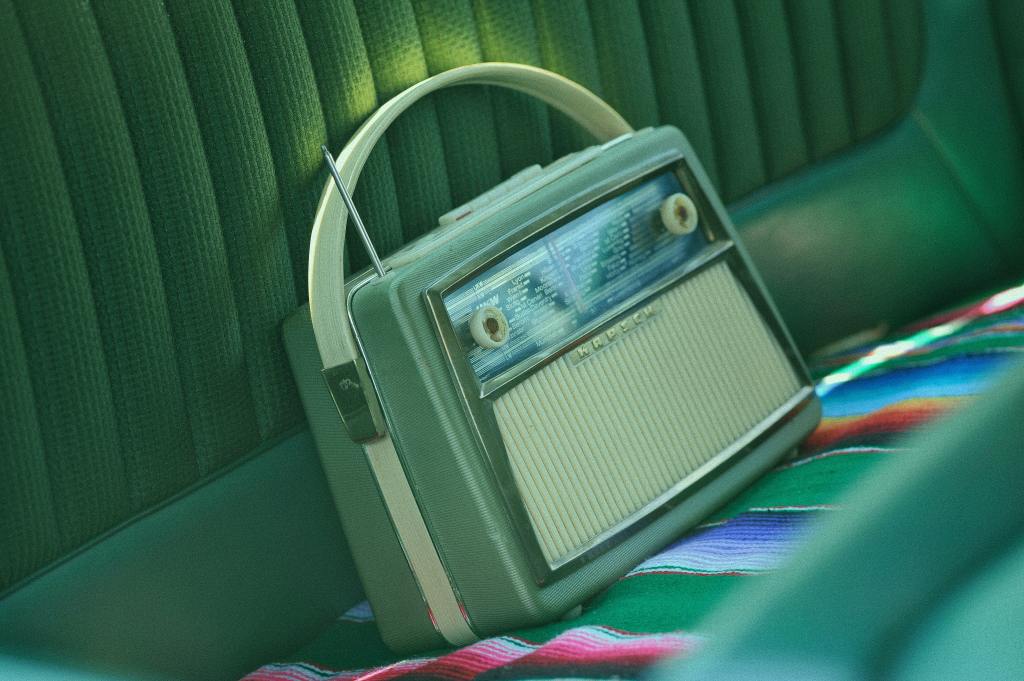
“The introduction of radio broadcasting provided a valuable link between urban city centers and small, rural towns. Able to transmit music nationwide, rural radio stations broadcasted local music genres that soon gained popularity across the country.” (218)
Once radios became the new normal, innovators shortly after became fascinated with recording music. Recording music allowed for content to be shared throughout worldwide clubs, people, etc. This freedom of music could reach such a broader audience. Popular albums now had an opportunity to be from a different area. And be bought from the recorded store right around the corner, thus increasing traction and sparking albums sales worldwide. While this also adds to the music industry’s value and improved revenue for the creators, producers, and distributors. Unfortunately, something was coming right around the corner to turn the table around.
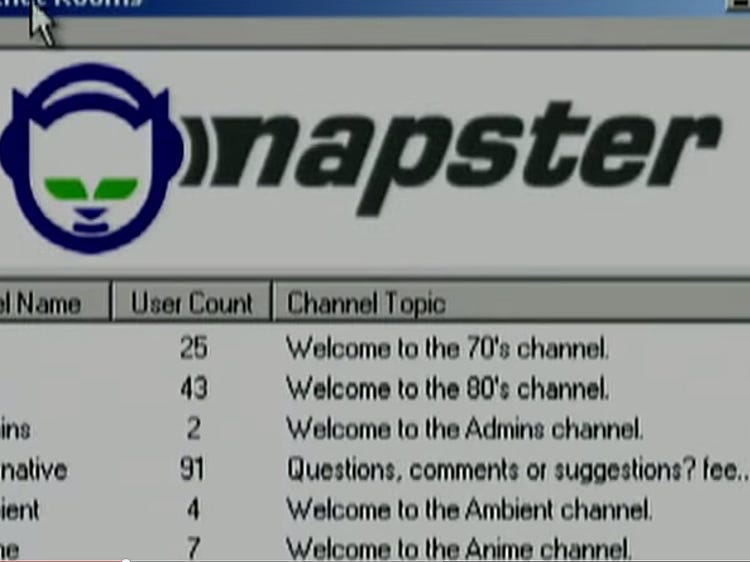
With all the changes happening in the music industry and their monopolization of the creator’s work and revenue, the internet began to level that playing field. Viewed in the screening “Downloaded: Napster documentary,” the internet before Napster was an avenue to stream music but wasn’t as effective. The internet had long loading times and unwired phone lines as there was not director connection between a server to download music and the IP computer. However, The internet with such potential sparked a light in Napster, Shawn Fanning, as he looked at this new technology as a vehicle to allow for downloadable music. In his efforts to make recorders and CDs go out of style, Napster opened a new window downloading and stream music. Napster allowed people to find, search, and download their favorite songs without the hassle of purchasing an entire album or paying the overhead cost of the music industry. Downloading music became the newest form of obtaining music, and there was no way the world was going back.

Personally, the history of music and its changes as technology continues to evolve is sentimental to how I view music today. My family comprises of producers who used tapes, cassettes, vinyl, and digital music to Dj. Because of that, I understood the importance and culture shock Napster has on the Music world. As producers were affected by the available albums, Djs has an easier time collecting and performing their sets. Today, I find the evolution of music something that was going to happen in due time.
Question: How has the streaming of music digitally affect new creators?
 Mass Media and American Life
It’s great how you gave some background history of music. To answer your question, new creators are going to have a hard time to become known. You got to know the right people to be able to being known so fast. With CDs or other forms of disc, people would be more aware of all different artists.
LikeLike
I enjoyed reading on the background and history of music. To answer the question on feel like the streaming of music digitally has helped new creators. Some people don’t have a way to get in contact with those who could help them produce. Now that things are digital it allows viral things to get around so many can see
LikeLike