

Piracy in the music industry has been a reoccurring problem in the during the last fifty years.
Piracy in the music industry has been happening for a long time. It didn’t just begin with Napster, it has been happening in the form of cultural appropriation, hijacking, and copyright infringement. (ie. The sampling of an artist’s music without their permission). Napster was a game changer in the way we consume music, but if we examine how the hijacking of African American music occurred after the Great Migration, we will see that this has been a practice of the music industry for a long time. (2010, Understanding Media. CH. 6.2) The music industry giants didn’t like that it was being done to them (with respect to the musical artists).
Napster rocked the music industry in 1999 by creating a system to download songs from musicians and artists which created massive controversy and turned the music industry on its head. Napster was inevitably going to happen at some point. We saw similar algorithms like Limewire. Some people said that the business model at the time wasn’t working, and that the future of the music industry was already moving towards programs like Napster, but it needed to be regulated. Napster was instrumental in starting what would become membership based music subscriptions. They needed investors who weren’t afraid to look ahead to the future. They needed people to see where music was going – into the consumer’s hands. Napster gave people the accessibility to choose new artists and independent musicians who haven’t been able to get their music out into the mainstream. Napster had over 50 million members.
Shawn Fanning started the program Napster, a programmer and hacker started in 1998. It uses an algorithm to download music in the form of an mp3. The program spread across college campuses like wildfire. The masses were divided on whether this was piracy or simply bringing the music to the people. One thing was certain – it changed the way we consume music forever. Most of the internet was information storage and retrieval; not sharing bandwidth with one another.
Sean Parker, co-founder, “Suddenly you were connected to everyone.” This revolutionized the way we use computers- the way we interact with one another. Sean Fanning thought that every way this would be a better system: allow people to connect over music, allow independent musicians to get their music out there.
The top music industry heads were freaking out. There were a lot of pre-realeases that were being downloaded and this shook them. What will happen with record stores and the way people get their music? There was no denying that the record industry giants were behind the times. The future of the music industry was knocking. People no longer had to go to record stores to buy their music – they could just download it from their home. Technology was very beneficial to the record companies, such as CD’s and LPs. “All of a sudden technology and how music was going to be recorded went somewhere else.”
“A bomb went off. I don’t know what happened. The cat wasn’t going back in the bag.”
-Don Ienner/Chairman & Founder IMO Entertainment and Dashbid.“
Napster offered convenience, price, and choice. It put music into the consumer’s hands. The band, Metallica sued Napster. Metallica thought that the choice should be in the artist’s hands and they should have choice of whether to sell their music. Napster was ordered to remove millions of songs owned by the record labels. Jon Stewart joked, record companies fought tooth and nail over the issue. It’s the record companies that hold the patent to cheat musicians out of money.”
On October 31, 2000, Bertelsmann Media Group invested 80 million dollars in Napster to create music subscription service.
Aspiring artists no longer need to rely on expensive publicists, recording studios, or contacts within the industry; they can connect directly with fans to sell their music.

With respect to the musical artists, I have to applaud Napster for sticking it to the Big Music Industry giants. They have been cheating artists out of their profits from record sales since going back to the Great Migration.
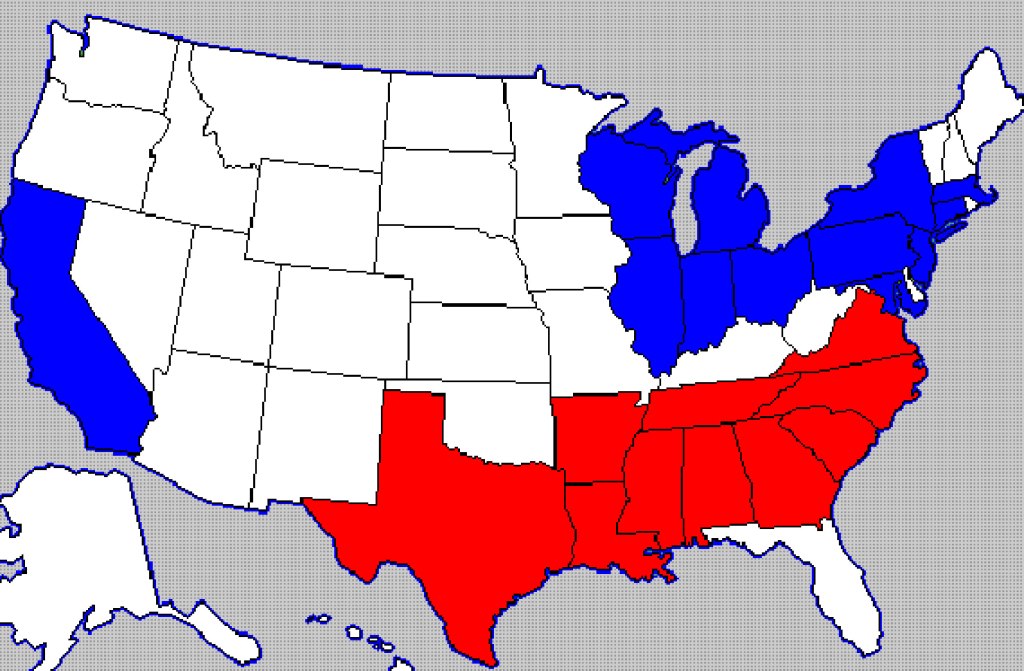
To capitalize on the public’s enthusiasm for rock and roll and to prevent the loss of further potential profits, big record companies signed White artists to cover the songs of Black artists. (2010, Understanding Media) Because Music Industry giants like RCA could widely promote, the hijacker’s hits would often outsell the original version. Many White artists and producers would also take writing credit for the songs they covered and would buy the rights to songs from Black writers without giving them royalties or songwriting credit. Independent record producer Danny Kessler of Okeh Records said,
“The odds for a black record to crack through were slim. If the black record began to happen, the chances were that a white artist would cover—and the big stations would play the white records…. There was a color line, and it wasn’t easy to cross (Szatmary).”
Piracy transpires in many forms in the record industry. From copyright infringement, to cultural appropriation and hijacking….
Napster rocked the music industry in 1999 by creating a system to download songs from musicians and artists which created massive controversy and turned the music industry on its head. Once digital music technology was introduced to the world, its domination of the music industry was almost instantaneous. For better or worse, it changed the way that we consume music.
Do you think the down-loaders were stealing music?
Do you think that fans and music lovers should be able to download music from their favorite artists?
“‘Summer’ is so much more than a song about the summer. ‘Summer’ is about bottling escaping nostalgia, being present, being flung into the afterthought of the future. It’s sarcastic, it’s cheeky, it kisses your forehead. ‘Summer’ sees you, remembers you, and doesn’t forget you. ‘Summer’ is what you were looking forward to that ended up letting you down but you were so fucked on it exceeding expectations you didn’t even realize it. ‘Summer’ is a person, summer is a place, summer is a thing, summer is a feeling, if it is the song of your summer.”
check her out: https://www.onestowatch.com/blog/simpson-is-ready-to-make-her-mark
Works Cited:
Downloaded, 2013
2010, Understanding Media, M Libraries Publishing
 Mass Media and American Life
Good analysis of the impact of Napster. The central point about Napster is that music was available to anyone with anyone with a computer. You didn’t need to purchase an album or a cd.
There were some interesting points about black music and rock and roll. I believe the author should have mentioned the influence of Motown and Barry Gordy who really transformed the rock industry in the 1960s. The influence of the Supremes, the Temptations and the Four Tops is not to be minimized.
LikeLiked by 1 person
This was such a informational blog to read, you really put a lot of time and work into your blog! After thinking about your first question I think that people who were downloading the music were kinda stealing the music because it was free on napster. Also I think that was the first and only way that people could share files of music with people dont know. This gave people the opportunity to meet new people over the internet, which was new to everyone and technology. Yes i do think fans and music lovers should be able to download thing music they like to listen to.
LikeLike