

From the early years of printing, books have been a form that expressed the worldly diversification of knowledge. Today, anyone can pick up a book, search something on the internet, or get an ebook to receive information. Nevertheless, after reading “Understanding Media and the Culture” and watching the film “Out-of-Print,” my views on books have changed. Acknowledging that I was born within generation z and all of the children born into this period was at the internet’s starting line. To others, I can imagine how looking, finding, and experiencing a book may seem prehistoric. This concept of having a book for knowledge may appear as a hassle as we were the guinea pig to “what’s now, and trending on the market.” While this is something societal forecasters may not have spotted, this access to information has resulted in an era of communication. Students found it more useful to make a few clicks on the web than digging research and getting a proper understanding of topics.
Before the internet, books were a form of controversy, tales, and enlightenment because these scribbles on pieces of paper can build or divide a nation. Giving readers the ability to understand ideas that someone else may have been thinking and gave hope for a society of intellectuals and like-minded individuals. Specifically, books such as “Uncle Tom’s Cabin,” written by Harriet Beecher Stowe, “helped establish the political novel as an important touchstone of American literature.” (96). Readers in the 1800s were seeking books to stay up to date and inform themselves of worldly and individual views. The influxes of knowledge trained society to think more than what was plain to their eyes.
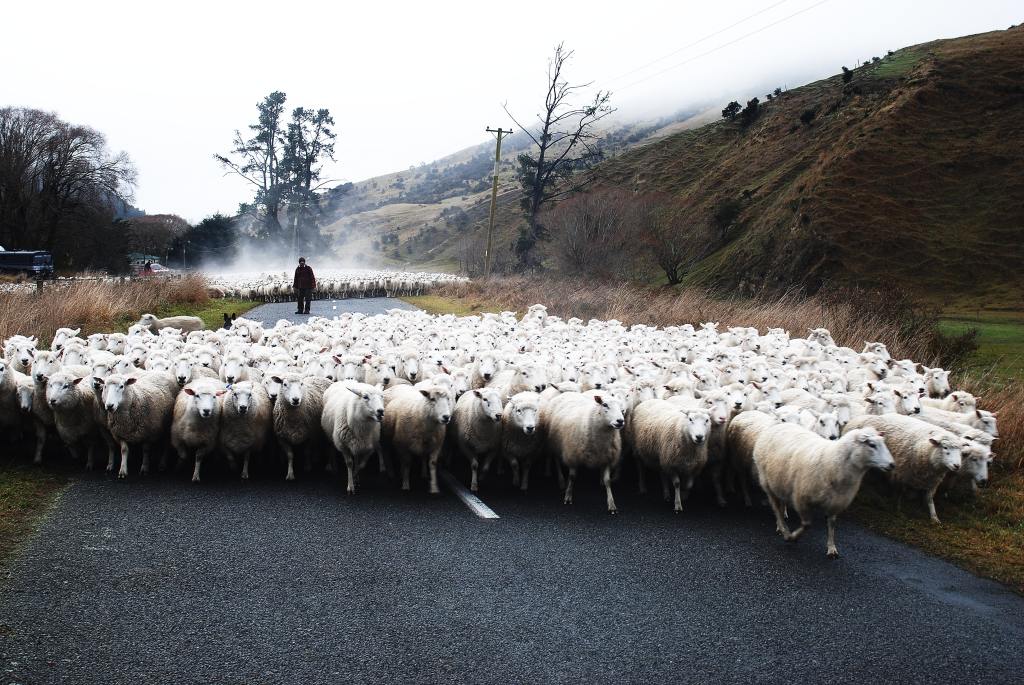
However, in today’s sense, the lack of reading and understanding more profound concepts leads to a world of mindless sheep because we outsource information.
“If you don’t have a citizenry trained to think precisely about ideas, your democracy will increasingly be one of the know-nothings. As long as people accept the illusion that they don’t have to learn to read and write well, they will essentially be locking themselves out of any opportunity to take the levers of power in this society.”
Stated by Scott Turow, Out-of-Print

This quote resonated with me as I always wonder how a society can function without rich knowledge, especially future generations. As younger students are normalized and consumed by the internet, parents and teachers had to counter this under learning by building healthy habits early. Specifically, in my household, my younger sister had to spend time not only reading what’s on the page but understanding what texts mean and how she felt post-reading. Having students find their “take away” at any point in the book, while it doesn’t compensate for the lack of worldly knowledge, gives students a more in-depth understanding. Especially now more than ever, it is essential to train students of the credibility of each clickbait, so they aren’t fooled by the overflow of information and become another sheep controlled by wolfs that actually read.
My question to the reader: For students, books may seem like the problem, while reading is; how would you glorify reading to younger students? Note any technology or form can be used.
 Mass Media and American Life